
Series: Finance for Kids
Phase 13: Resources, Environment & Society — Part 161 of 166
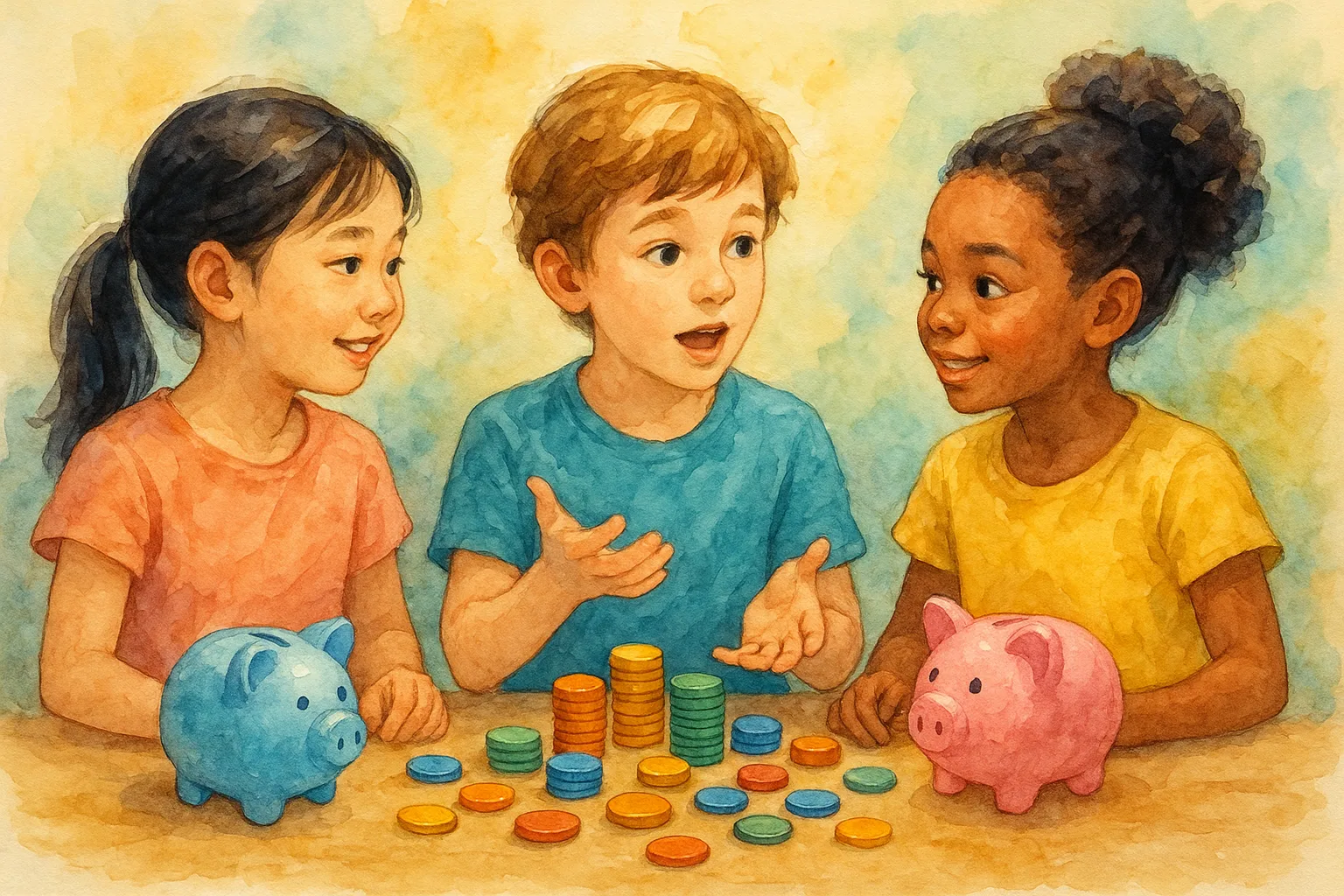
Helping Kids Build Respectful Conversations About Money
Money is a big part of our lives, but talking about it can be a bit tricky, especially for kids. They might have questions about why things cost money, how we earn it, or why some people have more than others. Teaching children how to discuss money respectfully can help them understand its value and foster good relationships with others. Here are some tips and insights to help kids engage in open and thoughtful conversations about money.
Understanding Money Basics
Before kids can talk about money, they need to grasp some basic concepts. Here are a few ideas to introduce:
- What is money? Explain that money is something we use to buy things or services. It comes in different forms, like coins, notes, and even digital currency.
- How do we earn money? Discuss different ways to earn money, such as working at a job, doing chores, or saving pocket money.
- Why do things cost money? Help them understand that prices reflect the value of items, which is influenced by what it costs to make them and how much people want them.
Encouraging Open Discussions
Encouraging kids to express their feelings and thoughts about money can be very beneficial. Here’s how you can support them:
- Create a Safe Space: Make it clear that discussing money is normal. Encourage your child to ask questions without fear of judgement.
- Use Everyday Situations: Talk about money during shopping trips or when budgeting for family activities. Ask them what they think about prices or why you choose certain items.
- Share Your Experiences: Share stories from your own life. Talk about times when you faced financial challenges or made choices about spending. This helps normalise conversations around money.
Respectful Communication Tips
To help kids express themselves respectfully when talking about money, consider these steps:
- Listen Actively: Teach children to listen when others talk about money. They should be encouraged to ask follow-up questions and show genuine interest in different perspectives.
- Use “I” Statements: Encourage kids to use “I” statements to express their feelings. For example, “I feel worried when we talk about money because I don’t understand how it works.” This approach promotes understanding rather than defensiveness.
- Practice Empathy: Discuss the importance of empathy. Encourage them to think about how others might feel about money issues. This can help them respond more thoughtfully in conversations.
- Be Respectful: Remind children that everyone has different experiences with money. Teach them to respect differing opinions and experiences rather than judging or dismissing them.
Addressing Common Myths About Money
There are many myths surrounding money that can influence how children think about it. Here are a few common ones to clarify:
- Myth 1: Money is bad. Some people may think that talking about money is rude or that wanting money makes someone greedy. Explain that money is a tool that can be used for good or bad, depending on how it’s used.
- Myth 2: You have to be rich to have fun. Help children understand that joy and fulfillment come from experiences and relationships, not just money. Encourage activities that don’t require spending, like playing games or spending time outdoors.
- Myth 3: Talking about money is taboo. Emphasise that discussing money is important. It helps us learn from each other and make better decisions. Open conversations can lead to more understanding and less anxiety about finances.
Putting It Into Practice
Here are some activities to help kids practice respectful conversations about money:
- Role-Playing: Create scenarios where your child can practice talking about money. For example, they might pretend to negotiate a price for a toy or discuss what they would do with a certain amount of money.
- Family Discussions: Set aside time for family discussions about money. Talk about budgeting for a holiday or saving for a family outing. Encourage everyone to share their views.
- Reading Together: Find books or stories that deal with money topics. Discuss the characters’ choices and how they handle financial situations.
Conclusion
Teaching kids to have respectful conversations about money is an important life skill. It helps them understand the value of money, promotes empathy, and prepares them for future financial discussions. Remember, the goal is to create open, honest dialogue about money so they feel confident and informed as they grow.
This article provides general educational information only and is not financial advice. Always seek guidance from a qualified professional for personal financial decisions.
Previous: Encouraging Kids to Teach Younger Siblings About Money
Next: Explaining Why People Have Different Levels of Wealth