
Series: Finance for Kids
Phase 13: Resources, Environment & Society — Part 160 of 166
Why Teaching Money Skills is Important
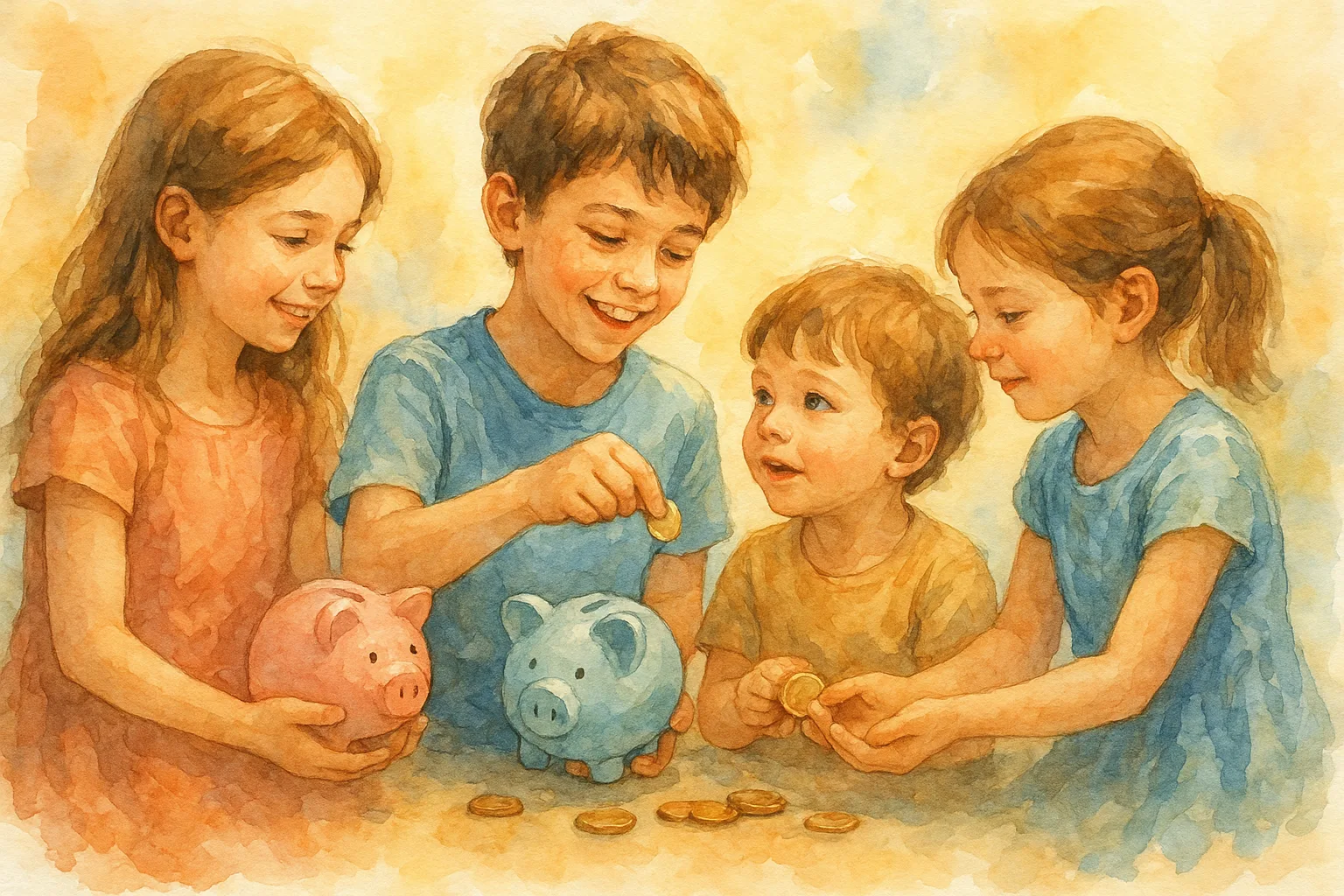
Teaching kids about money is a vital part of growing up. It helps them understand how to manage their allowance, save for things they want, and even give back to others. When older siblings teach younger ones about money, it creates a fun learning atmosphere. Plus, older kids can reinforce their own knowledge while helping their siblings.
Step-by-Step Tips for Older Kids
Here are some simple ways for older kids to help younger siblings learn about money:
1. Start with Basic Concepts
Older siblings can begin by explaining basic money concepts. They can discuss:
- What money is and why we use it.
- The difference between needs and wants.
- How earning money works, like through chores or small jobs.
Using everyday examples can make these concepts relatable. For instance, they might say, “We need money to buy food, but we want toys or games to play with.”
2. Make it Interactive
Learning about money can be fun! Here are some interactive activities:
- Play Money Games: Use play money to set up a shop at home. Older siblings can be the shopkeepers, and younger ones can be customers. This helps them understand how transactions work.
- Create a Budget: Help younger siblings plan a small budget for a fun activity, like a movie night or a small outing. Discuss how much money they have and how they want to spend it.
- Set Savings Goals: Encourage younger siblings to save for something special. Older siblings can help track the savings and celebrate when the goal is reached.
3. Share Personal Experiences
Older siblings can share stories about their own money experiences. They might talk about:
- A time they saved up for something they wanted.
- How they felt when they spent their money wisely or foolishly.
- Lessons they learned from making mistakes.
These stories can help younger siblings relate to money in a personal way, making the lessons more memorable.
4. Encourage Questions
It’s important for younger siblings to feel comfortable asking questions. Older siblings should encourage this by saying things like, “It’s okay to ask anything about money!” This openness can lead to deeper discussions about finance.
5. Set a Good Example
Older siblings can lead by example. If they manage their own money wisely, younger siblings will likely want to follow suit. This could mean:
- Saving a portion of their allowance.
- Making thoughtful choices when spending.
- Helping out with family budgeting (if appropriate).
Myths About Teaching Money Skills
When it comes to teaching kids about money, there are some common myths that might hold people back:
- Myth 1: It’s too complicated for kids to understand. Truth: Kids can grasp basic concepts easily if explained simply.
- Myth 2: Only adults should handle money matters. Truth: Kids learn best through practice and participation.
- Myth 3: Teaching kids about money will make them materialistic. Truth: Learning about money can help kids appreciate what they have and understand the value of saving.
Conclusion
Encouraging older siblings to teach younger ones about money is a wonderful way for them to bond and learn together. By using fun activities and sharing personal experiences, they can create a positive learning environment. Remember, the goal is to make money management enjoyable and engaging!
This article provides general educational information only and is not financial advice. Always seek guidance from a qualified professional for personal financial decisions.
Previous: Using Family Stories to Teach Money Lessons
Next: Helping Kids Build Respectful Conversations About Money