
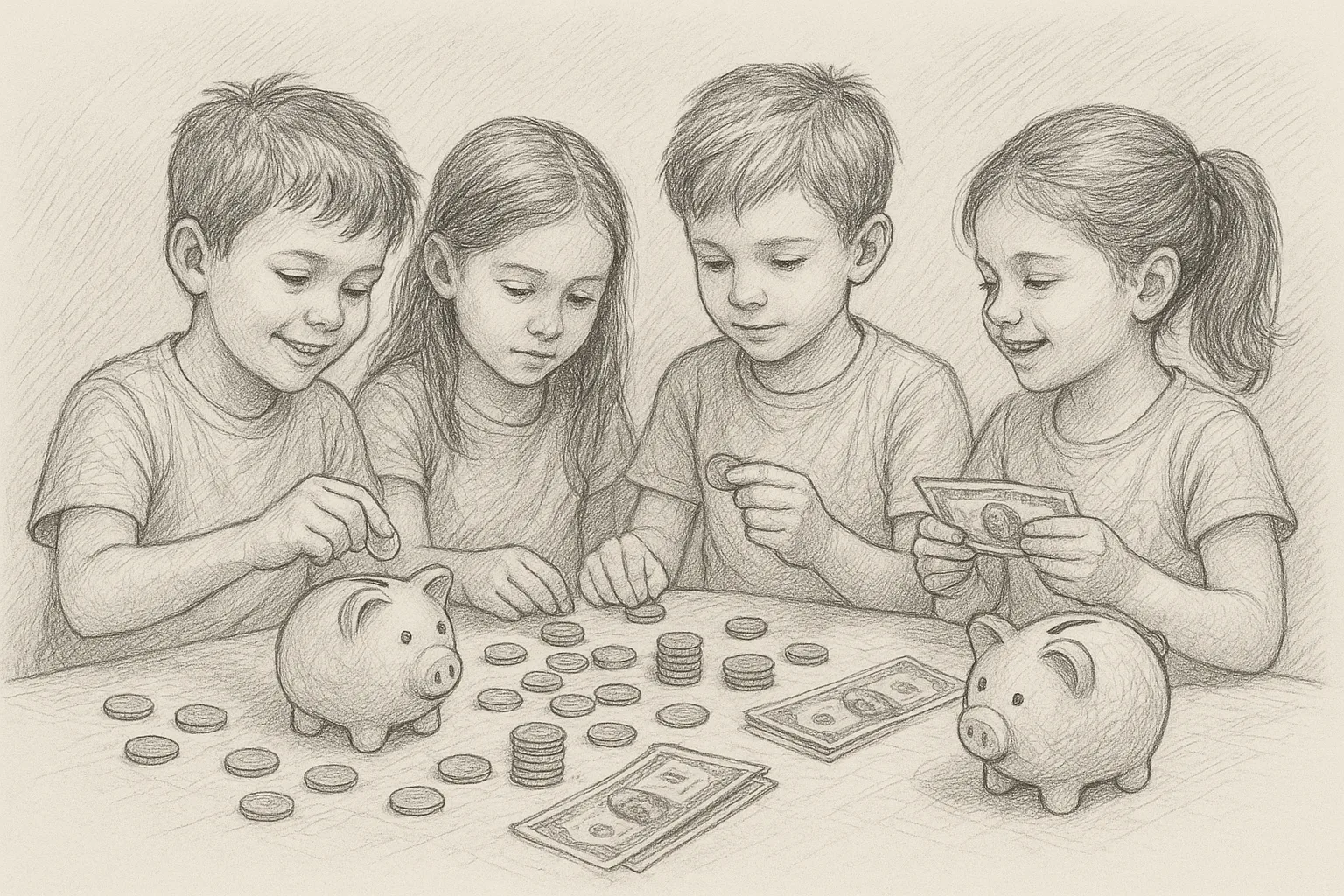
Helping children understand money is one of the best gifts we can give them. When kids learn what money is and how it works, they grow up feeling confident and capable with their finances. This article shares friendly, simple ways for parents and educators to introduce money concepts in everyday life.
What Is Money?
Money is what we use to buy things we need and want. It can be coins, notes, or even numbers on a card or screen. But money is more than just pieces of paper or metal—it’s a tool that helps us trade what we have for what others offer.
Explaining Money Simply to Children
Start by connecting money to something familiar. For example, say, “Money is like a ticket that lets you get toys, food, or clothes.” Use everyday examples like buying a snack or paying for a bus ride.
Step-by-Step Tips for Teaching Kids About Money
- 1. Use Real Money: Let children handle coins and notes. Show different values and explain what each can buy.
- 2. Play Money Games: Board games with money, like simple shop or market play, help kids practise counting and spending in a fun way.
- 3. Set Up a Mini Shop: Use toys or household items to create a shop at home. Take turns being the seller and buyer to teach exchanging money for goods.
- 4. Talk About Earning: Explain that money comes from working or helping others. You might say, “When you do your chores, you earn money to spend or save.”
- 5. Introduce Saving: Encourage putting some money aside to buy something special later. Use a clear jar so kids see their money grow.
- 6. Discuss Needs vs Wants: Help children understand the difference between things they must have (like food) and things they want (like toys).
- 7. Use Stories and Books: Stories about money can make learning easier and more interesting for children.
Everyday Examples to Make Money Meaningful
- Shopping Together: Let children help pay for small items and count change.
- Planning a Treat: Save money together for a family ice cream or outing.
- Comparing Prices: Show how different shops sell the same item at different prices.
Common Myths About Teaching Kids Money
- Myth: Kids Are Too Young to Learn About Money. Actually, children can start learning simple money ideas from as young as three years old through play and everyday talk.
- Myth: Money Talk Is Too Boring. Making money lessons fun and part of daily life keeps kids interested and helps them remember better.
- Myth: Only Parents Need to Teach Money Skills. Educators and caregivers play a key role by reinforcing money skills in schools and childcare.
“Teaching children about money is teaching them about life.”
Anonymous
Remember, teaching kids about money is not about making them into maths experts but about helping them understand everyday choices. The earlier we start, the easier it becomes for children to feel comfortable and responsible with money as they grow.
This article provides general educational information only and is not financial advice. Always seek guidance from a qualified professional for personal financial decisions.
Next: Explaining the Difference Between Needs and Wants to Children