
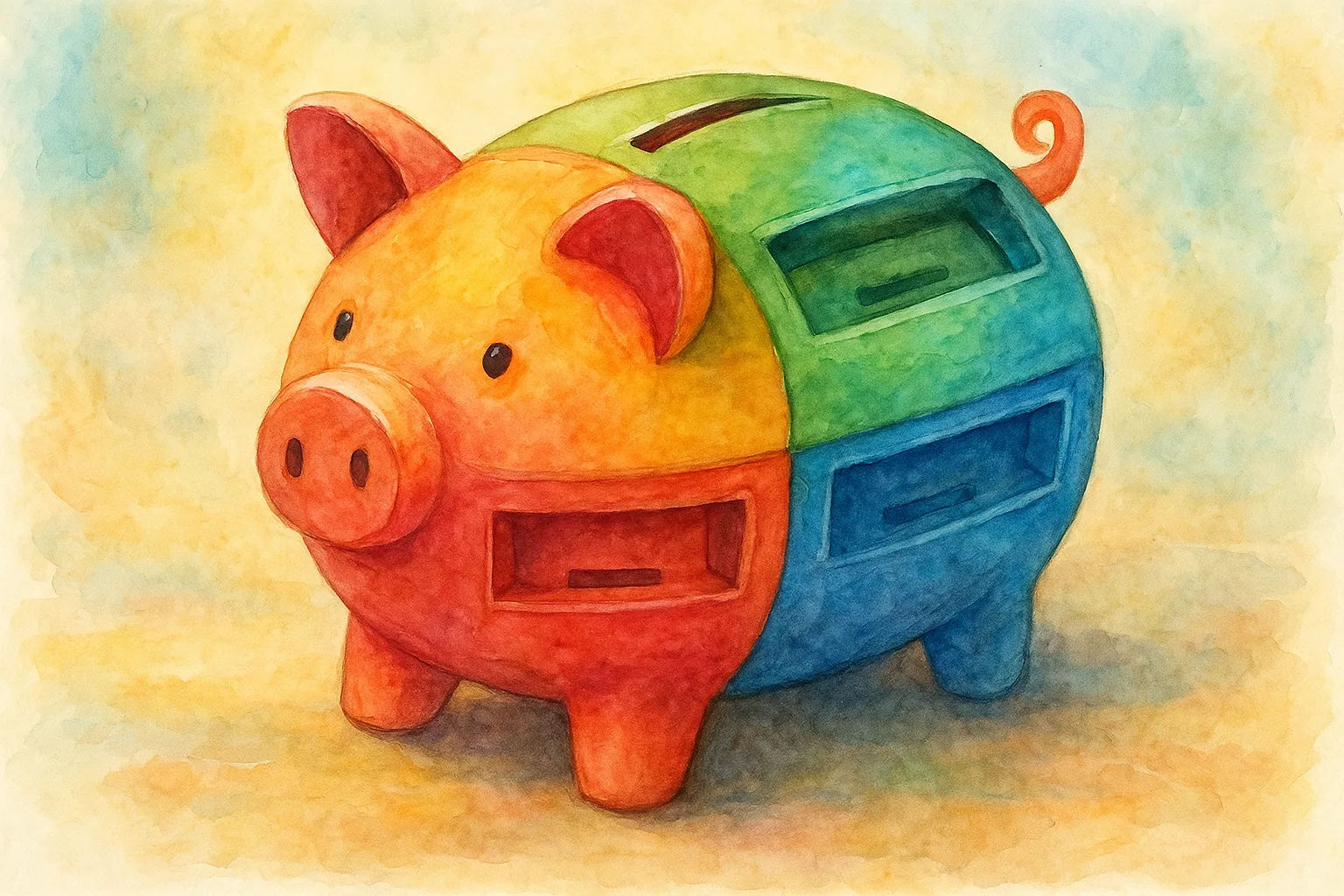
Teaching children about money can be fun and rewarding! A piggy bank system is a great way to introduce kids to the concepts of saving, spending, and managing money. With a few simple steps, you can create a piggy bank system that actually works and helps your child learn valuable financial skills.
Step 1: Choose the Right Piggy Bank
The first step is to choose a piggy bank that your child will love. It can be a traditional pig-shaped bank or something more unique, like a fun character or design. The important thing is that it should be appealing to your child, encouraging them to use it.
Step 2: Set Savings Goals
Talk to your child about what they want to save for. It could be a toy, a game, or even a fun day out. Setting a specific goal makes saving more exciting. Here are some ways to help set goals:
- Ask your child what they would like to buy.
- Help them figure out how much money they need to save.
- Set a timeline for how long they will save to reach their goal.
Step 3: Create a Saving System
Now that you have chosen a piggy bank and set a goal, it’s time to create a saving system. Here’s how to do it:
- Start with an allowance: If your child receives an allowance, encourage them to save a portion of it. A good rule is to save 50% of their allowance.
- Use visual aids: Create a chart or use stickers to track their savings progress. This will help them see how close they are to reaching their goal.
- Encourage small contributions: Whenever they receive extra money, like birthday gifts or money from chores, encourage them to add some of it to their piggy bank.
Step 4: Teach Spending Wisely
Once your child has saved a bit of money, it’s important to teach them how to spend it wisely. You can do this by:
- Discussing needs versus wants: Help your child understand the difference between what they need and what they want. This will help them make better spending choices.
- Encouraging thoughtful purchases: Before they buy something, ask them to think about how long they will enjoy it and if it’s worth the money they saved.
- Setting a spending limit: If they decide to spend some of their saved money, help them set a limit to avoid overspending.
Step 5: Celebrate Achievements
When your child reaches their savings goal, celebrate! This reinforces the idea that saving is important and rewarding. You can:
- Take them to buy the item they saved for.
- Have a small celebration at home.
- Surprise them with a small treat as a reward for their hard work.
Myths About Piggy Banks
There are some common myths about piggy banks that we should clear up:
- Myth 1: Saving is boring. Reality: Saving can be fun when tied to goals and celebrations!
- Myth 2: Kids won’t understand money. Reality: Children can learn about money in simple ways through everyday activities.
- Myth 3: Piggy banks are just for coins. Reality: Kids can save notes, small toys, or anything that represents their savings!
Final Thoughts
Creating a piggy bank system that works involves choosing the right bank, setting goals, and encouraging saving and spending wisely. With your guidance, your child can learn valuable lessons about money management that will benefit them for a lifetime.
This article provides general educational information only and is not financial advice. Always seek guidance from a qualified professional for personal financial decisions.
Previous: How to Explain Interest to Kids in a Simple Way
Next: How to Teach Kids to Budget Using Real-Life Examples