
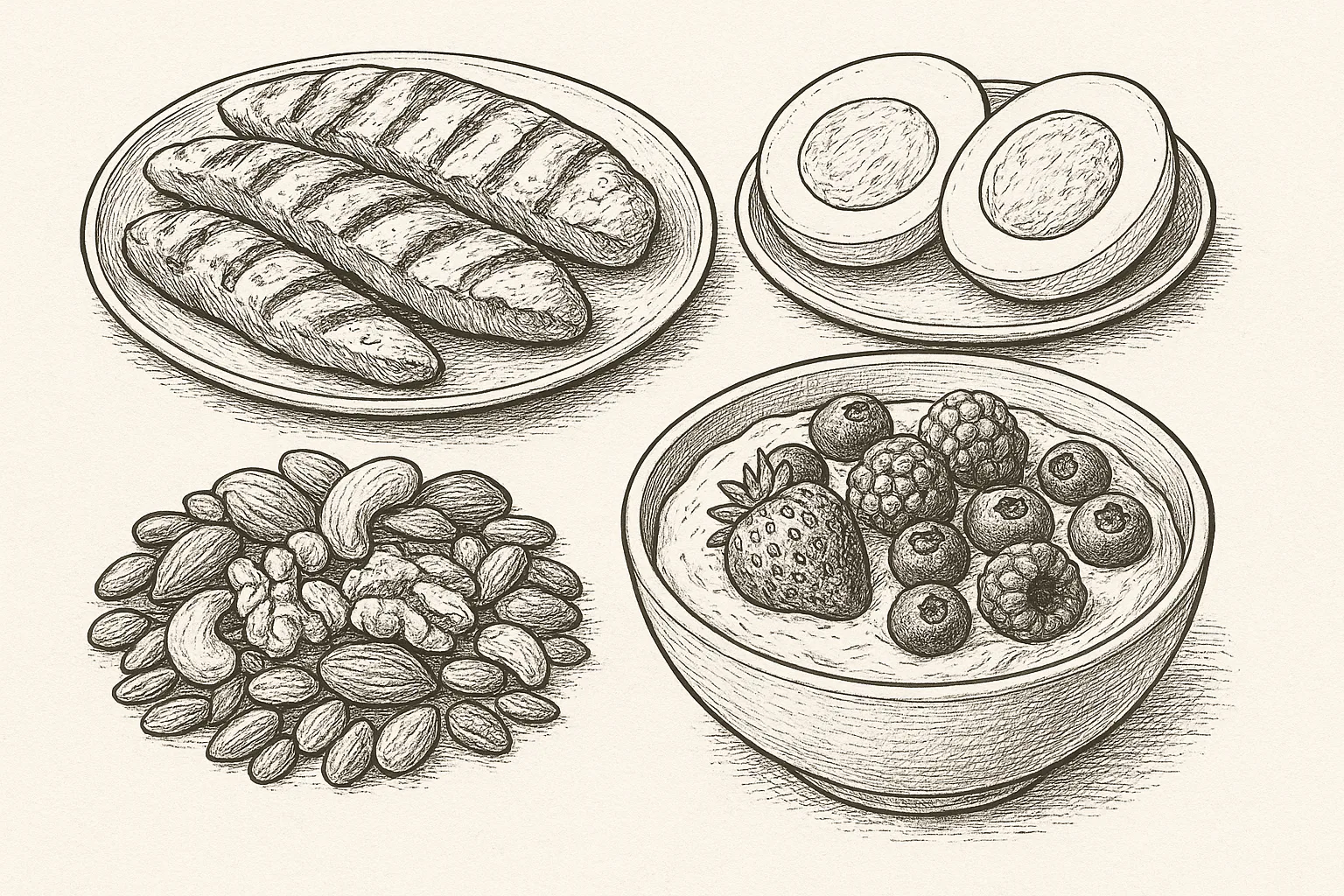
Eating the right snacks can be a game-changer when it comes to supporting your fitness goals. High-protein snacks provide lasting energy, help build and repair muscles, and keep you feeling fuller for longer. Whether you’re aiming to build strength, lose weight, or simply maintain a healthy lifestyle, choosing protein-packed snacks is a smart and practical habit. In this article, we’ll explore tasty and easy high-protein snack options, share step-by-step tips for incorporating them into your routine, and clear up some common myths about protein and snacking.
Why Choose High-Protein Snacks?
Protein is one of the essential nutrients your body needs to function well. It plays a vital role in repairing muscles, supporting the immune system, and maintaining healthy skin and hair. When it comes to fitness, protein is especially important because it helps your body recover after exercise and build lean muscle mass.
Snacking on high-protein foods between meals can help manage hunger, reduce energy dips, and prevent overeating later in the day. Unlike many carb-heavy snacks that may cause quick sugar spikes and crashes, protein-rich options provide steady fuel for your body and brain.
Easy High-Protein Snack Ideas
Here are some simple, wholesome snacks that are naturally high in protein and easy to prepare or grab on the go:
- Greek yoghurt with berries: Creamy Greek yoghurt is packed with protein and pairs beautifully with fresh or frozen berries for added vitamins and antioxidants.
- Hard-boiled eggs: Portable and filling, eggs are a fantastic source of high-quality protein and healthy fats.
- Hummus with veggie sticks: Chickpeas in hummus provide plant-based protein, and crunchy vegetables like carrots and cucumber add fibre and vitamins.
- Mixed nuts and seeds: A small handful of almonds, walnuts, or pumpkin seeds offers protein, healthy fats, and minerals. Remember to watch portion sizes as nuts are calorie-dense.
- Cottage cheese with pineapple or tomato: Cottage cheese is rich in protein and pairs well with sweet or savoury toppings.
- Edamame beans: These young soybeans are a tasty snack that’s high in plant protein and fibre.
- Tuna or salmon on wholegrain crackers: Canned fish is a convenient protein source, and wholegrain crackers add slow-release energy.
- Protein smoothie: Blend your favourite protein source like pea protein powder or yoghurt with fruits and spinach for a quick, nutritious snack.
Step-by-Step Tips for Adding High-Protein Snacks into Your Day
- Plan ahead: Prepare snacks in advance, such as boiling eggs or portioning nuts, so you always have a protein-rich option ready.
- Balance your snacks: Combine protein with fibre and healthy fats to keep you satisfied longer. For example, pair cheese with apple slices or hummus with carrot sticks.
- Listen to your hunger cues: Eat snacks when you feel genuinely hungry rather than out of habit or boredom.
- Keep portions moderate: Snacks are meant to supplement meals, so aim for around 150-200 calories per snack depending on your needs.
- Stay hydrated: Sometimes thirst can be mistaken for hunger, so drink water regularly throughout the day.
- Mix it up: Variety helps you get different nutrients and keeps snacking enjoyable.
Common Myths About Protein and Snacking
There’s a lot of conflicting information around protein and snacking. Let’s clear up a few common myths:
- Myth: You need huge amounts of protein to see benefits. In reality, most adults benefit from a moderate protein intake spread evenly across meals and snacks. Excessive protein offers no extra advantage and may be hard on your kidneys over time.
- Myth: Snacking ruins your appetite for meals. Choosing balanced, moderate snacks can actually help regulate hunger and prevent overeating at mealtimes.
- Myth: Plant-based proteins aren’t as good as animal proteins. Plant proteins like beans, lentils, nuts, and seeds provide essential amino acids and can fully support fitness goals when consumed in variety.
- Myth: Protein snacks are all expensive or complicated to prepare. Many budget-friendly and simple options like hard-boiled eggs, canned tuna, or natural yoghurt are quick and affordable.
Putting It All Together: Creating Healthy Snacking Habits
Developing a habit of eating high-protein snacks can be easier than you think. Start small by choosing one or two favourite snacks from the list above and incorporating them into your routine. Keep your snacks visible and accessible, and prepare portions in advance to avoid the temptation of less nutritious options.
Remember, snacking is just one part of a balanced diet and active lifestyle. Combining good nutrition with regular physical activity, adequate sleep, and stress management will help you reach your fitness goals sustainably and enjoyably.
Conclusion
High-protein snacks are a delicious and practical way to support your fitness journey. By choosing balanced, nutrient-rich options and planning ahead, you can enjoy sustained energy, improved muscle recovery, and better hunger control. Keep an open mind to variety and listen to your body’s needs as you build sustainable snacking habits that fit your lifestyle. Remember, good nutrition is about progress, not perfection—small positive changes add up over time to create lasting wellbeing.
This article provides general educational information only and is not a substitute for professional medical advice. Always consult a qualified healthcare professional for personal guidance.