
Series: The UK Allotment Year
Phase 3: Organic & Eco-Friendly Gardening — Part 28 of 50
Focuses on sustainable, low-impact methods — no-dig approaches, composting, water-saving, and wildlife-friendly practices to create healthy soil and ecosystems.
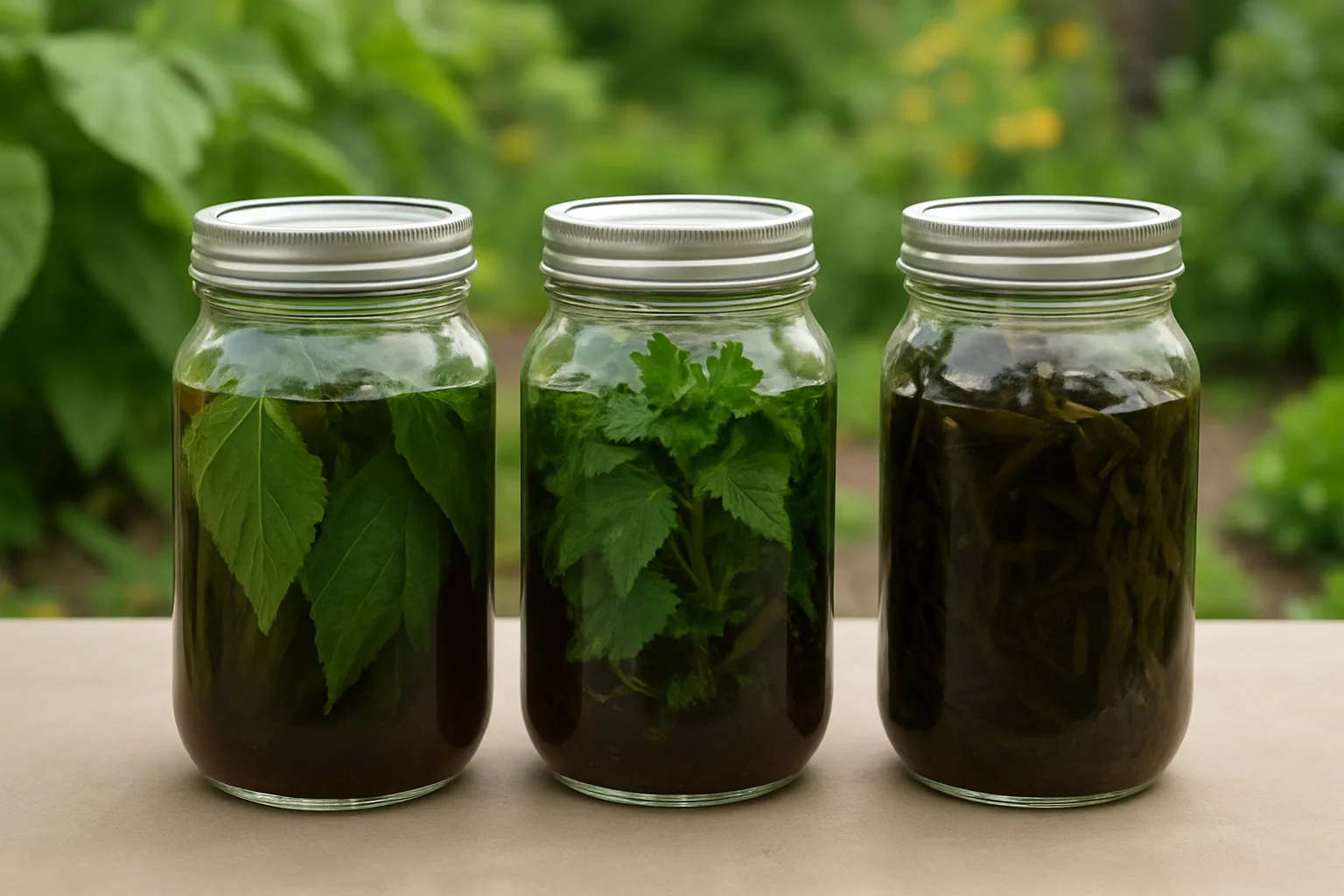
Organic Fertilisers You Can Make at Home (Comfrey, Nettles, Seaweed)
As spring unfolds across the UK allotment, now is the perfect time to prepare organic fertilisers that will nourish your crops naturally throughout the growing season. Using comfrey, nettles, and seaweed, you can create nutrient-rich liquid feeds and soil conditioners with minimal effort and no chemicals. These homemade fertilisers support healthy plant growth, improve soil structure, and reduce waste by making the most of what’s growing around you.
Why Use Homemade Organic Fertilisers?
- Rich in nutrients: Comfrey and nettles are packed with nitrogen, potassium, and trace minerals, while seaweed provides valuable micronutrients and natural growth stimulants.
- Eco-friendly: Avoid synthetic chemicals that can harm soil life and water quality.
- Cost-effective: Save money by turning weeds and seaweed into garden gold.
- Easy to make: Simple methods suitable for beginners and seasoned plot holders alike.
What You’ll Need
- Plastic or glass container (10-20 litres) with a lid or cover
- Garden gloves (especially for nettles)
- Sharp garden scissors or secateurs
- Water (rainwater is best if you have it)
- Strainer or old stocking for filtering
- Comfrey, nettles, or seaweed (freshly harvested)
- Optional: large bucket or barrel for soaking seaweed
When to Harvest and Prepare Your Fertilisers
In the UK, the best time to gather your plants is spring through early summer:
- Comfrey: Cut leaves before flowering starts, typically April to June.
- Nettles: Young shoots and leaves are best in spring (April-May) before they get tough.
- Seaweed: Collect after storms or low tide in spring and early summer when it’s freshest.
Harvest no more than one-third of the plant to allow regrowth and avoid damaging wild populations.
How to Make Comfrey and Nettle Liquid Feed
- Gather plant material: Use garden gloves to cut comfrey leaves or nettle tops about 15-20cm long.
- Chop roughly: Cut into smaller pieces to speed up fermentation.
- Fill container: Place plant material into your container, filling about two-thirds full.
- Add water: Pour in rainwater or tap water (if not chlorinated heavily) to cover the leaves fully.
- Cover and store: Loosely cover with a lid or cloth to allow gases to escape but keep insects out. Place in a shaded, warm spot (10-20°C ideally).
- Stir daily: Mix the liquid once a day to aerate and speed fermentation.
- Fermentation time: After 2-3 weeks, the mixture will stop bubbling and smell earthy but not rotten.
- Strain and dilute: Strain through a fine mesh or old stocking. Dilute the liquid feed with water at a ratio of 1:10 before use.
- Apply: Use as a foliar feed or soil drench around plants every 2-3 weeks during the growing season.
How to Make Seaweed Fertiliser
- Collect seaweed: Rinse off excess sand and debris with fresh water.
- Chop into smaller pieces: This helps extraction.
- Soak seaweed: Place in a large bucket or barrel and cover with rainwater. Leave to soak for 2-4 weeks, stirring occasionally.
- Strain the liquid: Pour the liquid through a fine sieve or cloth.
- Use as liquid feed: Dilute the seaweed extract 1:20 with water and apply to plants every 3-4 weeks.
- Optional seaweed meal: After soaking, dry leftover seaweed on a greenhouse shelf or drying rack, then crush to use as a slow-release soil amendment.
Quick Checklist for Making Organic Fertilisers
- Wear gloves when harvesting nettles to avoid stings
- Use a container with a lid or cover for fermentation
- Keep the container in a shaded spot to prevent overheating
- Stir the comfrey/nettle mix daily for good aeration
- Strain well before applying to avoid plant damage
- Dilute liquid fertilisers to avoid overfeeding
- Harvest sustainably to protect wild plants and encourage regrowth
Common Mistakes to Avoid
- Not diluting the liquid feed: Using it undiluted can burn plants.
- Using chlorinated tap water: This can kill beneficial microbes; use rainwater if possible.
- Sealing the container airtight: This can cause dangerous gas build-up; keep the lid loose or use a cloth cover.
- Harvesting too late: Older nettles and comfrey leaves are less nutritious and tougher.
- Ignoring smell and colour: If the mix smells putrid or shows mould, discard and start fresh.
Next Steps for Your Allotment This Season
Now that you’ve prepared your organic fertilisers, it’s time to put them to good use:
- Feed hungry brassicas, tomatoes, and courgettes every few weeks with your comfrey or nettle liquid feed.
- Apply seaweed feed to potatoes and root vegetables to boost flavour and vigour.
- Use leftover comfrey leaves as a mulch around fruit bushes to retain moisture and add nutrients.
- Plan to make fresh batches regularly to keep your fertiliser supply steady throughout summer.
By harnessing the power of comfrey, nettles, and seaweed, you’ll nurture a thriving, organic allotment that’s full of flavour and vitality. Happy feeding!
Previous: Creating a Wildlife-Friendly Allotment (Bees, Frogs, and Hedgehogs)
Next: How to Use Green Manure for Soil Health