
Series: The UK Allotment Year
Phase 3: Organic & Eco-Friendly Gardening — Part 29 of 50
Focuses on sustainable, low-impact methods — no-dig approaches, composting, water-saving, and wildlife-friendly practices to create healthy soil and ecosystems.
How to Use Green Manure for Soil Health
As the growing season winds down and many crops come to an end, now is the perfect time to focus on boosting your allotment’s soil health for next year. Green manure crops are a simple, natural way to improve soil structure, add nutrients, and encourage beneficial soil life—all without synthetic inputs. By sowing green manure at the right time and managing it well, you’ll set your plot up for success in the months ahead.
What is Green Manure and Why Use It?
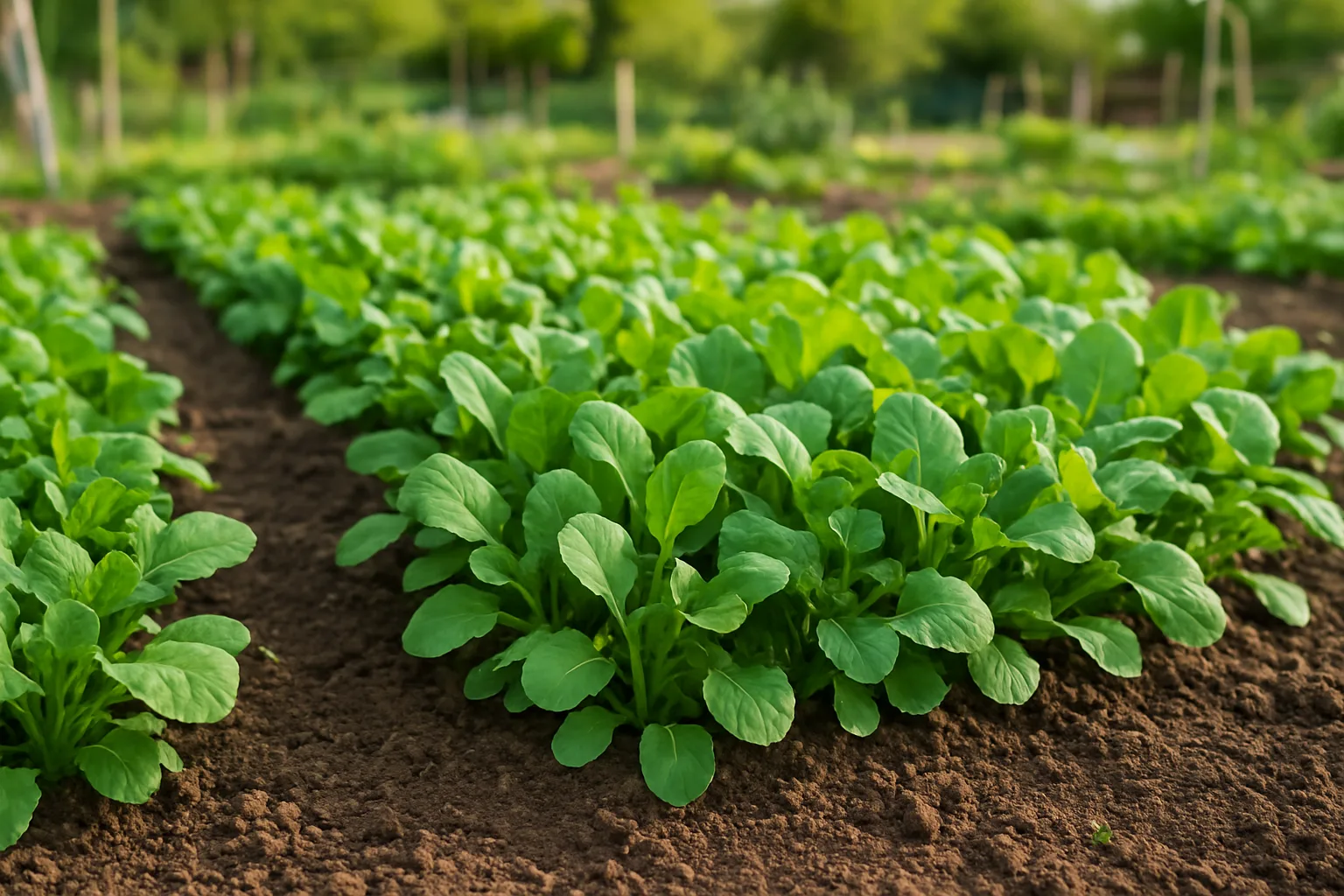
Green manure refers to plants grown specifically to be dug back into the soil, enriching it with organic matter and nutrients. These crops help break up heavy soil, fix nitrogen, suppress weeds, and improve moisture retention. Using green manure is a key part of organic and eco-friendly gardening, supporting a healthy, living soil ecosystem.
When and How to Sow Green Manure
Timing is important to get the best from green manure. In most parts of the UK, the main sowing windows are:
- Late summer to early autumn (August to September): Sow fast-growing green manures after early summer crops finish. This allows them to establish before winter.
- Late winter to early spring (February to April): Sow hardy green manures to prepare soil before main spring planting.
To sow:
- Clear the ground of crop debris and weeds.
- Rake the soil lightly to create a fine seedbed.
- Broadcast the green manure seeds evenly across the plot.
- Rake gently to cover seeds with a thin soil layer (about 1–2cm).
- Water in well if weather is dry to encourage germination.
Choosing the Right Green Manure Crops
Different green manures offer various benefits. Choose based on your soil needs and the season:
- Legumes (e.g. Crimson Clover, Field Beans, Vetch): Fix nitrogen from the air, enriching the soil with this vital nutrient.
- Grasses (e.g. Ryegrass, Oats): Add bulk and organic matter, improve soil structure, and prevent erosion.
- Mustards and Phacelia: Fast-growing, good for weed suppression and attracting pollinators.
- Mixes: Combining legumes and grasses gives a balanced soil boost.
Caring for Your Green Manure Crop
Once sown, green manure crops need minimal care but keep an eye out for the following:
- Moisture: Water if prolonged dry spells occur, especially during establishment.
- Weeds: Green manure helps suppress weeds, but remove any persistent ones early.
- Growth: Allow your green manure to grow for 6–10 weeks, depending on the type and season.
Incorporating Green Manure into the Soil
When your green manure crop is well established but before it sets seed, it’s time to incorporate it back into the soil:
- Cut the green manure plants down to ground level using a spade or garden fork.
- Leave the cut material on the surface for a few days to wilt (optional but speeds decomposition).
- Dig or fork the green manure into the top 15–20cm of soil.
- Water the area to aid breakdown and microbial activity.
Wait 2–3 weeks before planting your next crop to allow the green manure to break down fully and avoid nitrogen lock-up.
Tools and Materials for Green Manure
- Garden fork or spade: For incorporating green manure into the soil.
- Rake: To prepare seedbeds and cover seeds.
- Seed spreader (optional): For even seed distribution, especially on larger plots.
- Watering can or hose: To ensure moisture during sowing and dry periods.
- Green manure seed mix: Choose certified organic seed where possible for eco-friendly gardening.
Quick Checklist for Using Green Manure
- Clear and prepare your soil before sowing.
- Sow appropriate green manure seeds at the right time for your region.
- Water seeds in if dry; keep soil moist until established.
- Let the crop grow 6–10 weeks, avoiding seed setting.
- Cut and incorporate green manure into soil well before planting next crops.
Common Mistakes to Avoid
- Sowing too late: Seeds sown too late in autumn may not establish before winter frost.
- Letting green manure go to seed: This can create more weeds and reduce nutrient return.
- Incorporating green manure too close to planting: Not allowing enough time for breakdown can cause nitrogen tie-up.
- Neglecting soil preparation: Poor seedbed preparation leads to patchy growth.
- Skipping watering during dry spells: Without moisture, seeds may fail to germinate.
Next Actions for This Phase
This month, choose your green manure seeds based on your plot’s needs and local climate. Prepare your soil promptly after harvesting summer crops and sow your green manure by early September to give it the best chance before the colder months. Mark your calendar to cut and dig it in come late autumn or early spring. By following these steps, you’ll nourish your soil naturally and enjoy healthier crops next season.
Happy sowing and digging in your green manure—your soil will thank you!
Previous: Organic Fertilisers You Can Make at Home (Comfrey, Nettles, Seaweed)
Next: Zero-Waste Gardening: Reusing and Repurposing on the Plot