
Good posture is about more than just looking confident—it supports your overall health and wellbeing. Strength training is a powerful tool that can help you stand taller, reduce discomfort, and improve your body’s alignment. This article will guide you through practical, sustainable ways to use strength training to enhance your posture, bust some common myths, and provide simple steps to get started.
Why Does Posture Matter?
Posture refers to the position in which you hold your body while standing, sitting, or lying down. Good posture helps maintain the natural curves of your spine and keeps your muscles and joints working efficiently. When posture is poor, it can lead to muscle strain, discomfort, and even contribute to long-term issues like back and neck pain.
How Strength Training Supports Better Posture
Strength training focuses on building muscle strength and endurance, which plays a key role in stabilising your spine and supporting your joints. Strong muscles help you maintain proper alignment throughout the day, whether you’re sitting at your desk or moving around. Here’s how strength training benefits your posture:
- Improves core stability: A strong core supports your lower back and pelvis, reducing slouching and strain.
- Strengthens upper back muscles: Helps pull your shoulders back and open your chest, combating rounded shoulders.
- Enhances muscle balance: Prevents one group of muscles from becoming too tight or weak, which can distort posture.
- Supports joint health: Strong muscles reduce load on joints, lowering discomfort and improving mobility.
Practical Steps to Use Strength Training for Better Posture
Building better posture through strength training doesn’t mean hours at the gym or complicated routines. Here are simple, doable steps to get started and keep going:
- Start with a posture check: Notice how you stand and sit during the day. Are your shoulders rounded? Is your head jutting forward? Awareness is the first step toward change.
- Focus on key muscles: Target your core, upper back, and shoulders with exercises like planks, rows, and shoulder blade squeezes.
- Use your body weight: Beginners can start with bodyweight exercises that build strength safely and effectively.
- Include stretching: Stretch tight muscles such as the chest and front of the shoulders to balance strength work.
- Practice regularly: Aim for two to three strength sessions a week, each lasting 20–30 minutes.
- Maintain good form: Focus on technique rather than speed or weight to avoid injury and get the best results.
- Gradually increase challenge: Add reps, sets, or light resistance as you become stronger.
- Incorporate posture breaks: Throughout your day, take short breaks to stand tall, stretch, and reset your posture.
Sample Exercises to Improve Posture
- Plank: Supports core strength. Hold a plank position on elbows or hands, keeping your body in a straight line from head to heels.
- Wall Angels: Stand with your back against a wall and slowly raise and lower your arms, keeping elbows and wrists touching the wall.
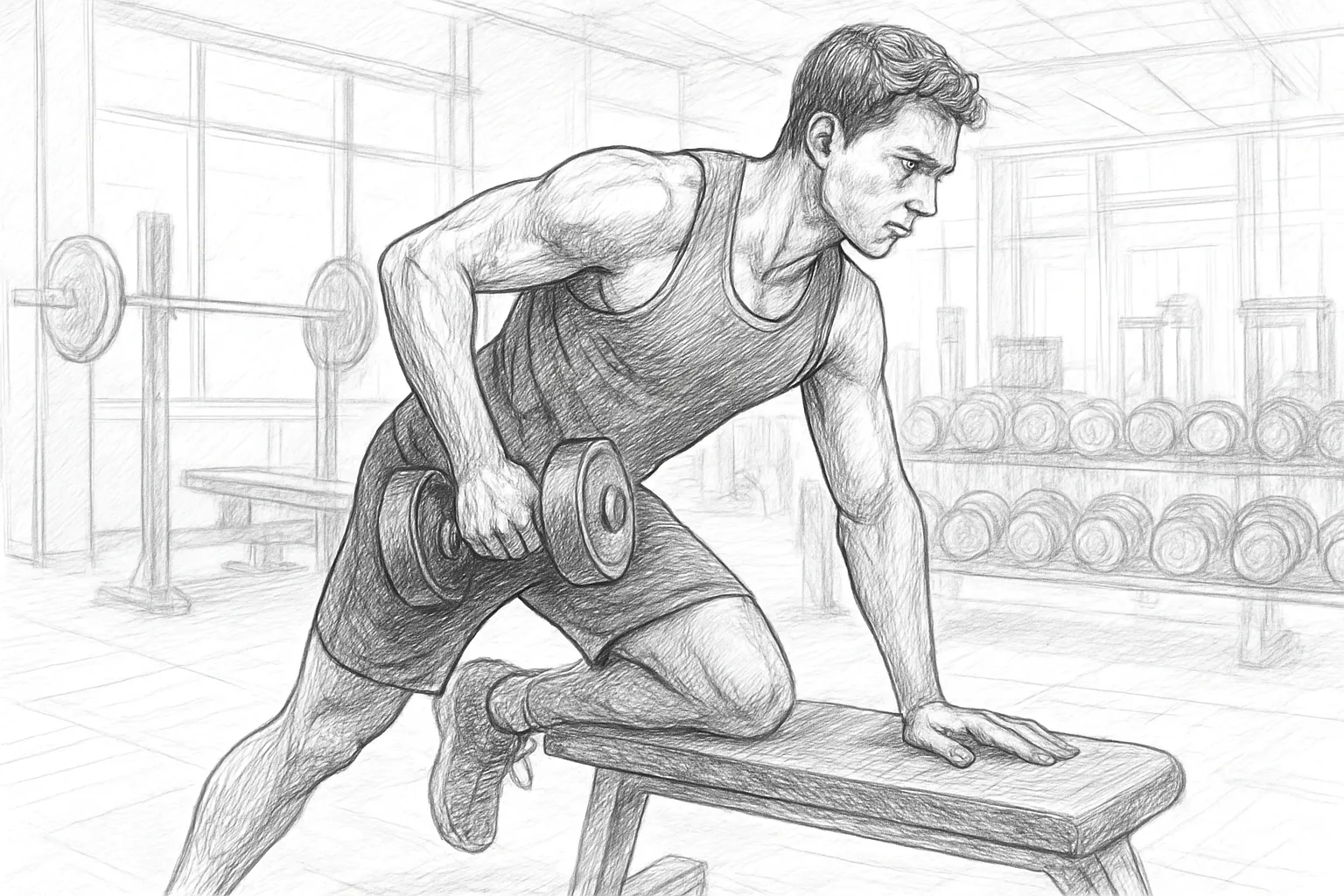
- Rows: Using resistance bands or light weights, pull your arms back while squeezing your shoulder blades together.
- Chest Stretch: Clasp your hands behind your back and gently lift your arms to open your chest and shoulders.
- Bird Dog: From a hands-and-knees position, extend one arm and the opposite leg, keeping your spine stable.
Common Myths About Strength Training and Posture
- Myth: Strength training will make me bulky and stiff. Building posture-supporting muscle does not mean getting bulky. It improves flexibility and balance when done correctly.
- Myth: Only gym workouts count. You don’t need fancy equipment. Bodyweight exercises and resistance bands work just as well.
- Myth: Posture is only about the spine. Posture depends on many muscles working together, including the core, hips, and shoulders.
- Myth: It’s too late to improve posture. No matter your age or fitness level, gentle strength training can make a positive difference.
“Strengthening your body is a key step to standing tall and feeling your best every day.”
Health and Wellbeing Expert
Remember, good posture is a habit built over time. Consistency with strength training and mindful awareness throughout your day can lead to noticeable improvements. Celebrate small wins and adjust your routine to what feels sustainable and enjoyable for you.
This article provides general educational information only and is not a substitute for professional medical advice. Always consult a qualified healthcare professional for personal guidance.