
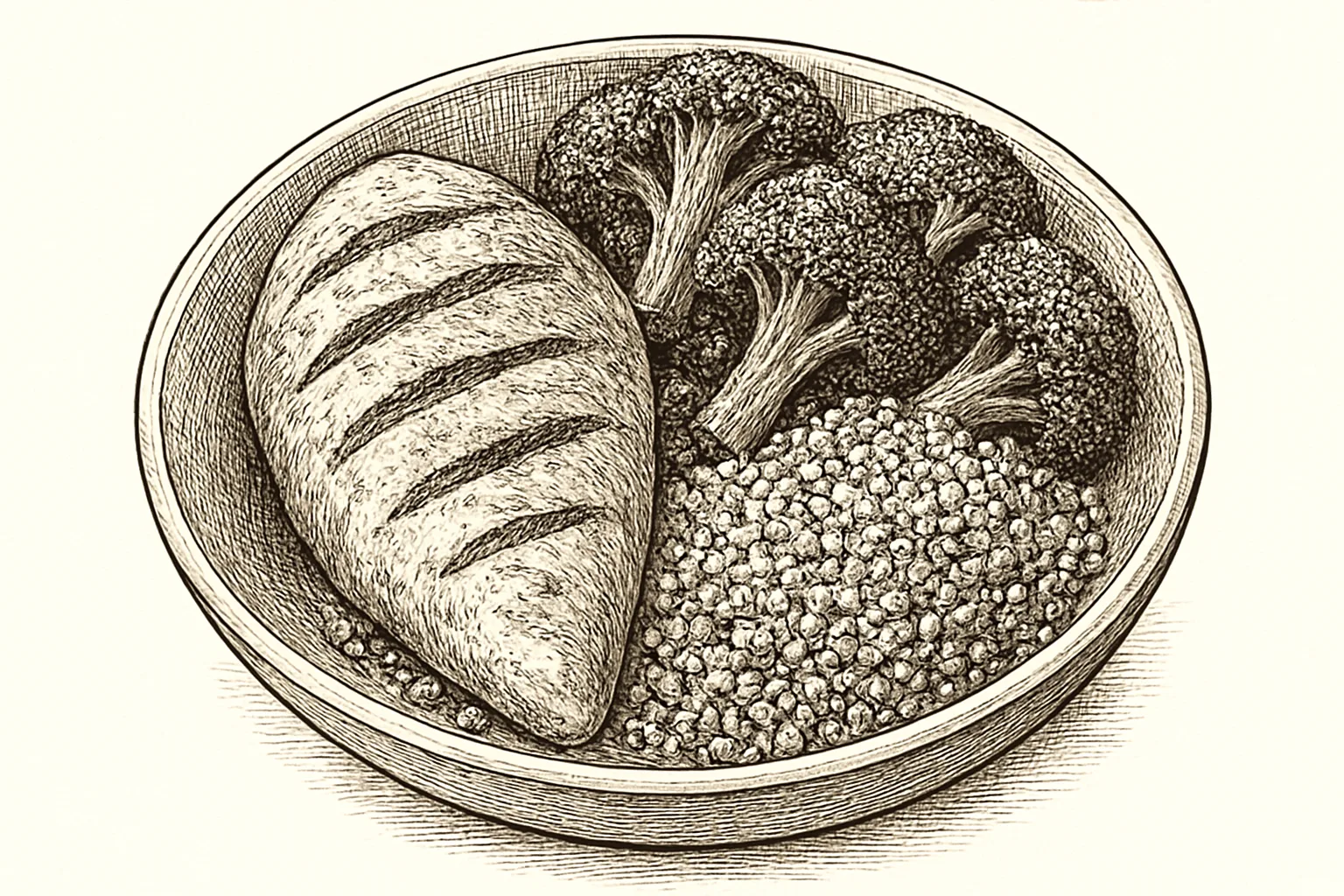
Protein plays a key role in building and repairing muscles, which is essential whether you’re an athlete, fitness enthusiast, or simply want to maintain your strength as you age. Understanding how protein supports muscle growth and recovery can help you develop sustainable habits for better health and wellbeing.
Why Protein Matters for Muscle Health
Proteins are made up of amino acids, often called the building blocks of the body. When you exercise, especially during strength training or resistance workouts, your muscles undergo small tears. Protein helps repair these tears, allowing muscles to grow stronger and recover effectively.
How Much Protein Do You Need?
The amount of protein you need depends on factors such as your age, activity level, and overall health. Most adults can benefit from around 1.2 to 2.0 grams of protein per kilogram of body weight daily if they are active and looking to support muscle growth and recovery. For example, a person weighing 70kg might aim for 84 to 140 grams of protein each day.
Practical Tips for Including Protein in Your Diet
- Spread your protein intake throughout the day: Try to include a source of protein in every meal and snack to support continuous muscle repair.
- Choose a variety of protein sources: Include plant-based options like beans, lentils, tofu, and nuts alongside animal-based sources such as lean meat, fish, eggs, and dairy. This variety ensures a good mix of amino acids and other nutrients.
- Plan post-exercise meals: Eating protein within a couple of hours after exercising can help kickstart muscle recovery.
- Use simple cooking methods: Grilling, baking, steaming, or stir-frying keeps proteins nutritious and delicious without adding unnecessary fats.
- Snack smart: Opt for protein-rich snacks like Greek yoghurt, a handful of nuts, or hummus with vegetable sticks.
Myths About Protein and Muscle Growth
- Myth 1: You need excessive amounts of protein to build muscle. In reality, consuming protein beyond your body’s needs doesn’t speed up muscle growth and can be wasteful.
- Myth 2: Only animal proteins are effective. Plant proteins can be just as beneficial when eaten in variety and sufficient amounts.
- Myth 3: Protein alone builds muscle. While protein is essential, regular exercise and adequate rest are equally important for muscle growth and recovery.
- Myth 4: Protein is only for bodybuilders or athletes. Everyone benefits from adequate protein to maintain muscle mass, support metabolism, and promote recovery.
Combining Protein with Other Healthy Habits
Protein works best when combined with balanced nutrition, hydration, and rest. Here are some tips to support your overall muscle health:
- Stay hydrated: Water supports all bodily functions, including muscle repair and recovery.
- Get enough sleep: Sleep is when your body repairs itself, so aim for 7–9 hours per night.
- Include regular exercise: Strength training and aerobic activities both contribute to muscle health.
- Manage stress: Chronic stress can interfere with muscle recovery and overall wellbeing.
Step-by-Step Guide to Boost Muscle Recovery with Protein
- Assess your current protein intake: Keep a food diary for a few days to understand how much protein you consume.
- Adjust portion sizes: Add a little more protein to meals if you’re below your target needs.
- Plan meals ahead: Prepare balanced meals that include a variety of protein sources.
- Time your protein intake: Include a protein-rich snack or meal after workouts.
- Monitor your progress: Notice how your energy levels, muscle strength, and recovery improve over time.
“Building muscle is a marathon, not a sprint. Consistent protein intake combined with regular exercise and rest is the best way to support your muscles.”
Health & Wellbeing Expert
By understanding the role of protein in muscle growth and recovery, you can make informed choices that fit your lifestyle and goals. Remember, sustainable habits matter more than quick fixes. Enjoy the process of nurturing your body with the right nutrients and care.
This article provides general educational information only and is not a substitute for professional medical advice. Always consult a qualified healthcare professional for personal guidance.
Ready to support your muscles with protein and healthy habits? Start today by planning your next protein-rich meal and moving your body in a way that feels good to you.