
Series: History of Una, Himachal Pradesh, India
Phase 5: Modern Era — Part 24 of 30
This article appears within a continuing historical series that follows the western Himalayas into the modern era. With the end of princely rule and the integration into independent India, long-standing social and political patterns were reconfigured. This phase examines how development, state formation, and memory interact with inherited landscapes, shaping contemporary life while carrying forward echoes of the past.
The First Light Over the Swan
It is early morning in Una, and mist hovers above the pale-green expanse of paddy fields stretching along the banks of the Swan river. The air is thick with the scent of wet earth and cow dung smoke, and somewhere in the distance, the metallic clang of a hand pump punctuates the dawn chorus. Here, in the heart of Himachal Pradesh’s Shivalik foothills, the rhythms of rural life are as old as the hills themselves. Yet, every furrowed field and every irrigation channel tells a story—of adaptation, struggle, and the quiet revolution that has shaped agriculture, irrigation, and the rural economy in Una today.
From Ancient Ploughs to Colonial Canals
Una’s agricultural roots run deep. For centuries, families tilled narrow plots with wooden ploughs, relying on the erratic monsoon to coax life from the rocky soils. Oral traditions recall how ancestors watched the skies with anxious anticipation, their livelihoods hanging on the arrival of rain-bearing clouds. The region’s undulating terrain and seasonal rivers, including the Swan and Soan, made irrigation a perennial challenge.
Under Mughal and Sikh rule, little changed—land and water management remained local and ad hoc, with village elders directing simple diversion channels to capture fleeting streams. It was only with the advent of British colonial administration in the 19th century that a new era dawned. Determined to maximize land revenue, the British surveyed the valleys and, in the late 1800s, began constructing modest canals and embankments along the Swan. The names of British engineers like Major John Cautley echo in local lore, remembered for their attempts to tame the unpredictable river. These early efforts, though limited, laid the groundwork for the irrigation networks that would transform Una’s landscape.
The Long Shadow of the Swan: Flood, Famine, and Hope
The Swan river, both a blessing and a menace, has shaped Una’s fate for generations. In the first half of the 20th century, devastating floods periodically swept away crops and homes, leaving famine in their wake. Local elders still recount the flood of 1942—a year when swollen waters erased boundaries, and hunger stalked the villages.
Yet, resilience grew from adversity. After India’s independence, the Himachal Pradesh government prioritized flood control and irrigation, initiating the Swan River Channelization Project in the 1970s. Concrete embankments and regulated flow transformed the river from a wild torrent into a lifeline. The fields near Santoshgarh and Haroli, once plagued by waterlogging and sand deposition, became productive again. The Swan’s rebirth mirrored the hopes of a new nation, eager to feed its people and revive its countryside.
The Green Revolution: Seeds of Change
The arrival of high-yield crop varieties and chemical fertilizers in the late 1960s—part of India’s Green Revolution—reached Una by the early 1970s. Agricultural officers visited villages, distributing wheat and paddy seeds bred for productivity, and demonstrating the use of urea and phosphate. For many, the transformation was immediate: yields soared, and food security improved. The success was not without social costs, as smaller farmers sometimes struggled to afford new inputs, and traditional polyculture gave way to monocropping.
Still, a generation of Una’s farmers—names like Ram Lal of Gagret and Surinder Singh of Mehatpur are fondly recalled—emerged as local pioneers. They convinced neighbors to pool resources for new tube wells and small diesel pumps, further extending irrigated acreage. The local agricultural cooperative societies, some established as early as the 1950s, became vital nodes of knowledge exchange and credit.
Modern Irrigation and Rural Innovation
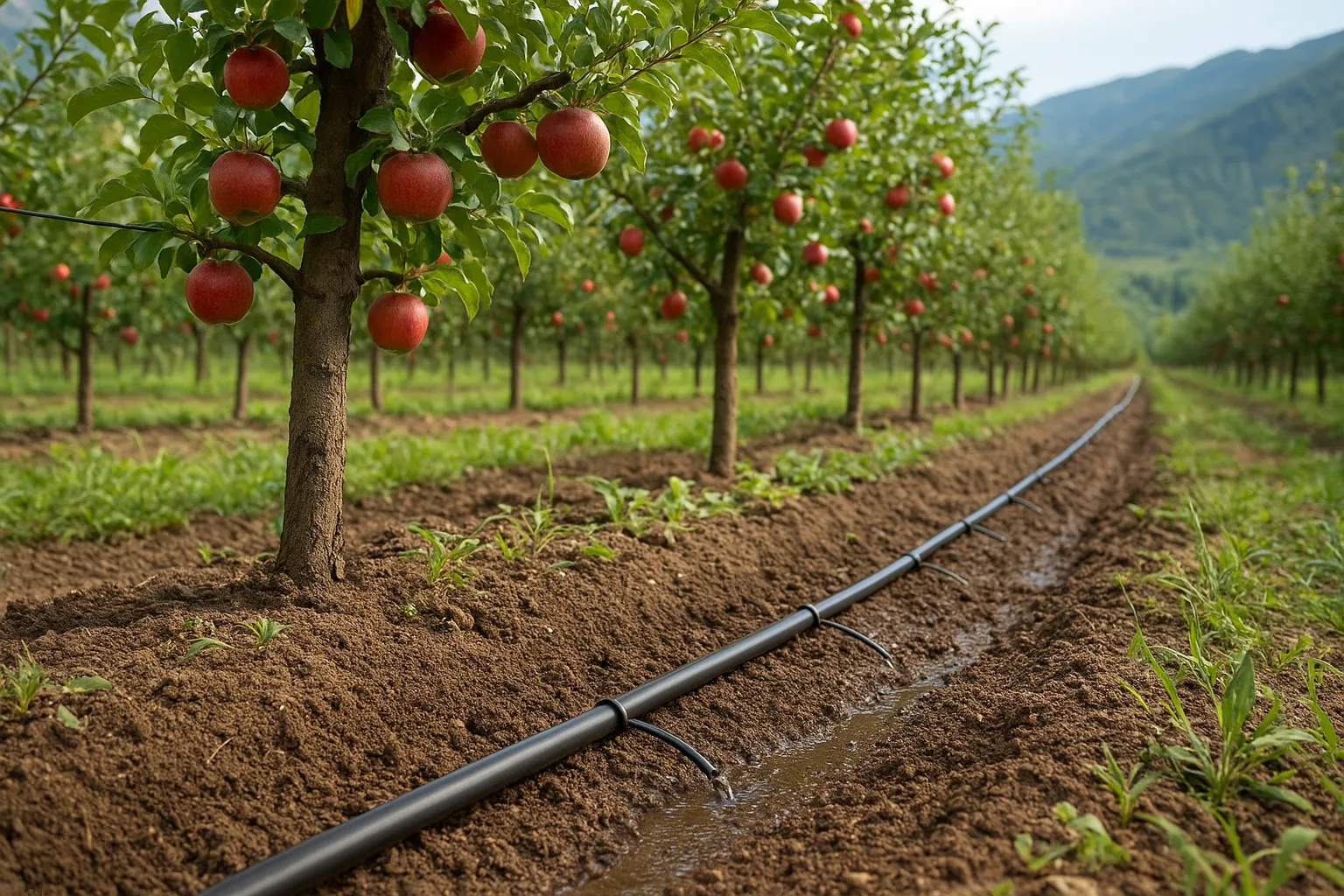
By the end of the twentieth century, the face of Una’s agriculture had changed again. The construction of the Bhakra Canal system to the south and the increasing use of shallow and deep tube wells brought a measure of water security. The state government, recognizing the risks of groundwater depletion, promoted micro-irrigation and rainwater harvesting schemes in the 1990s. Demonstration projects at the Krishi Vigyan Kendra in Una town showcased drip irrigation for vegetables and orchards—technologies that would slowly gain acceptance among progressive farmers.
Meanwhile, the introduction of improved dairy breeds and poultry farming diversified rural incomes. Local women, organized into self-help groups, began to supplement family earnings with backyard dairy, tailoring, and small-scale food processing. The bustling markets of Una town and Amb started to see produce from these enterprises, signaling a shift from subsistence to market-oriented agriculture.
Challenges of the New Millennium
Despite progress, Una’s rural economy faces new uncertainties. Climate change has brought more erratic rainfall, with both droughts and sudden downpours becoming more common. Smallholder farmers, who still constitute the majority, remain vulnerable to crop failures and fluctuating market prices. Migration, especially among the youth, has altered village demographics, leaving many fields to be tended by the elderly.
Yet, there are signs of renewal. Government programs encourage organic farming and the cultivation of high-value crops such as ginger, garlic, and medicinal plants. Farmer Producer Organizations are gaining traction, enabling collective bargaining and better access to markets. The rise of digital platforms allows even remote villages to access weather forecasts, agricultural advisories, and real-time commodity prices.
The Living Legacy: Fields of Memory and Ambition
Walking through the fields near Bangana or Bathri at sunset, the past and present of Una’s agricultural story are everywhere visible. The old stone-lined wells, relics of pre-independence days, stand beside solar-powered pumps and plastic-lined ponds. In the villages, stories of hardship and innovation intermingle: of the year the Swan ran dry, of a new rice variety that saved a harvest, of community feasts after a bumper crop.
Village elders like Sant Ram recall the days when oxen were the only draft power and every seed saved mattered. Younger farmers, like Poonam Devi, talk of WhatsApp groups for pest alerts and the promise of government support for organic certification. The contrast is not one of nostalgia versus modernity, but of continuity and adaptation—of a rural economy shaped by history, yet open to the future.
Reflections: The Swan’s Gift
Much has changed since the first canals were dug along the Swan. Una’s fields are no longer at the mercy of the monsoon alone, and its rural economy, while challenged, shows remarkable resilience. The interplay of tradition and innovation—visible in irrigation channels, cooperative societies, and the everyday lives of farmers—has created a unique agricultural landscape.
Today, the story of agriculture, irrigation, and rural life in Una is one of survival, reinvention, and hope. The Swan river, once feared for its floods, now nourishes not just crops, but a community that draws strength from its history. As Una continues to evolve, those early morning scenes—of farmers bent over lush fields, the river flowing quietly by—remain the enduring heart of its rural identity.
Previous: Industrial and Economic Growth in Modern Una
Next: Urban Development and Infrastructure in Una Town