
Series: The UK Allotment Year
Phase 2: Crop-Specific Growing Guides — Part 21 of 50
This section covers how to grow common UK allotment crops — from potatoes to herbs and soft fruits — including soil tips, spacing, pest control, and harvesting advice.
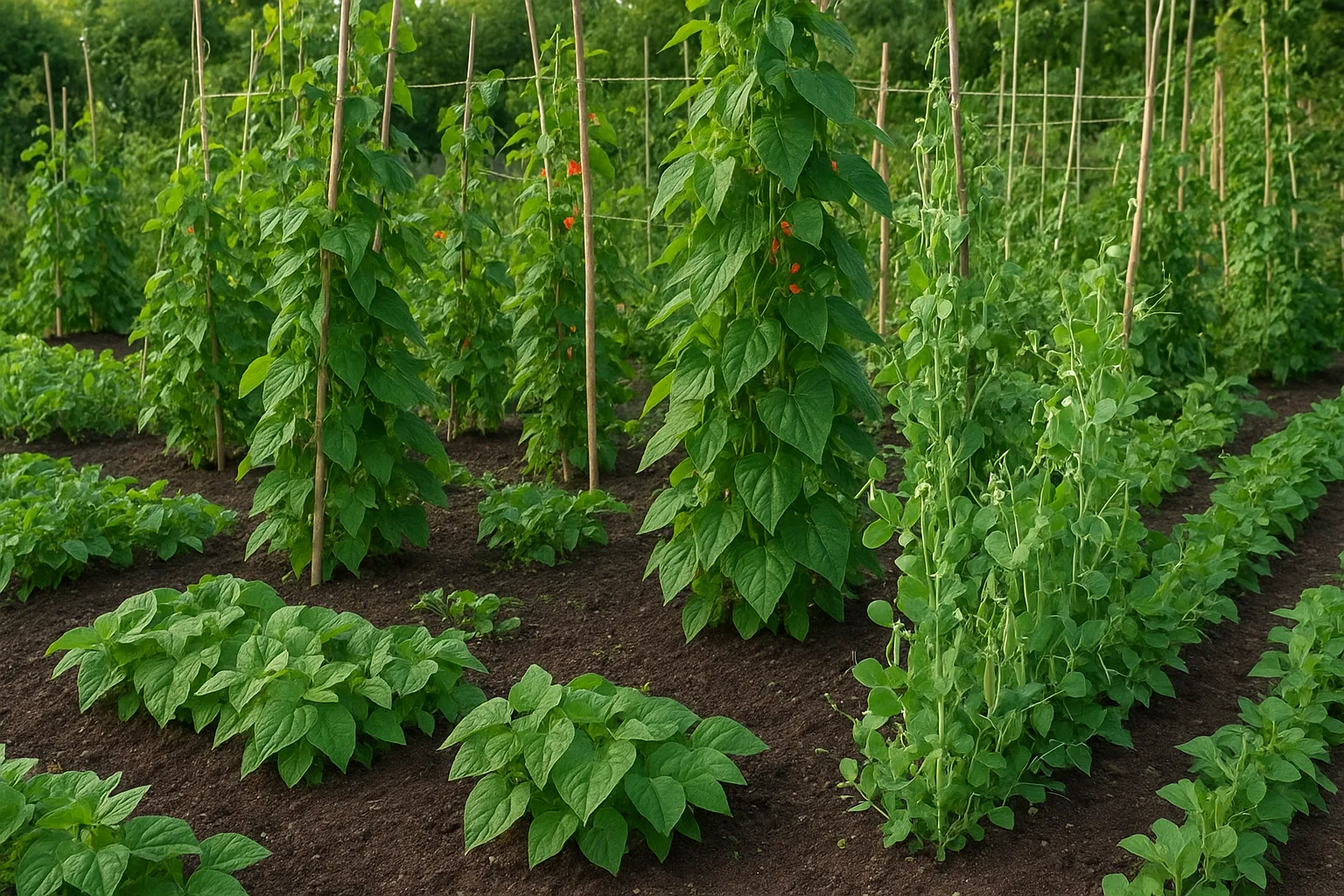
Beans and Peas: Climbing, Dwarf, and Heritage Varieties
Spring is well underway on UK allotments, and it’s the perfect time to focus on beans and peas. These crops are not only rewarding and productive but also bring variety to your plot with climbing, dwarf, and heritage types. Whether you’re a beginner or a seasoned grower, understanding the right varieties, timing, and care will set you up for a bountiful harvest through summer and into autumn.
Why Grow Different Types of Beans and Peas?
Beans and peas are versatile legumes that fix nitrogen in the soil, improving fertility for following crops. Climbing varieties make excellent use of vertical space, dwarf types suit compact plots, and heritage varieties offer unique flavours and textures often missing in modern hybrids. Growing a mix can extend your harvest season and add interest to your allotment.
Key Tasks and Steps for Growing Beans and Peas
1. Choose Your Varieties Wisely
- Climbing Beans: Runner beans are the classic UK climbing bean. They need sturdy supports like poles or wigwams and can produce heavily from mid-summer.
- Dwarf Beans: These include French and bush beans. They don’t climb, so no support needed, but they tend to have a shorter harvest window.
- Heritage Peas: Varieties like ‘Telegraph’ or ‘Mammoth Melting’ are old favourites with rich flavour. Some heritage peas climb, so check their growth habit.
2. Timing Your Sowings
- Peas can be sown in early spring (March to April), as soon as soil is workable and frost risk lowers.
- Runner beans are frost-sensitive and best sown from late May to early June, either directly in the ground or in pots for transplanting.
- Dwarf beans follow similar timing to runners but can sometimes be sown slightly earlier if soil warms.
3. Preparing the Soil
- Beans and peas prefer well-drained, fertile soil with plenty of organic matter.
- Work in garden compost or well-rotted manure the autumn before or early spring.
- Avoid high nitrogen fertilisers; legumes fix their own nitrogen.
4. Providing Support
- Climbing beans and peas need support structures such as cane wigwams, trellis netting, or string lines.
- Install supports before sowing or transplanting to avoid root disturbance later.
- Dwarf varieties do not require support and are ideal for small spaces or containers.
5. Sowing and Planting
- Sow seeds 2.5–5cm deep, spacing depends on variety but generally 10–15cm apart for beans, 5–7.5cm for peas.
- For early peas, soak seeds overnight to encourage quicker germination.
- Water well after sowing but avoid waterlogging.
6. Watering and Feeding
- Keep soil evenly moist, especially during flowering and pod development.
- Use organic mulches like straw or leaf mould to conserve moisture and suppress weeds.
- Side-dress with a balanced organic fertiliser if growth appears weak, but avoid excess nitrogen.
7. Pest and Disease Management
- Encourage beneficial insects by planting companion flowers such as marigolds or nasturtiums nearby.
- Watch for aphids, blackfly, and pea moth; remove affected leaves or spray with organic insecticidal soap if needed.
- Rotate bean and pea crops yearly to reduce soil-borne diseases.
8. Harvesting
- Pick peas when pods are well-filled but still tender—taste test pods regularly.
- Runner beans should be harvested young and tender to avoid tough strings.
- Dwarf beans are best picked when pods are crisp and before seeds swell too much.
- Frequent harvesting encourages further production.
Quick Checklist for Growing Beans and Peas
- Choose suitable varieties for your plot and season.
- Prepare soil with organic matter and avoid high nitrogen fertilisers.
- Install supports early for climbing types.
- Sow seeds at correct depth and spacing according to variety.
- Water evenly and mulch to conserve moisture.
- Monitor for pests and diseases; use organic controls.
- Harvest regularly for best yield and ongoing production.
Common Mistakes to Avoid
- Sowing too early or late: Peas can tolerate a light frost but beans are frost-sensitive; planting too early risks seed rot or poor germination.
- Lack of support for climbers: Without sturdy supports, climbing beans can sprawl on the ground, reducing yield and inviting pests.
- Over-fertilising with nitrogen: Excess nitrogen encourages lush leafy growth but fewer pods.
- Ignoring watering needs: Beans and peas suffer in dry spells, especially during flowering and pod setting.
- Harvesting too late: Over-mature pods become tough and fibrous, reducing eating quality.
Tools and Materials to Have Ready
- Garden fork or spade for soil preparation
- Canes, twine, or trellis netting for climbing supports
- Watering can or hose with gentle spray
- Organic compost or well-rotted manure
- Mulch materials such as straw or leaf mould
- Hand fork or hoe for weed control
- Organic insecticidal soap or neem oil (optional)
Next Actions for This Month
- Prepare your soil now with organic matter to ensure it’s ready for sowing peas and early beans.
- Sow hardy peas outdoors from March onwards as soon as soil is workable.
- Install supports in your chosen bean and pea area to save time later.
- Plan succession sowings of beans through May and June to extend harvest.
- Keep an eye on weather forecasts and protect young seedlings from late frosts if necessary.
By following these straightforward steps and paying attention to timing and care, you’ll enjoy a healthy and plentiful crop of beans and peas this season. Remember, growing a mixture of climbing, dwarf, and heritage varieties makes the most of your allotment space and adds exciting flavours to your summer meals. Happy growing!
Previous: Soft Fruit Success: Raspberries, Gooseberries, and Blackcurrants
Next: Allotment Flowers for Pollinators and Colour