
Series: The UK Allotment Year
Phase 2: Crop-Specific Growing Guides — Part 22 of 50
This section covers how to grow common UK allotment crops — from potatoes to herbs and soft fruits — including soil tips, spacing, pest control, and harvesting advice.
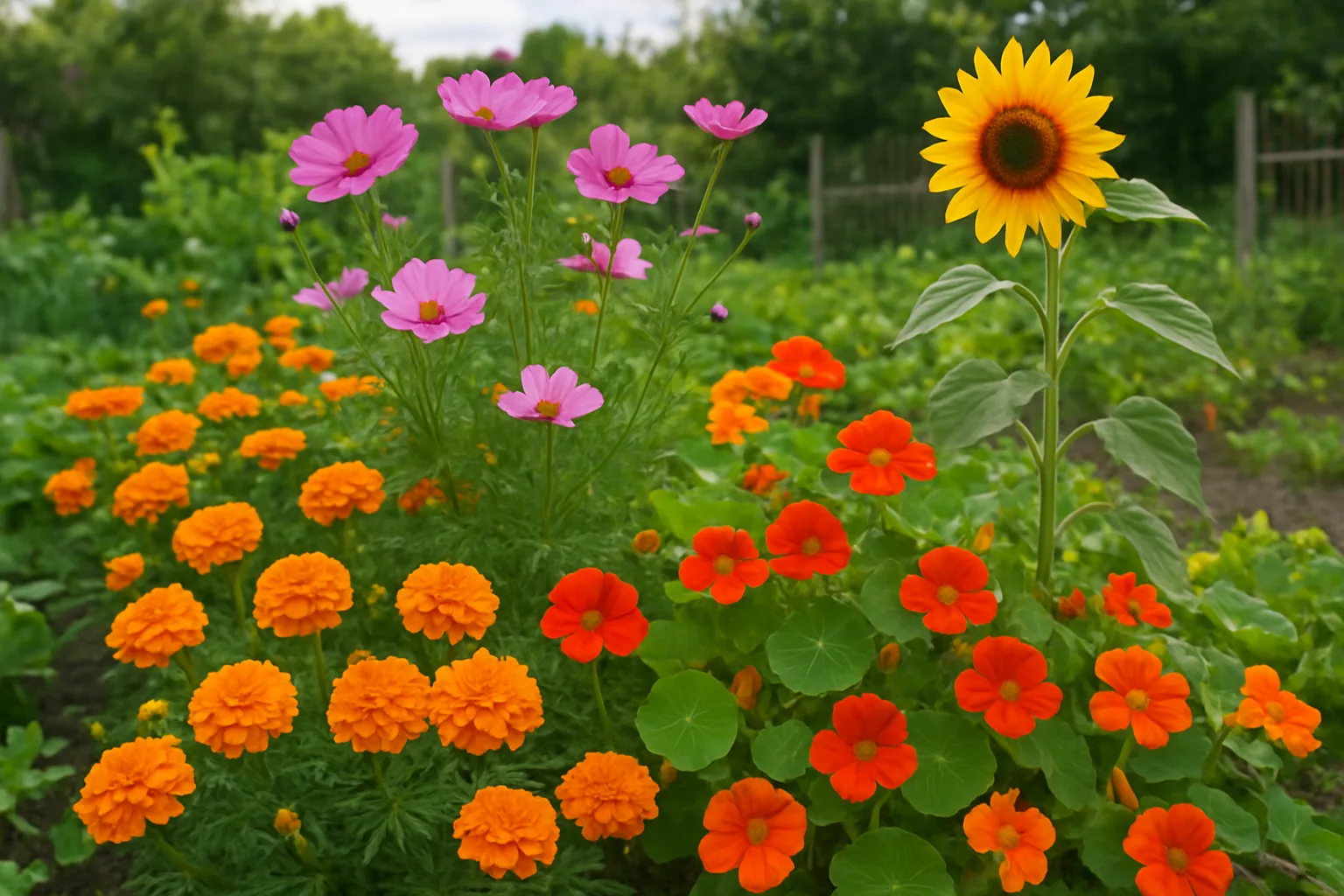
Allotment Flowers for Pollinators and Colour
Spring is well underway on UK allotments, and now is the perfect time to think about planting flowers that will not only bring a splash of colour to your plot but also support pollinators vital to a healthy garden ecosystem. Bees, butterflies, hoverflies and other beneficial insects rely on a steady supply of nectar and pollen, and by planting the right flowers at the right time, you’ll help boost your crop yields and create a lively, buzzing allotment.
Why Flowers for Pollinators Matter on Your Allotment
Pollinators play a crucial role in fruit and vegetable production by transferring pollen from flower to flower, enabling plants to set seed and fruit. Without them, many crops would fail or produce poorly. Including pollinator-friendly flowers throughout your allotment ensures these helpers have food and shelter year-round, increasing biodiversity and reducing pest problems naturally.
Key Tasks for Planting Allotment Flowers for Pollinators
- Choose a mix of native and beneficial flowers: Aim for a variety of shapes, sizes and colours to attract a wide range of pollinators. Good UK favourites include lavender, borage, foxgloves, cosmos, marigolds, and calendula.
- Plan your flower borders or interplant among crops: Plant flowers along paths, edges or as companion plants within vegetable beds to create continuous forage for insects.
- Sow hardy annuals and perennials in early spring: From March to April is the best time to sow seeds directly into prepared soil or seed trays for later transplanting.
- Use organic, well-drained soil enriched with compost: Healthy soil encourages strong flowering plants. Avoid synthetic fertilisers that can harm pollinators.
- Water newly sown seeds and young plants gently but consistently: Keep soil moist, especially during dry spells, to ensure good germination and establishment.
- Deadhead flowers regularly: Removing spent blooms encourages longer flowering periods, providing more nectar and pollen.
- Provide shelter and water for pollinators: Leave some areas of bare soil or create bee hotels, and place shallow water dishes with stones for insects to land on.
Seasonal Timing and Care throughout the Year
- Spring (March–May): Sow hardy annuals like cornflowers, calendula and borage. Plant perennials bought as plugs or young plants, such as foxglove and catmint.
- Summer (June–August): Continue deadheading and watering regularly. Sow fast-growing annuals like cosmos for late summer colour.
- Autumn (September–October): Plant bulbs such as crocus and snowdrops to provide early nectar for emerging pollinators.
- Winter (November–February): Prepare soil by adding organic matter and plan next year’s flower areas. Leave seed heads and stems standing in sheltered spots to provide winter food and nesting for insects.
Tools and Materials to Have Ready
- Hand fork and trowel for soil preparation and planting
- Watering can or hose with gentle spray
- Compost and organic soil improvers
- Seed trays and pots for starting seeds indoors
- Pruners or scissors for deadheading
- Mulch (e.g., well-rotted bark or straw) to retain moisture and suppress weeds
- Materials to build simple bee hotels (bamboo canes, wood blocks with holes)
Quick Checklist for Pollinator-Friendly Flowers
- Choose a variety of flower species and colours
- Sow hardy annuals early in spring
- Plant perennials as young plants
- Prepare soil with organic matter
- Water regularly and mulch to retain moisture
- Deadhead spent flowers to prolong blooms
- Provide shelter and water for pollinators
Common Mistakes to Avoid
- Planting flowers that do not flower for long or provide little nectar: Avoid purely ornamental varieties with double petals that can’t provide pollen.
- Using chemical pesticides or herbicides: These harm pollinators directly or reduce their food sources.
- Neglecting to water young plants: Dry soil can prevent seedling establishment.
- Planting flowers too densely without air circulation: This increases risk of disease.
- Clearing all plant debris in autumn: Leaving some seed heads and stems provides winter food and habitat.
Next Steps for This Month
March and April are ideal months to prepare your allotment flower areas. Start by clearing weeds and digging in plenty of organic compost. Choose your seeds and order or collect plug plants early. Sow hardy annual seeds directly where you want them to grow or start them indoors if your plot is cold. Set up watering routines and gather materials for creating simple pollinator shelters. By taking these steps now, you’ll enjoy a buzzing, colourful allotment that supports pollinators and improves your vegetable and fruit harvests through the summer and beyond.
Happy planting and long live the pollinators!
Previous: Beans and Peas: Climbing, Dwarf, and Heritage Varieties
Next: How to Start a No-Dig Allotment: Tools and First-Year Results