
Series: History of Lahaul & Spiti, Himachal Pradesh, India
Phase 4: British Period — Part 18 of 30
This article is part of a wider series tracing the transformation of the western Himalayas under colonial influence. As British authority extended into the hills, existing political systems were restructured through treaties, administration, and new forms of governance. This phase considers how colonial rule reshaped society, economy, and space while leaving lasting imprints on local identity.
Across the Mountain Pass: 1846, A Borderland Unfolds
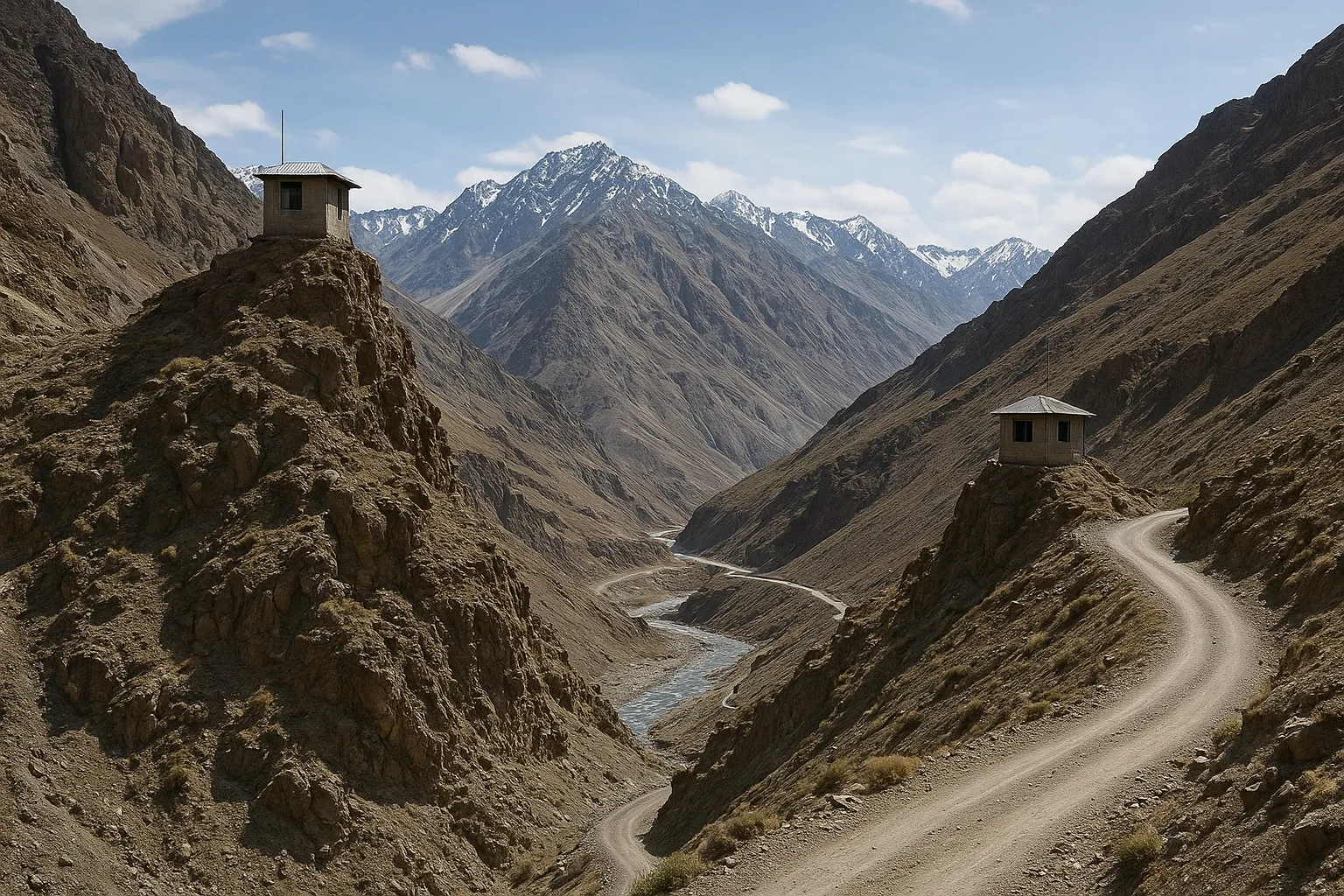
The wind howled over the Kunzum Pass, swirling snow across a narrow track barely etched into the stone. Below, the valleys of Lahaul and Spiti lay in silent, glacial repose—untouched by the world beyond. In the spring of 1846, a British political officer, wrapped in layers against the biting cold, surveyed this stark landscape. His mission was simple on paper: formalize British control after the First Anglo-Sikh War. In practice, the journey exposed him to a world where isolation was both a way of life and a barrier few outsiders dared cross.
Historical Anchor: A Frontier Between Worlds
For centuries, Lahaul and Spiti existed on the periphery of empires. Oral traditions, still recounted in village gatherings, describe ancient migration routes, legendary visits from Buddhist saints, and the founding of monasteries like Tabo and Key. Local mythology paints these valleys as sanctuaries of wisdom and hardship, where gods and demons shaped the land. But when the British annexed territories north of the Sutlej after 1846, they encountered more than ancient stories—they faced the reality of a region defined by inaccessibility and autonomy.
Communities at the Edge: Peoples and Belief Systems
Documented accounts from colonial gazetteers and travelers like A.H. Francke reveal how Lahaul and Spiti’s small, tightly knit communities weathered the elements and isolation. The Lahaulis, with their mixed Dardic, Tibetan, and Indo-Aryan roots, inhabited villages strung along the Chandra and Bhaga rivers. Their kinship networks were reinforced by polyandrous marriage customs and agricultural cycles tied to the short summer. Across the Kunzum, Spiti’s villages clustered around Buddhist monasteries, their faith shaped by centuries of Tibetan influence. Monks preserved ancient texts, while villagers recited tales of the early kings of Zhangzhung and the arrival of the great teacher Rinchen Zangpo.
Yet, these cultural worlds—Lahaul’s syncretic Hindu-Buddhist beliefs and Spiti’s deep-rooted Tibetan Buddhism—shared more than faith. Both were shaped by the need for mutual aid, resourcefulness, and resilience in a land where even the British found their writ hard to enforce.
Trade Routes and Early Hill States: A Shifting Mosaic
Long before the Raj, Lahaul and Spiti were crossroads on the high-altitude trade routes between Ladakh, Tibet, and the Indian plains. Caravans of salt, wool, and barley traversed the passes, linking the valleys to distant markets. Oral histories recount how traders braved blizzards and bandits, guided by the rhythmic prayers of Buddhist lamas or the blessings of local deities. Political rule, according to the earliest chronicles and the Imperial Gazetteer of India, shifted hands between the kings of Ladakh, the rulers of Kullu, and even the distant suzerainty of Tibet. Yet, the valleys’ remoteness often left them self-governed, their loyalties shaped more by kinship and custom than imperial decree.
British Encounters: Policy, Suspicion, and Administrative Distance
With the formation of the Punjab Province and the annexation of trans-Sutlej hill states, the British found themselves responsible for a region they scarcely understood. Early reports described Spiti as “a land of snow and silence,” its people viewed with a mix of anthropological curiosity and administrative exasperation. The British, wary of Russian ambitions in Central Asia, declared Lahaul-Spiti a restricted zone. Foreigners needed special permits to enter; even Indian travelers from the plains faced questioning at checkpoints.
District officers rarely visited except in the brief summer, when melting snow made the passes passable. Local headmen—the nambardars—became intermediaries, reporting on tax collection and local disputes but largely left to maintain their own order. The colonial administration issued directives but seldom enforced them. In effect, British policy deepened the valleys’ isolation, making travel, trade, and communication even harder than before.
Oral Tradition vs. Colonial Records
Villagers in Lahaul still recount tales of the sarkari sahib who arrived with fanfare, only to flee the first snows. Oral traditions remember both the anxiety and amusement such visits provoked. Yet, the written records—district reports and gazetteers—reveal a pattern of benign neglect. Lahaul and Spiti were administered as part of the larger Kangra district, then later merged with Kullu. But the British rarely intervened in matters of local governance, content to let the valleys remain as buffer zones between British India and Tibet.
The Burden and Shelter of Isolation
For the peoples of Lahaul and Spiti, the British period brought paradoxical effects. On one hand, restricted access preserved local autonomy, customs, and religious life. The monasteries continued to flourish; polyandry and communal land rights persisted in defiance of colonial norms. On the other hand, isolation became a shackle. Trade with Tibet and Ladakh declined as borders hardened. Medical care, education, and new technologies arrived slowly, if at all. During famines or epidemics, help from the outside world was often too little, too late.
Some communities adapted by sending young men to serve as porters or soldiers in British expeditions to Ladakh and beyond. Others relied on the seasonal migrations of shepherds who crossed into Kullu for supplies. Yet, the valleys’ identity as remote, self-reliant mountain societies became more entrenched under British rule than ever before.
Legacies: A Mountain World Apart
As the twentieth century dawned, the British continued to treat Lahaul and Spiti as a distant frontier—useful as a buffer, valued for their strategic passes, but otherwise left to their own devices. It was only after India’s independence that roads, schools, and regular administration began to reach the valleys. But the legacy of colonial isolation persisted: in the pride villagers feel for their traditions, in the endurance of polyandry and communal customs, and in the continued sense of being “a world apart.”
Today, the memories of restricted access and isolation remain etched in the stories told in Lahauli and Spitian homes. The mountains that once shielded the valleys from outside influence continue to shape their sense of resilience and distinctiveness. In the next part of this series, we will trace how the opening of roads and the gradual integration into the modern Indian state began to transform these secluded valleys—a new chapter where isolation gave way to unprecedented change.
Previous: Colonial Administration and Border Policies
Next: Life of Tribal Communities Under Colonial Oversight