
Series: Finance for Kids
Phase 13: Resources, Environment & Society — Part 158 of 166
Why Savings Are Important
Teaching children about saving money is crucial for their future. When kids understand the importance of saving, they can prepare for unexpected expenses, reach their goals, and learn to manage their finances wisely. Let’s explore why saving is essential and how you can help your child start their savings journey.
Understanding Needs vs. Wants
Before diving into savings, it’s important for kids to understand the difference between needs and wants.
- Needs: These are things we must have to live, like food, shelter, and clothes.
- Wants: These are things that make life enjoyable but aren’t necessary, like toys, games, or going out for ice cream.
When children learn to identify their needs, they can see how saving money can help them meet those essential requirements in the future.
Why Save for Future Needs?
Here are some important reasons why saving is beneficial:
- Emergency Fund: Life can be unpredictable. Saving helps prepare for emergencies like a broken toy or unexpected school trip costs.
- Goals: Saving allows children to reach their goals, whether it’s buying a new bicycle, a video game, or a special gift for a friend.
- Financial Independence: By saving, children learn to rely on themselves and make choices about their money. This fosters a sense of responsibility.
How to Help Kids Start Saving
You might be wondering how to encourage your child to save. Here are some practical steps you can take together:
- Set a Savings Goal: Help your child decide what they want to save for. A clear goal makes saving more exciting. For example, if they want a new toy, help them calculate how much they need to save each week.
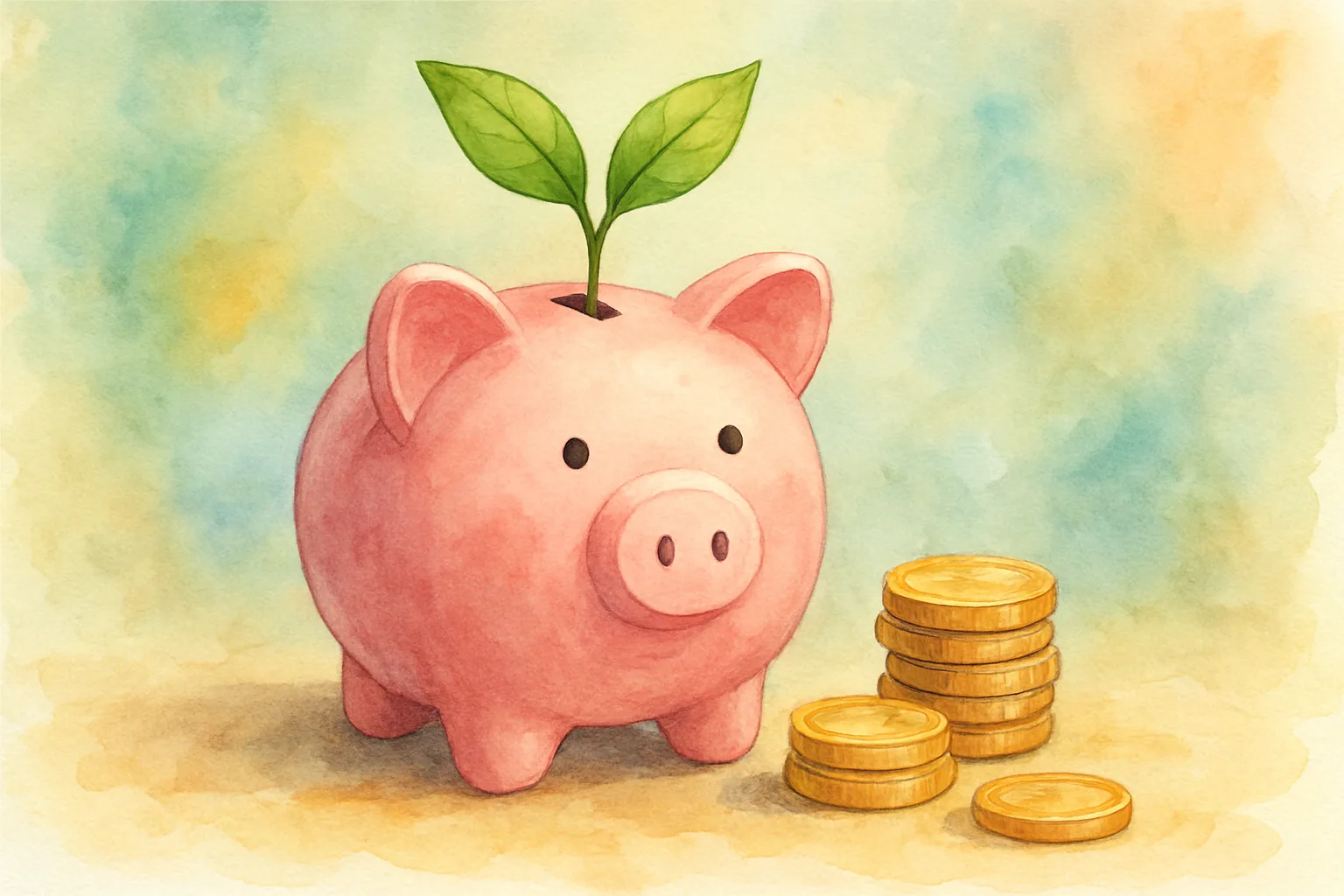
- Create a Savings Jar: Use a clear jar or a piggy bank to collect money. This visual representation of their savings can motivate them to keep adding to it.
- Make it a Habit: Encourage your child to save a portion of their allowance or any money they receive. A simple rule could be saving half and spending half.
- Celebrate Milestones: Celebrate when they reach their savings goals. This can be a fun way to acknowledge their hard work and motivate them for future savings.
Everyday Examples of Saving
Relating savings to everyday experiences can help children understand its importance. Here are some examples:
- Birthday Money: If your child receives money for their birthday, discuss how saving a portion of it can help them buy something bigger later.
- Chores and Allowance: If they earn money from chores, encourage them to set aside some of it for future needs.
- Seasonal Savings: Teach them to save for seasonal events, like holidays or summer camps, by putting aside a little money each month.
Myths About Saving
Sometimes, people believe certain myths about saving money that can hold them back. Here are a few common ones:
- Myth 1: Saving is only for adults. Fact: Kids can and should start saving early to learn good habits.
- Myth 2: You need a lot of money to save. Fact: Saving even small amounts regularly can add up over time.
- Myth 3: If you spend your money quickly, you will be happier. Fact: Delayed gratification from saving can lead to even more happiness when you achieve your goals.
Concluding Thoughts
Teaching kids about saving helps them understand its importance and prepares them for future needs. By setting goals, creating savings habits, and debunking myths, you can empower your children to take charge of their finances. Remember, the earlier they start saving, the better prepared they will be for their financial future!
This article provides general educational information only and is not financial advice. Always seek guidance from a qualified professional for personal financial decisions.
Previous: Teaching Kids the Importance of Passing Down Knowledge
Next: Using Family Stories to Teach Money Lessons