
Series: Finance for Kids
Phase 13: Resources, Environment & Society — Part 153 of 166
How to Talk About Unexpected Expenses With Children
Unexpected expenses can happen to anyone at any time. Whether it’s a broken toy, a sudden school trip, or a car repair, these surprises can be a bit overwhelming. As parents and educators, it’s important to help children understand how to deal with these unexpected costs. This article will guide you on how to talk about unexpected expenses with your children. Together, you can learn valuable lessons about money management!
Why Talk About Unexpected Expenses?
Having open conversations about money, including unexpected expenses, helps children become financially aware and responsible. It prepares them to handle financial surprises in the future. By discussing these topics, you’ll help them develop problem-solving skills and understand the importance of planning.
Steps to Talk About Unexpected Expenses
1. Start with Relatable Examples
Begin by sharing simple examples of unexpected expenses that they might relate to. For instance, you could say:
- “Do you remember when my phone broke and I had to buy a new one?”
- “What about the time we had to pay for your school trip unexpectedly?”
- “Sometimes, when I drive the car, I have to pay for petrol or repairs. That can be surprising!”
These examples make the conversation more engaging and relatable.
2. Explain What Unexpected Expenses Are
Help your child understand the concept of unexpected expenses. Explain that these are costs we didn’t plan for. You might say, “Sometimes things happen that we don’t expect, and we need to spend money we hadn’t planned to spend. It’s like finding a surprise in your pocket but not always a happy one!”
3. Discuss the Importance of Saving
Talk about how savings can help manage unexpected expenses. You could explain, “When we save money, it’s like putting away a little surprise for later! If something unexpected happens, we have money to help us. Saving helps us feel more secure.”
4. Encourage Problem-Solving
Engage your child in thinking about solutions for unexpected expenses. Ask questions like:
- “If we suddenly have to pay for something, what could we do?”
- “How can we save money for those surprises?”
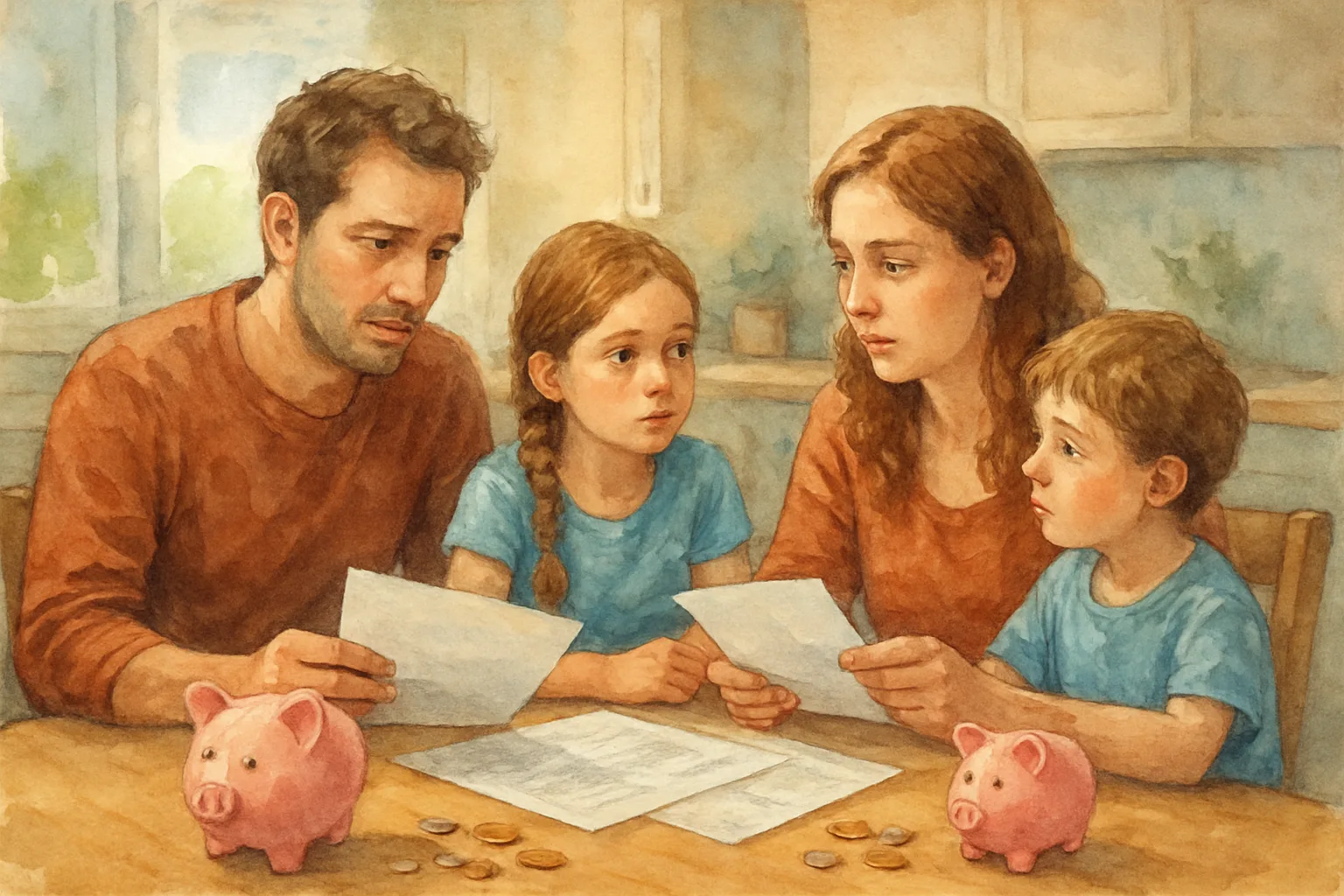
Encouraging them to think critically helps them develop a practical mindset. You might suggest starting a small savings jar for unexpected expenses.
5. Role-Play Scenarios
Make learning fun by creating role-play scenarios. For example, pretend your child has a toy that breaks, and they need to decide how to handle the situation. You can guide them through options such as:
- Using their savings to buy a new toy.
- Fixing the toy instead of buying a new one.
- Waiting to buy the toy until they have saved enough money.
Role-playing allows them to practice decision-making in a safe environment.
6. Share Stories of Your Own Experiences
Sharing your own experiences with unexpected expenses can make the lessons more relatable. You might say:
“When I was younger, I had to pay for a surprise school trip. I didn’t have enough money saved, so I had to think of ways to earn it. I sold lemonade and did extra chores!”
These stories can inspire your child and show them that everyone encounters unexpected costs.
Common Myths About Unexpected Expenses
Myth 1: Only Adults Face Unexpected Expenses
Many children believe that only adults deal with unexpected costs. In truth, kids can face unexpected expenses too, like needing to buy a new school uniform or paying for an extra-curricular activity.
Myth 2: Unexpected Expenses Are Always Bad
Some children may think that unexpected expenses are always negative. However, they can also lead to positive experiences, such as learning a new skill or going on a fun trip!
Myth 3: You Can’t Prepare for Unexpected Expenses
While it’s true that some expenses are surprising, having a savings plan helps. Even small amounts add up over time and can lessen the impact of unexpected costs.
Conclusion
Talking about unexpected expenses with children is essential for their financial education. By using relatable examples and engaging them in problem-solving, you can help them build confidence in managing money. Remember, the more you talk about money matters, the better prepared they will be for the future!
This article provides general educational information only and is not financial advice. Always seek guidance from a qualified professional for personal financial decisions.
Previous: Introducing Kids to the Concept of Insurance (Simple Version)
Next: Explaining Why Pets and Vehicles Cost Money to Maintain