
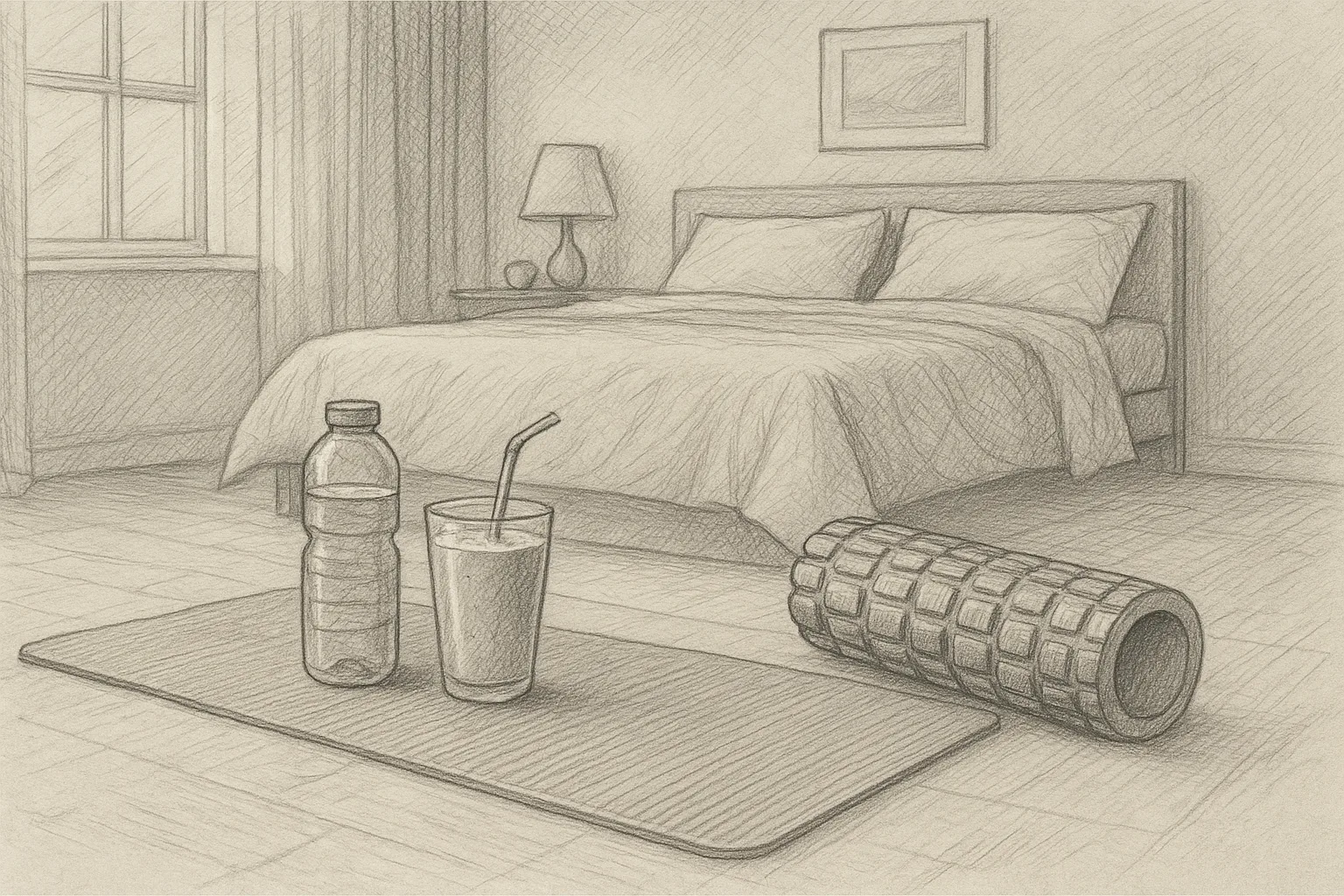
Simple Recovery Habits to Support an Active Lifestyle
Living an active lifestyle is fantastic for your overall health and wellbeing. Whether you enjoy walking, cycling, yoga, or hitting the gym, staying active helps improve your mood, strength, and energy. However, recovery is just as important as exercise itself. Giving your body the right care after physical activity helps reduce fatigue, prevent injury, and improve your performance over time.
Here are some simple, sustainable recovery habits that can support your active lifestyle and keep you feeling your best.
1. Prioritise Quality Sleep
Sleep is often called the body’s natural recovery process—and for good reason. During sleep, your muscles repair, your brain processes information, and your energy stores are replenished.
- Stick to a routine: Try to go to bed and wake up at consistent times, even on weekends.
- Create a restful environment: Keep your bedroom cool, dark, and quiet, and limit screen time before bed to help improve sleep quality.
- Aim for 7-9 hours: Most adults benefit from this range for optimal recovery and alertness.
2. Stay Hydrated
Water plays a key role in muscle recovery and overall bodily functions. Dehydration can cause fatigue and reduce your physical performance.
- Drink regularly: Sip water throughout the day rather than chugging large amounts at once.
- Before, during, and after exercise: Make hydration part of your routine to replace fluids lost through sweat.
- Listen to your body: Thirst is a useful indicator, but if you feel tired or have headaches, it could be a sign to drink more.
3. Incorporate Gentle Movement
While rest is important, complete inactivity can sometimes slow recovery. Gentle movement encourages blood flow, which helps clear waste products from muscles and brings in nutrients for repair.
- Try light stretching: After exercise or during rest days, simple stretches can ease muscle tightness.
- Go for a walk: A casual stroll can stimulate circulation without overexerting your body.
- Use active recovery days: Plan low-intensity activities like swimming or yoga to stay moving without strain.
4. Nourish Your Body Thoughtfully
What you eat plays a vital role in how well you recover. Nutrients like protein, healthy fats, and carbohydrates support muscle repair and replenish energy stores.
- Include protein: Foods like lean meats, beans, lentils, eggs, dairy, or plant-based alternatives support muscle recovery.
- Choose whole carbs: Whole grains, fruits, and vegetables provide sustained energy and important vitamins.
- Don’t forget healthy fats: Nuts, seeds, avocado, and olive oil contribute to overall health and inflammation control.
- Timing matters: Eating a balanced meal or snack within a couple of hours after activity can help replenish glycogen and repair muscles.
5. Practice Mindful Relaxation Techniques
Stress can hinder your recovery by interfering with sleep and increasing muscle tension. Mindful relaxation helps calm your nervous system and promotes healing.
- Try deep breathing: Simple breathing exercises can reduce stress and muscle tightness.
- Consider meditation or mindfulness: These practices can improve mental wellbeing and make recovery feel more restorative.
- Use progressive muscle relaxation: This technique involves tensing and relaxing muscle groups to ease tension.
6. Use Practical Recovery Tools
There are a few tools that can help boost recovery when used carefully and appropriately.
- Foam rolling: Self-massage with a foam roller can help release muscle knots and improve blood flow.
- Cold or warm baths: Some people find alternating between warm and cold water helps reduce soreness—however, this is very individual.
- Comfortable footwear and supportive gear: Reducing strain during activities helps prevent overuse injuries and supports recovery.
Common Myths About Recovery
It’s easy to get confused by the many ideas about recovery. Here are some common myths and the facts behind them:
- Myth: You need to rest completely after every workout. Fact: While rest is important, light activity on rest days can actually help your muscles recover.
- Myth: Stretching before exercise prevents all injuries. Fact: Stretching is helpful for flexibility but isn’t a guarantee against injury. Warm-ups and proper technique are equally important.
- Myth: Drinking lots of protein shakes speeds up recovery. Fact: Protein is important, but whole foods provide a better balance of nutrients. Recovery depends on overall diet and rest, not just protein intake.
- Myth: Pain after exercise always means you’ve harmed your body. Fact: Mild muscle soreness is normal, especially when trying new activities. Sharp or lasting pain should be checked by a professional.
Step-by-Step: Creating Your Personal Recovery Routine
- Plan your sleep: Set regular bedtimes and create a relaxing pre-sleep routine.
- Hydrate consistently: Carry a water bottle and set reminders if needed.
- Schedule active recovery: Include light movement on rest days to encourage circulation.
- Prepare balanced meals: Focus on including protein, carbohydrates, and fats, especially after exercise.
- Incorporate relaxation: Try simple breathing exercises or mindfulness for 5–10 minutes daily.
- Use recovery tools mindfully: Foam roll after workouts or enjoy warm baths if they feel good.
- Listen to your body: Adjust your routine based on how you feel and progress.
Conclusion
Supporting your active lifestyle with simple recovery habits can make a big difference in how you feel and perform. Prioritising quality sleep, staying hydrated, nourishing your body, and incorporating gentle movement are all achievable, sustainable steps. Remember to balance effort with rest and treat recovery as an essential part of your routine—not an afterthought. Over time, these habits will help you enjoy your activities more and reduce the risk of injury or burnout.
This article provides general educational information only and is not a substitute for professional medical advice. Always consult a qualified healthcare professional for personal guidance.