
Series: Finance for Kids
Phase 10: Giving & Values — Part 111 of 166
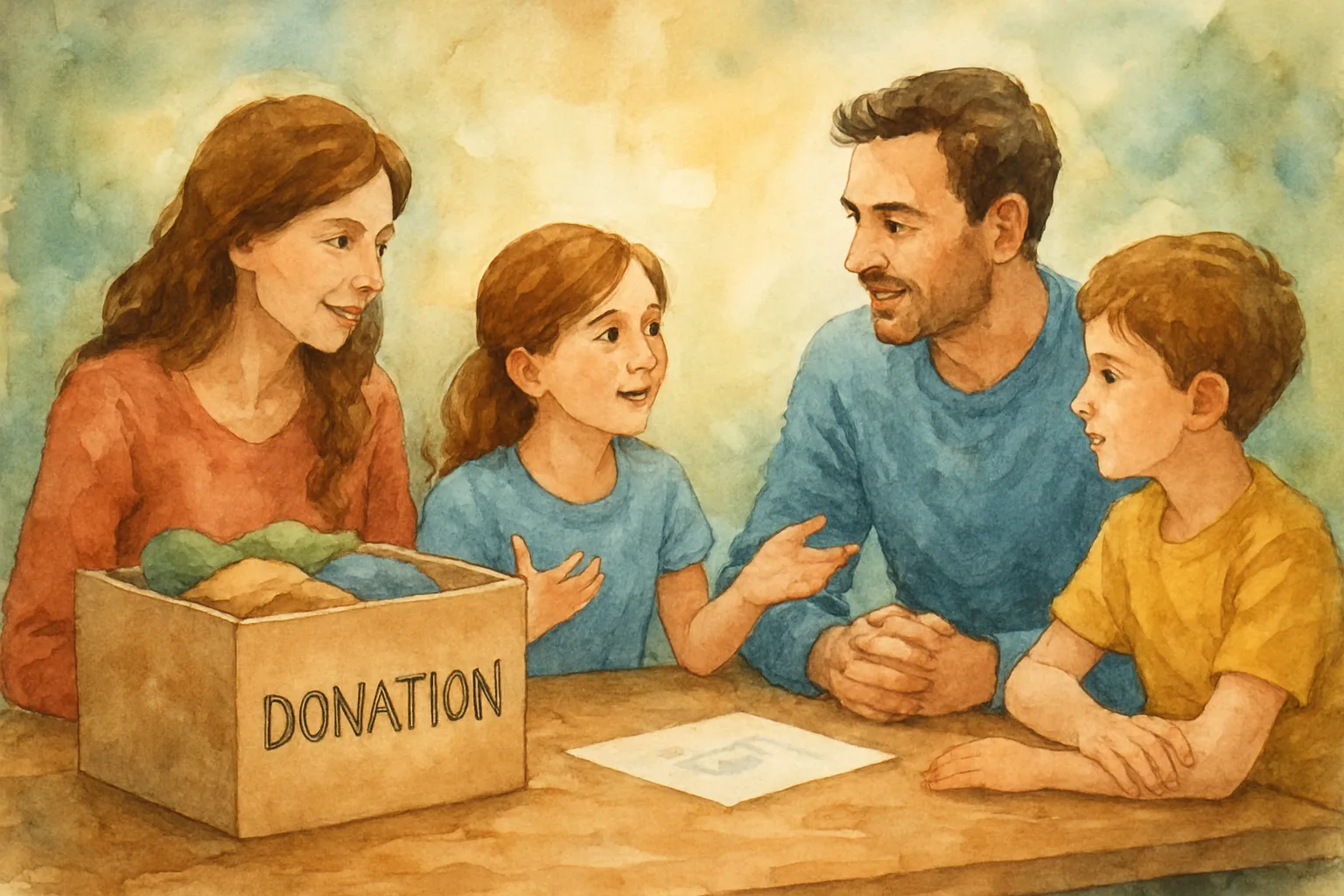
Involving Children in Family Giving Decisions
Teaching children about giving is a wonderful way to instil values of generosity and empathy. When kids understand the importance of helping others, they not only learn to share, but they also become more aware of the world around them. In this article, we’ll explore how to involve your children in family giving decisions with practical tips and insights.
Why Involve Children in Giving?
Involving children in family giving decisions has many benefits:
- Builds Empathy: Kids learn to understand the needs of others and develop a sense of compassion.
- Encourages Responsibility: By participating in charitable decisions, children learn to think about their role in the community.
- Enhances Critical Thinking: Discussing various causes encourages kids to evaluate different options and make informed choices.
Step-by-Step Tips to Involve Kids in Giving
Here are some simple steps to help include your children in family giving decisions:
- Start with a Conversation: Begin by talking about the concept of giving. Ask your children what they think it means and why it is important.
- Discuss Different Causes: Introduce your kids to various charitable causes. This could include helping animals, supporting the environment, or assisting people in need. Use age-appropriate language and examples they can relate to.
- Share Your Values: Explain why your family chooses to give. Share stories about times when you’ve helped others or received help. This personal touch can inspire them.
- Explore Together: Go online or visit local charities together. Allow your children to see the work being done and meet people involved. This can greatly enhance their understanding.
- Let Them Choose: Once your children understand the different options, allow them to help choose where to give. This could be a small donation from pocket money, or you can consider a family donation together.
- Make It a Family Activity: Plan family activities around giving, such as volunteering at a local charity. This not only makes it fun but also strengthens family bonds.
- Reflect on the Experience: After participating in the giving process, take some time to discuss how it felt. Ask your children what they learned and how they think it made a difference.
Common Myths About Involving Kids in Giving
There can be misconceptions about involving children in giving decisions. Let’s clear up a few:
- Myth 1: Kids are too young to understand. Truth: Children can grasp the basics of giving at a young age. Tailor your discussions to their level, and you may be surprised at their insights.
- Myth 2: Giving is only about money. Truth: Giving can also mean time and effort. Kids can volunteer or help out in other ways that don’t involve money.
- Myth 3: They won’t care. Truth: Many children are naturally caring and curious. Engaging them in meaningful discussions can spark a lifelong interest in helping others.
Encouraging Ongoing Giving Habits
Once your children are involved in family giving, it’s important to encourage these habits as they grow. Here are some ideas:
- Regular Family Meetings: Set aside time to discuss charitable activities and plan future giving together.
- Set Up a Giving Jar: Create a jar where family members can contribute spare change for a chosen charity.
- Celebrate Giving Moments: Make a big deal about when your family donates or volunteers, reinforcing the positive feelings associated with giving.
Conclusion
Involving children in family giving decisions helps them develop valuable life skills, empathy, and responsibility. By starting conversations, exploring causes together, and allowing them to make choices, you can nurture a sense of generosity in your children that lasts a lifetime. Remember, every little effort counts in making the world a better place!
This article provides general educational information only and is not financial advice. Always seek guidance from a qualified professional for personal financial decisions.
Previous: How to Teach Kids About Generosity and Charitable Giving
Next: Helping Kids Choose a Charity That Matters to Them