
Series: Finance for Kids
Phase 10: Giving & Values — Part 110 of 166
Why Teach Kids About Generosity?
Teaching children about generosity and charitable giving is important for their development. It helps them understand the value of helping others and being part of a community. When kids learn to give, they become more empathetic and aware of the needs of those around them.
Start with Simple Conversations
The first step in teaching kids about generosity is to talk about it. You can start by asking questions like:
- What does it mean to be generous?
- How do you feel when you help someone?
- Why is it important to help others?
These questions can spark meaningful discussions and help your child think about giving in a personal way.
Use Everyday Examples
Children learn best through examples. Look for opportunities in everyday life to show generosity. Here are some ideas:
- Share food with a friend or neighbour.
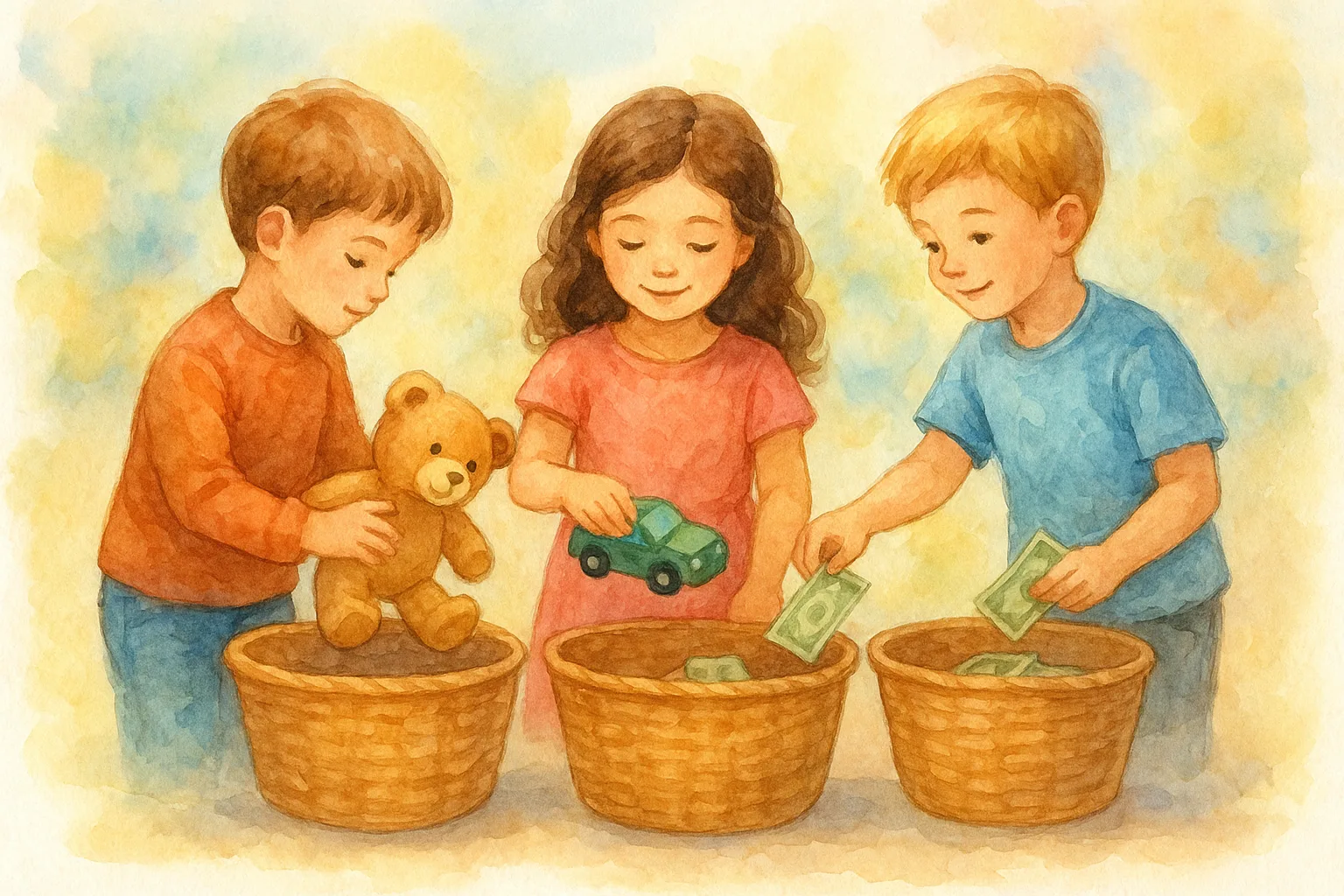
- Donate toys or clothes that are no longer used.
- Help a family member with chores or tasks.
- Support local charities or causes that you care about.
When you do these things together, explain why you are helping others. This will help your child understand the joy of giving.
Involve Them in Charitable Activities
Getting kids involved in charitable activities can be a fun and rewarding experience. Here are some practical steps:
- Choose a Cause: Let your child pick a cause that they care about. It could be animals, the environment, or helping those in need.
- Set a Goal: Help them set a goal for their charitable activity. For example, they could aim to raise £20 for a local charity.
- Plan Activities: Brainstorm activities together. This could be a bake sale, a car wash, or a sponsored walk. Encourage them to think creatively!
- Get Involved: Participate in the activities together. Your involvement shows your child that giving is important and fun.
- Celebrate Success: After the activity, celebrate the success together. Talk about the impact they made and how it felt to give.
Encourage Regular Giving
Generosity doesn’t have to be a one-time event. Encourage your child to give regularly. You can do this by:
- Setting up a donation jar at home where they can add spare change.
- Discussing ways to give back during special occasions, like birthdays or holidays.
- Encouraging them to save a portion of their allowance for charity.
These habits can help children understand that giving is a part of life.
Address Common Myths About Giving
There are some common myths that can discourage children from being generous. It’s important to address these:
- Myth 1: You need a lot of money to give. Truth: Every little bit counts! Time, skills, and kindness are valuable too.
- Myth 2: Giving is only for adults. Truth: Kids can give in many ways, and their contributions matter!
- Myth 3: You can’t make a difference as one person. Truth: Small acts of kindness can create a big impact.
Model Generosity Yourself
Children learn a lot by watching the adults in their lives. If they see you being generous, they are more likely to follow your example. Show them how you give your time, talent, or resources to help others. Share your own experiences of giving and how it made you feel.
Make It a Family Tradition
Incorporate giving into your family traditions. For example, you could:
- Volunteer as a family at a local charity.
- Participate in community events that support a good cause.
- Have a family discussion about charitable giving during mealtimes.
By making generosity a part of your family culture, you reinforce its importance and encourage your children to embrace it as they grow.
Conclusion
Teaching kids about generosity and charitable giving is a wonderful gift that can shape their character. By starting conversations, setting examples, and involving them in charitable activities, you can nurture a spirit of giving. Remember, every act of kindness counts, and together, we can make the world a better place.
This article provides general educational information only and is not financial advice. Always seek guidance from a qualified professional for personal financial decisions.
Previous: Using Stories to Teach How Businesses Grow
Next: Involving Children in Family Giving Decisions