
Series: History of Kinnaur, Himachal Pradesh, India
Phase 2: Medieval Period — Part 8 of 30
This article forms part of a continuing series that follows the gradual emergence of organised power in the western Himalayas. As small communities gave way to clans, chieftainships, and hill states, patterns of rule, alliance, and conflict began to take shape. This phase examines how authority was negotiated through land, ritual, and warfare, laying the groundwork for regional kingdoms that would dominate the medieval landscape.
Before the Sun Rises: A Medieval Morning in Kinnaur
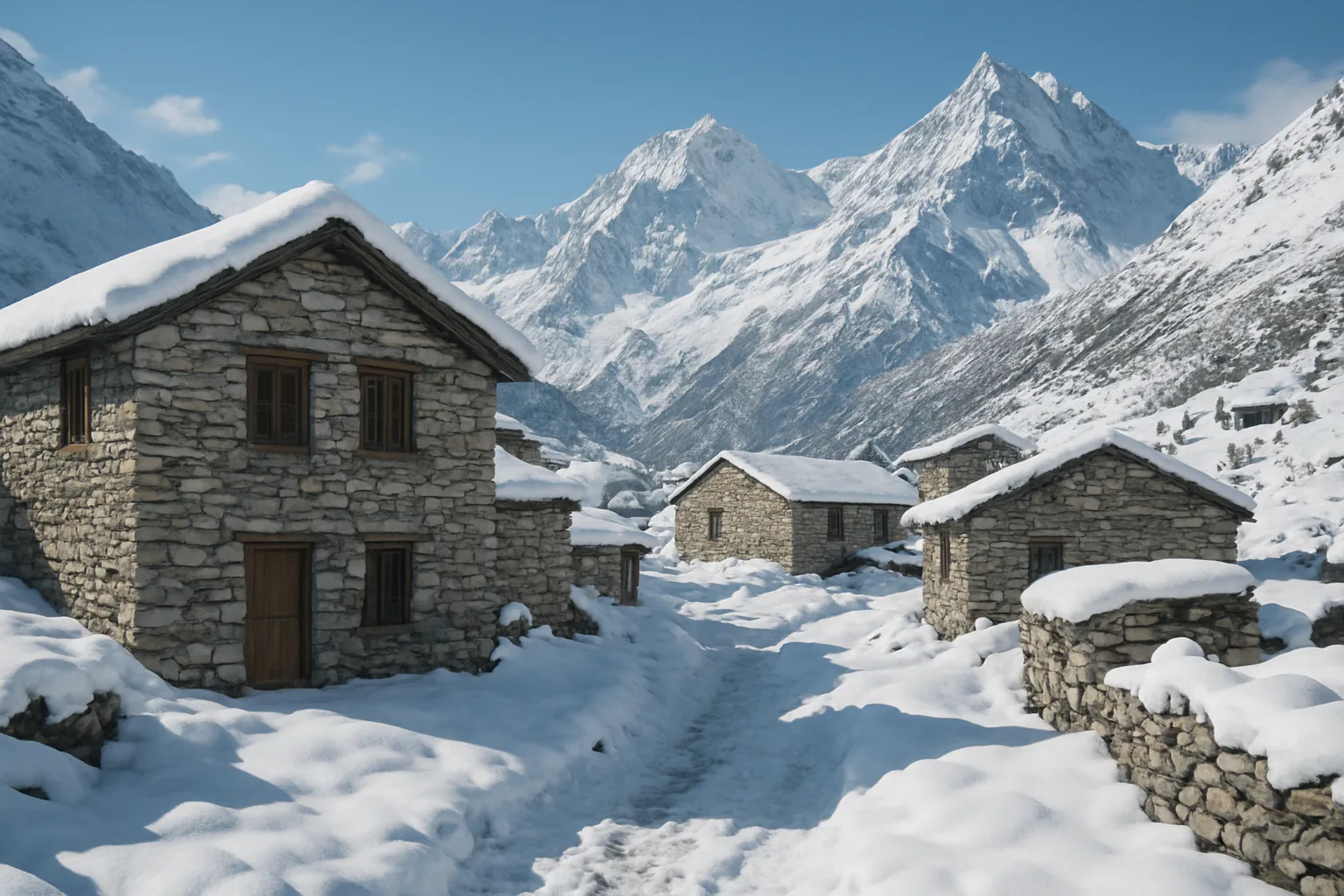
Imagine the first chill of dawn as it brushes over the stone roofs of a remote Kinnauri village. The year is somewhere between the 11th and 14th centuries, deep within the medieval period—a time when the rhythms of life are dictated not by empires or distant capitals, but by the mountains themselves. A faint trail of smoke escapes from a slate chimney, and the faint clang of a brass bell signals the start of another day where survival, faith, and community are intertwined.
Anchoring in History: The Himalayan Crossroads
Kinnaur, perched on the ancient trade arteries between India and Tibet, has long belonged to the Himalayan borderlands. By the medieval era, the region lay at the confluence of powerful influences: the distant but looming shadow of the Western Himalayan kingdoms, the monasteries and traders of Tibet, and the slow but steady emergence of small hill polities. Early regional chronicles and British-era gazetteers describe Kinnaur as a mosaic of secluded settlements, each fiercely independent and deeply rooted in the land.
Unlike the plains, where written records abounded, Kinnaur’s history survives in fragments—inscriptions on temple stones, oral epics, and the accounts of travelers who braved the high passes. Here, the line between legend and fact is sometimes as thin as the clouds clinging to the peaks.
Villages on the Edge: Community and Survival
Medieval Kinnaur’s villages were shaped by necessity and geography. Clusters of stone houses clung to terraced slopes above rushing rivers, their walls thick against the Himalayan cold. The people—known as Kinners or Kinnauras—lived in extended family units, their daily routines defined by the seasons: tending barley and buckwheat, herding sheep and yaks, gathering fuelwood from pine forests, and preparing for the long, isolating winters.
Village councils, rooted in tradition, governed internal affairs and mediated disputes. Leadership often alternated between families, echoing a communal ethos. Oral traditions recount legendary chieftains who defended their hamlets with both diplomacy and quiet strength. Yet, life was rarely peaceful—avalanches, droughts, and the ever-present risk of raids from rival valleys tested resilience at every turn.
Belief Systems and the Sacred Landscape
In medieval Kinnaur, spiritual life was inseparable from the landscape. Ancient oral traditions tell of the Kinners as semi-divine beings, a motif woven into the region’s self-understanding. While mythology imbued every rock and tree with meaning, historical inference—drawn from surviving temple inscriptions and early visitors’ accounts—points to a syncretic world where animist rituals, Buddhism, and later Hinduism overlapped.
Stone shrines and wooden temples, some dating back to the 10th or 11th century, marked the heart of villages. Deities were invoked for protection and prosperity; festivals, rich with masked dances and communal feasting, punctuated the agricultural cycle. Monastic Buddhism, arriving from across the high passes, left its imprint in the form of stupas and prayer flags, especially in the upper valleys. Yet, the worship of local spirits and nature deities persisted, blending seamlessly with newer beliefs.
Trade Routes and the World Beyond
Despite their isolation, Kinnauri villages were never cut off from the wider world. The Sutlej River valley formed a vital corridor linking India and the Tibetan plateau. Medieval trade—described in regional traditions and later travelogues—brought salt, wool, and turquoise over the high passes; in return, Kinnauri traders offered grains, dried fruit, and the famed Chilgoza pine nuts.
Caravans wound through treacherous mountain tracks, forging connections that carried not just goods but news, stories, and ideas. These exchanges seeded a cosmopolitan streak in Kinnaur’s culture, visible in everything from language to clothing and ritual practice. The region’s reputation as a ‘land of fair dealings’ is echoed in both oral memory and early written references.
Emergence of Hill States and Shifting Power
By the later medieval period, the gradual emergence of small hill states began to reshape Kinnaur’s political landscape. Chronicles such as the Gazetteer of the Simla District and local bards’ narratives recall the rise of the Bushahr state, whose rulers claimed descent from both Rajput and Tibetan lineages. While direct control over Kinnaur’s higher villages remained tenuous, alliances and tribute systems developed, weaving these communities into a broader tapestry of Himalayan polities.
The delicate balance between autonomy and allegiance defined medieval Kinnaur. Local headmen negotiated seasonal tax payments and military service, but the high valleys’ remoteness ensured a degree of independence rarely found in the plains. Occasional records of skirmishes, migrations, and shifting borders hint at a region always on the threshold between order and wildness.
Echoes of the Past: Kinnaur’s Enduring Identity
Though centuries have passed, the roots laid down in medieval times continue to shape Kinnaur’s sense of self. The stone-built villages, communal councils, and layered religious traditions remain visible in daily life. Even today, the memory of ancient trade routes and legendary ancestors lingers in song, ritual, and local pride.
As we prepare to journey deeper into the Early Modern Period in the next part of our series, the enduring threads of survival, faith, and connection remind us why Kinnaur’s story is both unique and universal—etched into the very bones of these mountains.
Previous: Local Chieftains and Village Governance in Medieval Kinnaur
Next: Agriculture and Survival in Harsh Himalayan Conditions