
Series: History of Lahaul & Spiti, Himachal Pradesh, India
Phase 2: Medieval Trans-Himalayan Rule — Part 8 of 30
This article forms part of a continuing series that follows the gradual emergence of organised power in the western Himalayas. As small communities gave way to clans, chieftainships, and hill states, patterns of rule, alliance, and conflict began to take shape. This phase examines how authority was negotiated through land, ritual, and warfare, laying the groundwork for regional kingdoms that would dominate the medieval landscape.
Twilight in the Valley: Lahaul’s Early Medieval Scene
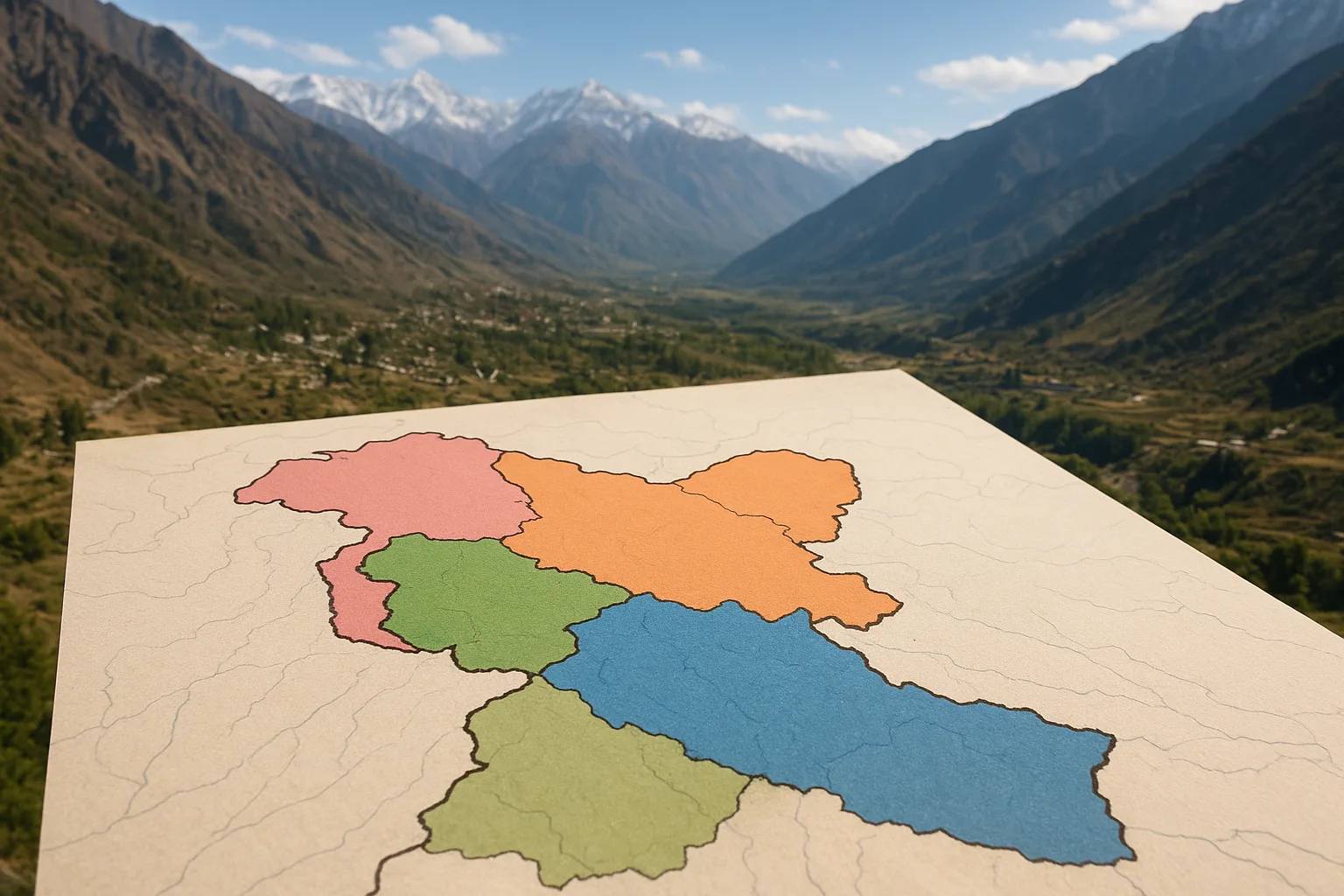
On a late autumn evening, as the first snows dust the barley fields of Keylong, the mountain air carries the sound of distant yak bells. It is the eleventh century, and Lahaul stands at a crossroads — not just of winding trails, but of empires, beliefs, and ambitions. For generations, the people of Lahaul have lived on the edge of dramatic change, hemmed in by the aspirations of Kullu to the south, Chamba to the west, and Ladakh’s Buddhist kingdom to the northeast.
Much of what we know about Lahaul’s earliest centuries comes from a tapestry of oral traditions, local chronicles such as the ‘Lahaul Gazetteer,’ and the records of neighboring states. While legends swirl around the valley’s origins, the emerging hill states would soon anchor Lahaul’s destiny in the wider currents of Himalayan history.
Origins and Early Communities: Fact and Folklore
Before the rise of organized states, Lahaul’s landscape was dotted with small hamlets and fortified villages. Oral traditions — often told around communal hearths — speak of ancient clans who descended from the legendary sage Vashishtha, believed to have meditated at the hot springs of Manali. Mythological tales recount the seeding of Lahaul’s first settlements by divine or semi-divine ancestors, but historical inference suggests a gradual aggregation of Dardic, Tibetan, and Indo-Aryan peoples, brought together by the challenges and opportunities of life above 3,000 meters.
Archaeological finds are sparse, but scattered petroglyphs, weathered chortens, and the occasional stone carving hint at a syncretic culture — one in which animist beliefs, folk deities, and early Buddhist influences coexisted. The oral memory of the Mune and Khangsar clans, for instance, evokes a time when each valley governed itself, under the loose authority of local chieftains and priests.
Emergence of Hill States: Kullu, Chamba, and the Shadow of Ladakh
By the late first millennium, Lahaul’s autonomy began to wane as the ambitions of neighboring powers grew. The chronicles of Kullu, preserved in epics like the ‘Rajavamsavali,’ claim that their rajas extended influence northward, seeking control over the passes that led to the Zanskar and Indus valleys. Kullu’s reach, however, was often more nominal than direct — reliant on tribute, seasonal visits, and a delicate dance with Lahaul’s fiercely independent headmen.
To the west, Chamba’s rulers, whose genealogies stretch to the sixth century, sought similar advantages. Chamba’s interest in Lahaul was both strategic and spiritual: the valley offered access to highland pastures, and its monasteries and shrines became pilgrimage sites for Himalayan Buddhists and Hindus alike. Both Kullu and Chamba at times claimed tax and suzerainty, but their grasp rarely extended beyond a few fortified outposts or alliances with local elite families.
Ladakh, meanwhile, loomed across the great Baralacha La. Its Buddhist kings, especially after the eighth-century Tibetan Empire’s collapse, saw Lahaul as both a buffer and a bridge to the Indian plains. Trade caravans — laden with wool, salt, and turquoise — threaded through Lahaul’s valleys, weaving together Ladakhi Buddhism and local traditions. Monasteries like Gemur and Kardang, believed to have origins in this era, became centers of learning and mediation where Ladakhi lamas brokered peace and resolved disputes.
Trade, Pilgrimage, and Cultural Exchange
Lahaul’s geography made it both remote and indispensable. The valley’s high passes — Rohtang to the south, Baralacha to the north — were arteries for trade linking the Indus basin with the Ganges plain. Salt from Tibet, pashmina wool, and apricots headed south, while grain, cloth, and metalwork made the journey north.
These trade routes fostered a cosmopolitan ethos. Travelers’ accounts, such as those attributed to the itinerant Buddhist monk Rinchen Zangpo, describe Lahaul as a place where Hindu shrines stood beside Buddhist chortens, and where traders, monks, and adventurers mingled in vibrant seasonal fairs. The region’s festivals, notably Fagli and Losar, still carry echoes of this cross-cultural legacy.
This constant movement also brought new ideas. The diffusion of Tibetan Buddhism — particularly the Drukpa and Gelugpa lineages — left a lasting imprint on Lahaul’s art, language, and ritual. Yet, older Bon and animist practices persisted, resulting in a distinctive spiritual landscape that endures today.
Conflict and Accommodation: Power and Pragmatism
Control over Lahaul was rarely absolute. The valley’s leaders, known as thakurs or wazirs, played a complex game of alliance and resistance, recognizing the suzerainty of one power or another as circumstances demanded. When Kullu’s armies mustered at the southern passes, Lahauli chiefs might fly Chamba’s standard — or vice versa. When Ladakh’s influence waxed, support for Buddhist institutions increased; when it waned, old clan loyalties resurfaced.
Documented episodes — such as the 13th-century skirmishes recalled in Chamba’s copperplate grants — show that Lahaul’s autonomy was fiercely defended. Raids, shifting tribute, and intermarriage formed the substance of politics. No power could afford to alienate the valley’s headmen, whose knowledge of the terrain and control of the trade routes made them indispensable.
Even in moments of conflict, accommodation was the norm. The valley’s isolation demanded pragmatism: survival required alliances, and the memory of devastating winters or failed harvests often muted the ambitions of distant rulers.
Belief, Identity, and the Roots of Modern Lahaul
Beneath the swirl of dynastic intrigue, Lahaul’s people forged a resilient identity. Oral traditions, recited in the dialects of Tinan and Pattan, celebrate not only legendary ancestors but also the virtues of hospitality, endurance, and negotiation. The blend of Hindu, Buddhist, and indigenous beliefs that emerged in these centuries gave shape to a society that valued adaptability over dogma.
Many of Lahaul’s monasteries and temples trace their foundations to the era of shifting suzerainties. The great chorten of Kardang is said to have been rebuilt several times — each reconstruction a testament to the valley’s survival and transformation. The region’s festivals, marked by masked dances and communal feasts, continue to reflect this layered past.
Legacy: The Past Alive in the Present
Even today, as highways and hydroelectric projects edge ever deeper into the mountains, Lahaul’s ancient patterns persist. The patchwork of villages, the hybrid rituals, and the careful negotiation between local autonomy and distant authority all echo the choices made in medieval times. Lahaul remains a place shaped by its geography — not just as a land between valleys, but as a bridge between worlds.
In the next part of our series, we will follow Lahaul’s fortunes as the Mughal and later Dogra powers cast their gaze northward, and the region’s unique balance is once again tested by the ambitions of empires.
Previous: Influence of Ladakh and Tibetan Kingdoms on Spiti
Next: Village Governance and Customary Law in Medieval Times