
Series: The UK Allotment Year
Phase 1: The Allotment Year — Month by Month — Part 7 of 50
This phase walks through the UK allotment year month by month — from planning in January to reflecting in December. Perfect for beginners or seasoned growers who want a month-by-month checklist for thriving plots.
July Allotment Tasks: Watering, Weeding, and Succession Planting
July is the heart of the UK growing season — days are long, the sun often strong, and the allotment is in full swing. This is the time when watering becomes crucial, weeds can quickly get out of hand, and clever succession planting ensures you don’t run out of fresh crops later in the year. Managing these three key tasks well will keep your plot productive and healthy through the summer and into autumn.
Essential July Watering Tips
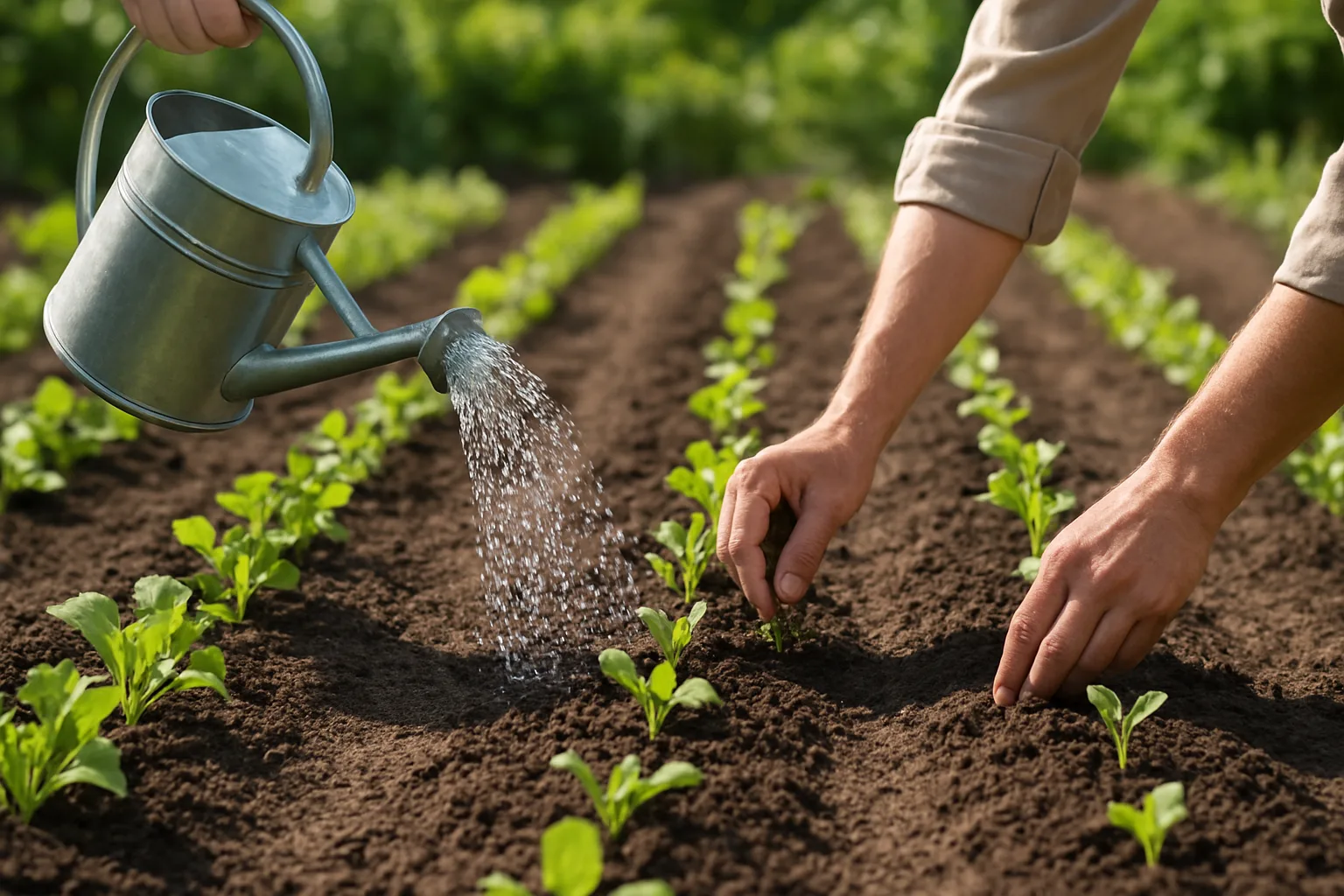
Despite the occasional British summer shower, July can bring dry spells that stress your vegetables and fruit. Watering effectively means understanding when, how, and what to water.
- Water early or late: Aim to water in the early morning or late evening to reduce evaporation and help plants absorb moisture efficiently.
- Deep and thorough: Water deeply to encourage roots to grow downwards. Avoid frequent shallow watering which encourages shallow roots.
- Focus on the base: Direct water at the base of plants rather than wetting leaves to prevent fungal diseases.
- Use water butts: Collecting rainwater in butts is eco-friendly and can reduce reliance on mains water.
- Mulch to conserve moisture: Applying organic mulch (e.g. straw, shredded leaves) helps reduce surface evaporation and keeps soil cooler.
Weeding: Keeping Your Plot Clear and Healthy
Weeds compete with your crops for water, nutrients, and light — especially in warm, dry July conditions. Regular weeding is essential to maintain healthy growth.
- Hand weed regularly: Pull out weeds while soil is moist to get roots out easily.
- Hoe between rows: Use a sharp hoe to disturb weed seedlings just below the surface. Do this on dry days to avoid spreading weed seeds.
- Beware perennial weeds: Tough weeds like bindweed or dandelions need careful removal of roots to prevent regrowth.
- Mulch around crops: Besides moisture retention, mulch suppresses weed growth.
- Compost weeds carefully: Avoid composting weeds that have gone to seed or perennial roots unless you have a hot compost that reaches high temperatures.
Succession Planting to Maximise Your Harvest
July is perfect for succession planting — sowing new crops to replace those finishing or to extend your harvest season. This keeps your plot productive and spreads the workload.
- Sow fast-growing crops: Try salad leaves, radishes, spring onions, and baby carrots for quick results.
- Start autumn crops: Sow hardy greens like winter spinach, kale, and hardy lettuces now for harvesting later in the year.
- Use containers or small beds: Succession planting works well in modular areas to manage space effectively.
- Succession sow legumes: Peas and beans can be sown now for a late crop, especially if you have a sheltered spot.
- Prepare soil well: Before sowing, dig in some well-rotted organic matter and rake the bed level for good seed-to-soil contact.
Tools and Materials for July Tasks
- Watering can or hose with fine rose: For gentle watering without soil disturbance.
- Water butt: To collect rainwater and reduce mains water use.
- Hand fork and hoe: Essential for loosening soil and controlling weeds.
- Mulch materials: Straw, grass clippings (weed-free), shredded leaves, or well-rotted compost.
- Seed trays or pots: Useful for starting succession crops indoors or in a greenhouse before transplanting.
Quick July Allotment Checklist
- Water plants early or late, focusing on roots.
- Apply mulch to conserve moisture and suppress weeds.
- Weed regularly, removing roots especially of perennial weeds.
- Hoe between rows on dry days to stop weed seedlings.
- Sow fast-growing salad crops and autumn greens for succession.
- Prepare soil with organic matter before sowing.
- Monitor water butts and refill as needed.
Common July Mistakes to Avoid
- Watering at midday: This wastes water through evaporation and can scorch plants.
- Neglecting mulch: Missing this step leads to drier soil and more weeds.
- Leaving weeds to seed: Allows weeds to spread and makes future control harder.
- Succession planting too late: Waiting too long means crops may not mature before colder weather.
- Overwatering: Can cause root rot and fungal problems; check soil moisture before watering.
Next Steps for July and Beyond
As July progresses, keep up with watering and weeding to maintain healthy crops. Watch your succession plantings develop and be ready to thin or harvest early crops to make space. Start planning for August tasks like harvesting summer crops, preparing beds for autumn, and sowing late-season vegetables. Staying on top of these tasks means you’ll enjoy a productive and satisfying allotment season.
Remember, patience and regular care are your best allies. Even a few minutes each day can make a big difference in July. Happy gardening!
Previous: June Harvests: Strawberries, Lettuce, and Early Potatoes
Next: August Abundance: Preserving, Pickling, and Late Sowings