
Series: Finance for Kids
Phase 7: Marketing, Peer Pressure & Boundaries — Part 76 of 166
Introduction
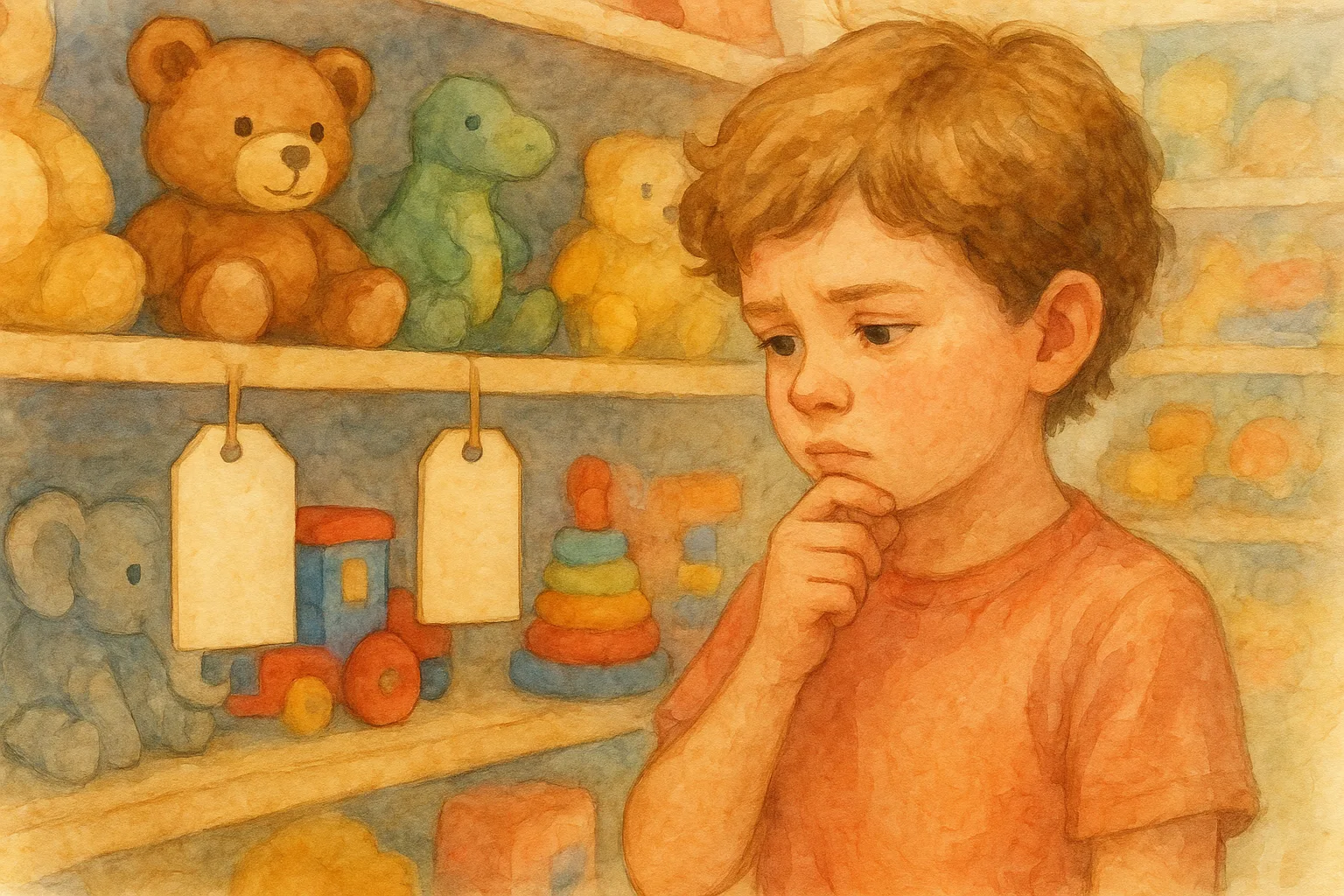
As parents and educators, we want our children to grow up making wise choices about money. One crucial lesson is to think carefully before making a purchase. This skill helps them understand the value of money, make informed decisions, and avoid unnecessary spending. In this article, we will explore simple steps to teach kids to think before they buy.
Why Thinking Before Buying Matters
Teaching kids to pause and consider their purchases can help them:
- Recognise wants versus needs.
- Avoid impulse buys.
- Understand the impact of their spending.
- Make better financial choices in the future.
Simple Steps to Teach Thoughtful Spending
Here are some practical steps you can take to help children think before they buy:
1. Discuss Wants vs. Needs
Start by explaining the difference between wants and needs. Needs are things we must have for survival, like food, shelter, and clothing. Wants are things we desire but can live without, like toys or fancy gadgets.
Example: When shopping, point out items and ask your child if they are wants or needs. For instance, a new pair of shoes might be a need, but a video game is a want.
2. Create a Spending Plan
Teach your child to make a simple spending plan. This plan can help them decide how to use their money wisely. Encourage them to list their needs and wants, and set a budget for each category.
Example: If they receive £10 for their birthday, they might decide to spend £5 on a new book (a want) and save the other £5 for a future need.
3. The 24-Hour Rule
Introduce the 24-hour rule for impulse purchases. If your child wants to buy something, encourage them to wait 24 hours before deciding. This pause allows them to think about whether they truly want the item.
Example: If they want a new toy, they can write it down and revisit the idea the next day. Often, they may find they no longer want it.
4. Discuss Value and Quality
Help kids learn to assess the value of what they want to buy. Discussing quality and how long the item will last can lead to better spending decisions.
Example: If they want to buy a cheap toy that breaks easily, talk about how spending a little more on a durable toy can save money in the long run.
5. Encourage Research
Teach your child to research before making a purchase. This could involve looking at reviews or comparing prices at different shops.
Example: If they want a new video game, they can check online to see if it is available at a better price elsewhere or if other players recommend it.
6. Share Personal Experiences
Share your own buying experiences with your child. Talk about times you made impulsive decisions and what you learned from them. This can help them understand that everyone makes mistakes and that it’s essential to learn from them.
Example: If you once bought a pair of shoes that you never wore, explain why it was not a good purchase and what you would do differently next time.
Myths About Spending and Saving
There are several myths about spending and saving that can confuse children. Here are a few common ones to clarify:
Myth 1: Saving means never spending
Some kids think that saving money means they can never spend it. Explain that saving is essential for future goals, but it’s also okay to spend money on things they truly want or need.
Myth 2: All expensive items are better quality
Kids may believe that if something costs more, it’s automatically better. Teach them to evaluate quality based on reviews and experiences, not just price.
Myth 3: Buying something makes you happy
Help children understand that while buying something can bring momentary joy, true happiness often comes from experiences or spending time with loved ones, not just material possessions.
Encouragement and Support
Encourage your child as they learn to think before they buy. Celebrate their thoughtful decisions and gently guide them when they make mistakes. Reinforcing positive behaviour will help them become confident in their money choices.
Conclusion
Teaching kids to think before they buy is an essential skill that will benefit them throughout their lives. By discussing needs and wants, creating spending plans, and encouraging thoughtful decision-making, you can help them become responsible spenders. Remember, learning about money is a journey, and every step counts!
This article provides general educational information only and is not financial advice. Always seek guidance from a qualified professional for personal financial decisions.
Previous: Helping Kids Avoid Peer Pressure Spending
Next: How to Explain Advertising to Children