
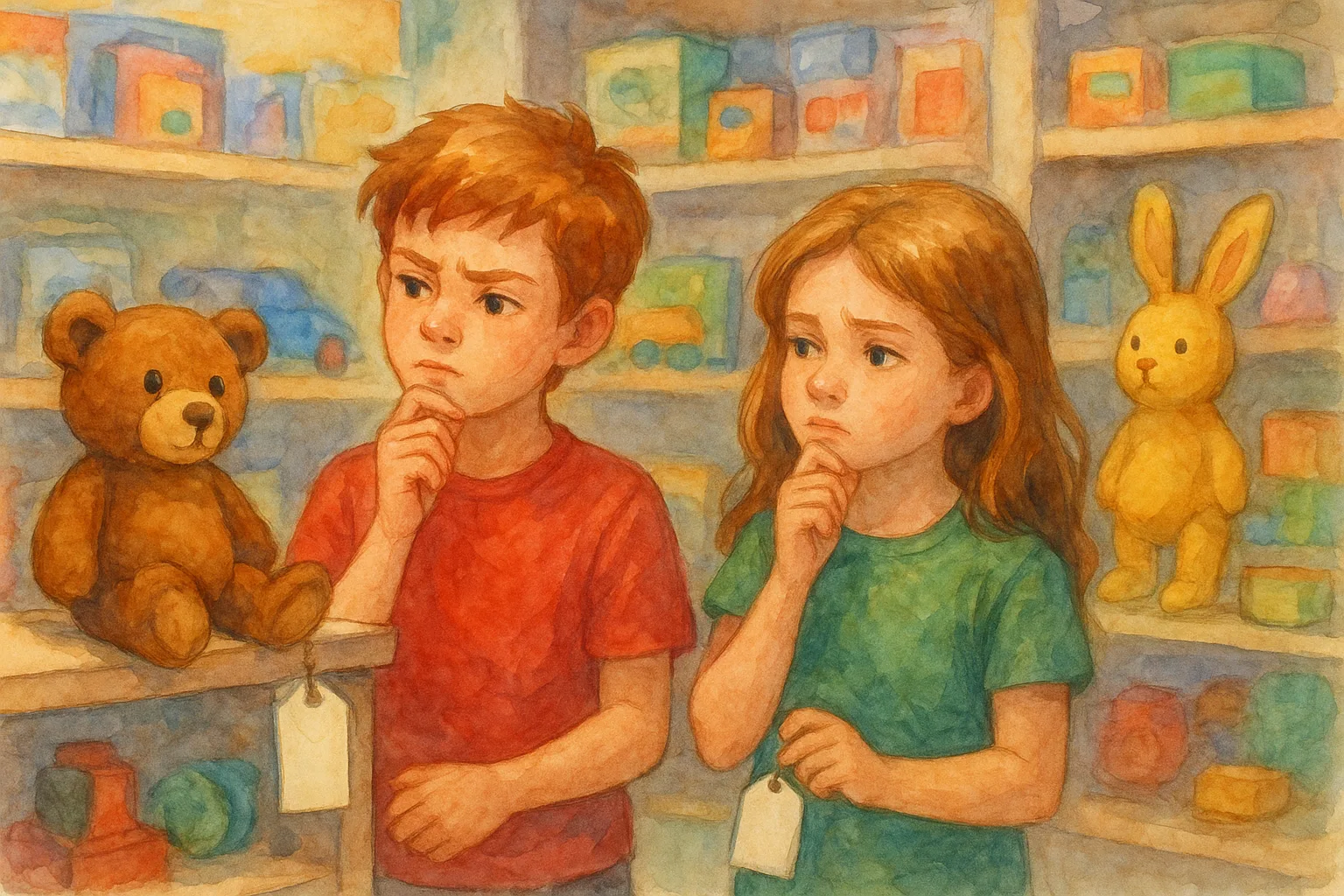
Series: Finance for Kids
Phase 7: Marketing, Peer Pressure & Boundaries — Part 75 of 166
Understanding Peer Pressure Spending
Peer pressure is a common experience for children and teenagers. It can make them feel like they need to buy certain things to fit in or be accepted by their friends. Whether it’s the latest gadget, trendy clothes, or popular snacks, kids often feel the urge to spend money just to keep up with others.
As parents and educators, it’s important to help kids navigate these feelings and make smart financial choices. Here are some practical ways to help children avoid peer pressure spending.
1. Talk About Money Openly
Start by having open conversations about money. Discuss why it’s important to save and spend wisely. You can use everyday situations to illustrate these points. For example, when shopping, ask your child what they think about the prices of different items and why some things might be more expensive than others.
Examples of Discussion Starters:
- “What do you think about buying that toy? Is it something you really want, or just something your friends have?”
- “Why do you think some people spend money on things they don’t really need?”
- “How does it feel when you want something just because your friends have it?”
2. Teach the Importance of Needs vs. Wants
Help children distinguish between their needs and wants. Needs are essentials like food, clothing, and shelter, while wants are things that are nice to have but not necessary.
Activity Idea:
Make a list together of needs and wants. This can be a fun exercise! Use examples from their daily life and encourage them to think critically about each item. This will help them reflect on their spending decisions in the future.
3. Encourage Budgeting Skills
Introduce the concept of budgeting in a simple way. Explain that a budget is a plan for how to spend money. You can help them create a basic budget with any allowance or money they receive.
Steps to Create a Simple Budget:
- Write down how much money they have.
- List what they want to spend money on (both needs and wants).
- Decide how much to spend on each item.
- Encourage them to stick to their budget!
4. Role-Play Scenarios
Role-playing can be a great way to prepare kids for real-life situations. Create scenarios where they might feel peer pressure to spend money. For example, pretend to be a friend who wants them to buy something expensive. Let them practice how to respond.
Role-Play Example:
“Hey, let’s buy this new game! Everyone has it. Don’t you want to fit in?”
Encourage your child to think of a response, such as, “I’d love to play it, but I need to save my money for something else.”
5. Discuss the Impact of Advertising
Help children understand how advertising works. Explain that companies want them to buy their products, often using popular characters or trends. Discuss how advertising can influence their choices and make them feel like they need to buy something.
Questions to Consider:
- “Have you ever wanted something just because you saw it in an ad?”
- “Do you think ads are always honest?”
6. Set a Good Example
Children learn a lot from observing adults. Show them how you make financial decisions. If you are mindful about spending, saving, and budgeting, they will likely follow your example.
Example Actions:
- Discuss your own budgeting process.
- Talk about your choices when shopping and why you choose certain items over others.
- Share your savings goals and how you plan to achieve them.
7. Build a Savings Habit
Encourage kids to save for things they really want. This not only helps them resist impulse buying but also teaches them the value of money. When they save for something specific, they learn patience and the rewards of delayed gratification.
Saving Strategy:
Set up a clear goal for saving. For example, if they want a new toy that costs £20, help them come up with a plan to save £5 a week. It can be exciting for them to see their savings grow!
Myths About Peer Pressure Spending
There are several myths surrounding peer pressure spending that can lead to misunderstandings. Here are a few:
Myth 1: Everyone is Buying It
Just because some friends have something doesn’t mean everyone is. It’s easy to feel like you’re the only one without the latest item, but that’s often not true.
Myth 2: Spending Equals Friendship
True friends will accept you for who you are, not what you own. Money shouldn’t define friendships.
Myth 3: You Can’t Say No
It’s perfectly okay to say no to spending. You can still have fun without buying things all the time!
Conclusion
Helping kids navigate peer pressure spending is essential for their financial well-being. By having open discussions, teaching budgeting skills, and encouraging saving, you can empower them to make smart choices. Remember, it’s all about building confidence in their financial decisions.
This article provides general educational information only and is not financial advice. Always seek guidance from a qualified professional for personal financial decisions.
Previous: Introducing Kids to Smart Shopping Plans
Next: Teaching Kids to Think Before They Buy