
How to Stay Active During Colder Months: Practical Tips for Year-Round Wellbeing
When the temperature drops and daylight hours shrink, it’s normal to feel less motivated to move. However, staying active during colder months is important not only for physical health but also for mental wellbeing. The good news is that with a few practical steps and a positive mindset, you can maintain a healthy, active lifestyle all year round—even when it’s chilly outside.
Why Staying Active in Winter Matters
Regular physical activity helps improve mood, boost energy, support immune function, and maintain muscle strength. In colder months, when many people experience lower energy and more time indoors, keeping active can counteract feelings of lethargy and seasonal blues.
Step-by-Step Tips to Stay Active During Colder Months
1. Dress in Layers for Comfort and Safety
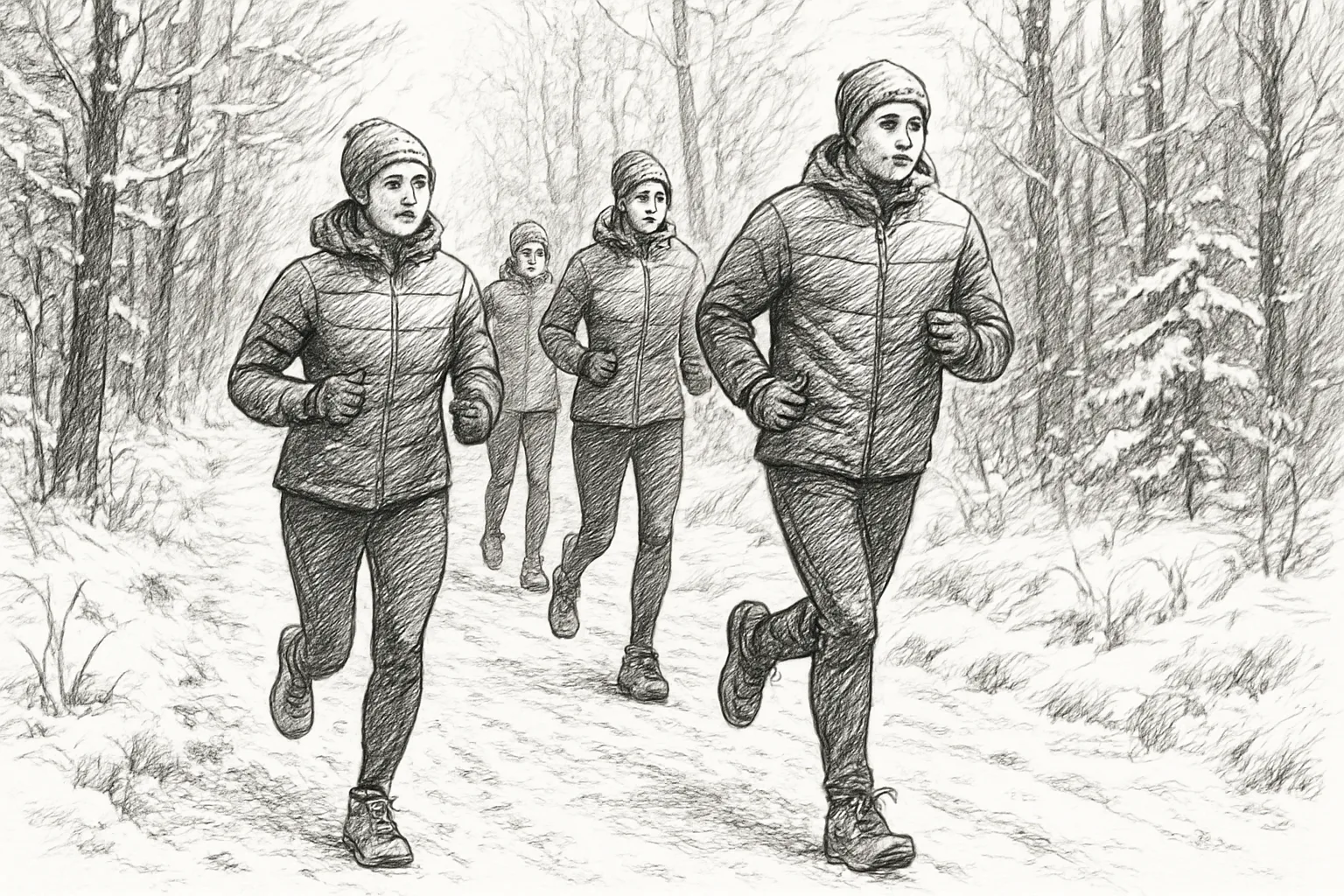
Wearing layers helps you regulate your body temperature as you move between indoor and outdoor environments. Start with a moisture-wicking base layer to keep sweat away from your skin, add an insulating mid-layer, and top it with a windproof or waterproof jacket. Don’t forget gloves, a hat, and warm socks to protect extremities.
2. Set Realistic and Flexible Goals
Rather than aiming for intense workouts, focus on consistent movement that fits your lifestyle. For example, commit to a 20-minute walk three times a week or short indoor exercise sessions. Flexibility helps you adapt if the weather is particularly harsh or your schedule changes.
3. Embrace Indoor Activities
When going outside isn’t appealing or possible, indoor activities can keep you moving. Try bodyweight exercises like squats and lunges, yoga, dancing, or online workout classes. Household chores such as vacuuming or gardening indoors also count as physical activity.
4. Make Use of Daylight
Take advantage of daylight hours by scheduling walks or outdoor activities during the brightest parts of the day. Exposure to natural light supports your circadian rhythm and mood, making your activity feel more refreshing and energising.
5. Create a Supportive Routine
Consistency is easier when activity becomes part of your daily routine. Choose set times for movement, such as a morning stretch or an after-dinner walk. You might also team up with a friend or family member for mutual motivation and accountability.
6. Warm Up Properly
Cold muscles are more prone to injury, so spend extra time warming up before exercise. Gentle dynamic stretches, marching on the spot, or light jogging indoors before heading outside can prepare your body for activity.
7. Keep Your Environment Inviting
Make your home a welcoming place for activity. Set aside a clear space for workouts, use motivating music, or invest in simple equipment like resistance bands or a yoga mat. This makes it easier to stay active even when you can’t get outside.
Common Myths About Staying Active in Cold Weather
- Myth 1: It’s unsafe to exercise outside in cold weather. While extreme conditions require caution, moderate cold shouldn’t stop you from being active. Dressing appropriately and choosing suitable activities can make outdoor exercise safe and enjoyable.
- Myth 2: You burn more calories in the cold, so you can skip exercise. While your body uses some extra energy to stay warm, this doesn’t replace the benefits of regular activity. Exercise supports overall health beyond calorie burning.
- Myth 3: You’ll get sick if you exercise in winter. Being active does not cause illness. In fact, regular exercise can strengthen your immune system. Just remember to listen to your body and rest if you feel unwell.
Additional Ideas for Staying Active and Motivated
- Try winter sports: Activities like ice skating, cross-country skiing, or even brisk hiking can be fun ways to move outdoors.
- Use technology: Fitness apps and online communities can offer guided workouts and social connection.
- Set small challenges: Aim for step counts, time spent moving, or mastering a new exercise to keep things interesting.
- Listen to your body: Adjust intensity and duration as needed to avoid overexertion in colder conditions.
Conclusion
Staying active during colder months is entirely achievable with some planning, flexibility, and kindness towards yourself. Focusing on sustainable habits like dressing appropriately, setting realistic goals, and incorporating enjoyable activities can help you maintain your wellbeing throughout the year. Remember, every bit of movement counts and contributes to your overall health and happiness—even on the chilliest days.
This article provides general educational information only and is not a substitute for professional medical advice. Always consult a qualified healthcare professional for personal guidance.