
Series: The UK Allotment Year
Phase 1: The Allotment Year — Month by Month — Part 5 of 50
This phase walks through the UK allotment year month by month — from planning in January to reflecting in December. Perfect for beginners or seasoned growers who want a month-by-month checklist for thriving plots.
May on the Plot: Protecting Seedlings from Frost and Pests
May is an exciting but delicate time on the allotment. Your seedlings, whether sown under cover or directly in the soil, begin to grow vigorously as temperatures rise. Yet, in the UK, the risk of a late frost can still nip tender shoots, and hungry pests are waking up ready to feast. Protecting your young plants now ensures a strong, healthy crop later in the summer.
Why May Matters for Seedlings
While the long daylight hours and warmer days encourage rapid growth, unpredictable nights mean frost can still damage or kill seedlings. Additionally, pests like slugs, aphids and carrot root fly become active, threatening to undo your hard work. Careful monitoring and protection now will pay dividends in yield and plant health.
Key Tasks to Protect Seedlings from Frost
- Keep an eye on weather forecasts: Late frosts usually occur early May or sometimes into mid-May. Check daily predictions to plan protection.
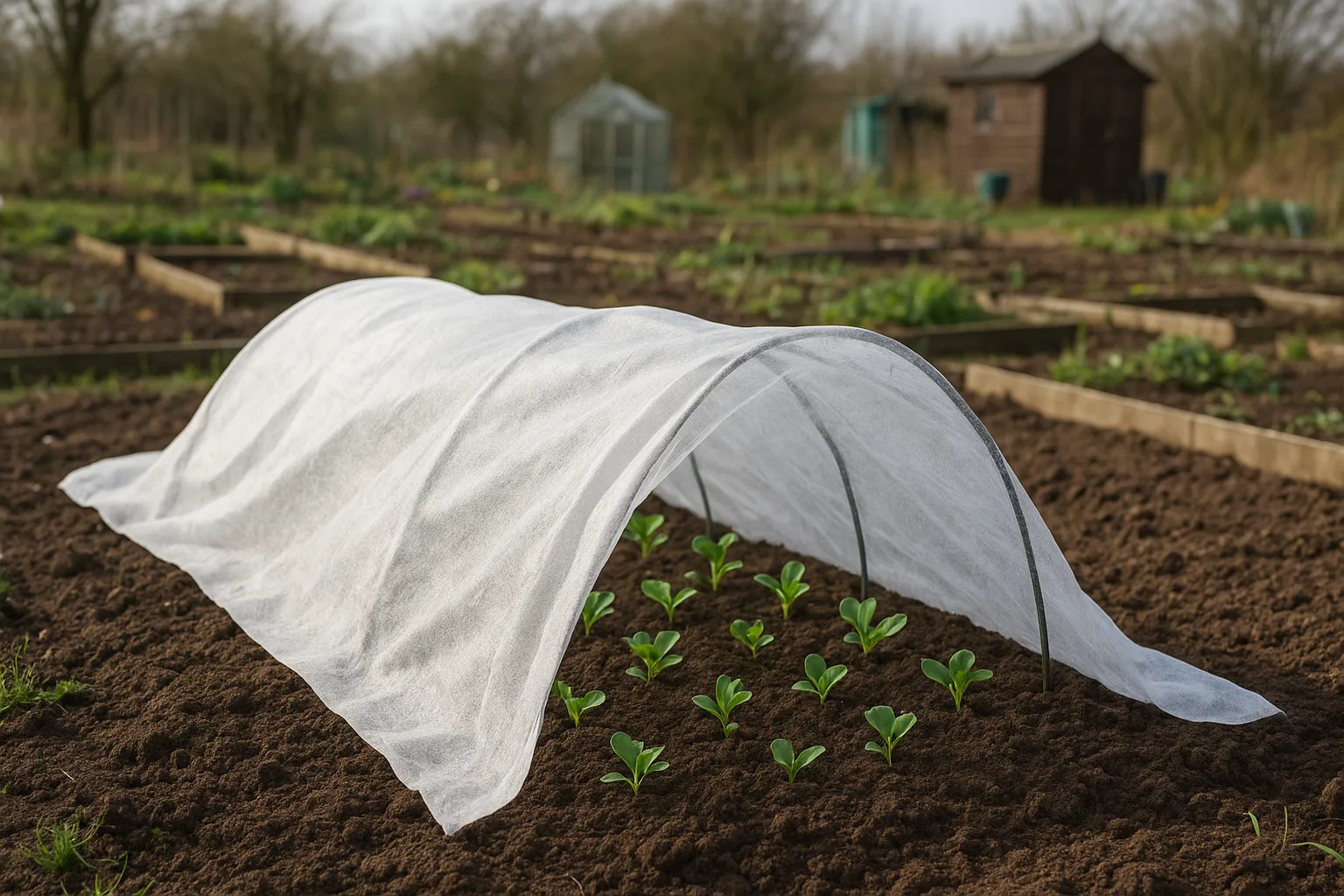
- Use cloches or fleece covers: Lightweight horticultural fleece or plastic cloches create a warmer microclimate and shield plants overnight. Remove covers during the day to avoid overheating.
- Plant out carefully: Harden off seedlings gradually over 7–10 days by exposing them to outdoor conditions for increasing periods before planting out fully.
- Choose frost-resistant varieties where possible: Some plants tolerate chilly nights better; check seed packets or grower notes.
- Water wisely: Moist soil holds heat better than dry soil, so watering in the evening before a cold night can help protect roots.
Steps to Guard Against Common Pests
- Slugs and snails: Set up beer traps or scatter organic slug pellets (iron phosphate-based) around seedlings. Encourage natural predators like hedgehogs and frogs by providing habitat.
- Aphids: Spray seedlings with a strong jet of water to dislodge aphids or use insecticidal soap made from natural ingredients. Avoid chemical sprays.
- Carrot root fly: Use fine mesh or horticultural fleece as a barrier over carrots and related crops. Rotate crops yearly to reduce infestation risk.
- Cutworms and other caterpillars: Place collars made from cardboard or plastic around stems to prevent them from chewing at the base.
- Encourage beneficial insects: Sow flowers such as marigolds or nasturtiums nearby to attract hoverflies and ladybirds that prey on pests.
Materials and Tools to Have Ready
- Horticultural fleece (lightweight, breathable fabric)
- Plastic or glass cloches and cold frames
- Organic slug pellets (iron phosphate-based)
- Fine mesh netting or insect-proof fleece
- Watering can or hose with fine rose
- Cardboard or plastic collars for cutworm protection
- Hand lens or magnifier to spot tiny pests
- Natural insecticidal soap or a jet spray attachment for water
Common Mistakes to Avoid
- Removing covers too early: Taking off fleece or cloches during a frost risk night can expose seedlings suddenly, causing damage.
- Overwatering or underwatering: Both can stress seedlings, making them more vulnerable to frost and pests.
- Ignoring early pest signs: Small infestations can explode quickly; check plants regularly rather than waiting for obvious damage.
- Using heavy plastic covers: Non-breathable covers can cause overheating and fungal issues in daylight.
- Planting out without hardening off: Seedlings shocked by sudden exposure to wind and chill often fail to thrive.
Quick Checklist for May Seedling Protection
- Monitor weather forecasts daily for frost warnings.
- Use fleece or cloches to cover seedlings overnight.
- Harden off seedlings gradually before planting out.
- Water soil in the evening before cold nights.
- Set slug traps or apply organic pellets.
- Spray aphids off with water or insecticidal soap.
- Protect carrot and brassica crops with mesh covers.
- Inspect plants regularly for early pest signs.
- Encourage beneficial insects by planting companion flowers.
Next Steps for the Month
As May progresses and the risk of frost diminishes, you can gradually reduce coverings but keep vigilant for pests. Continue planting out later sowings of beans, courgettes, and other summer crops once soil temperatures are reliably warmer. Maintain watering routines, weed regularly, and consider mulching around plants to retain moisture and suppress weeds.
By protecting your seedlings carefully this month, you’ll set the stage for a bountiful and healthy harvest throughout the summer. Happy growing!
Previous: April Growing Guide: Potatoes, Peas, and Polytunnel Action
Next: June Harvests: Strawberries, Lettuce, and Early Potatoes