
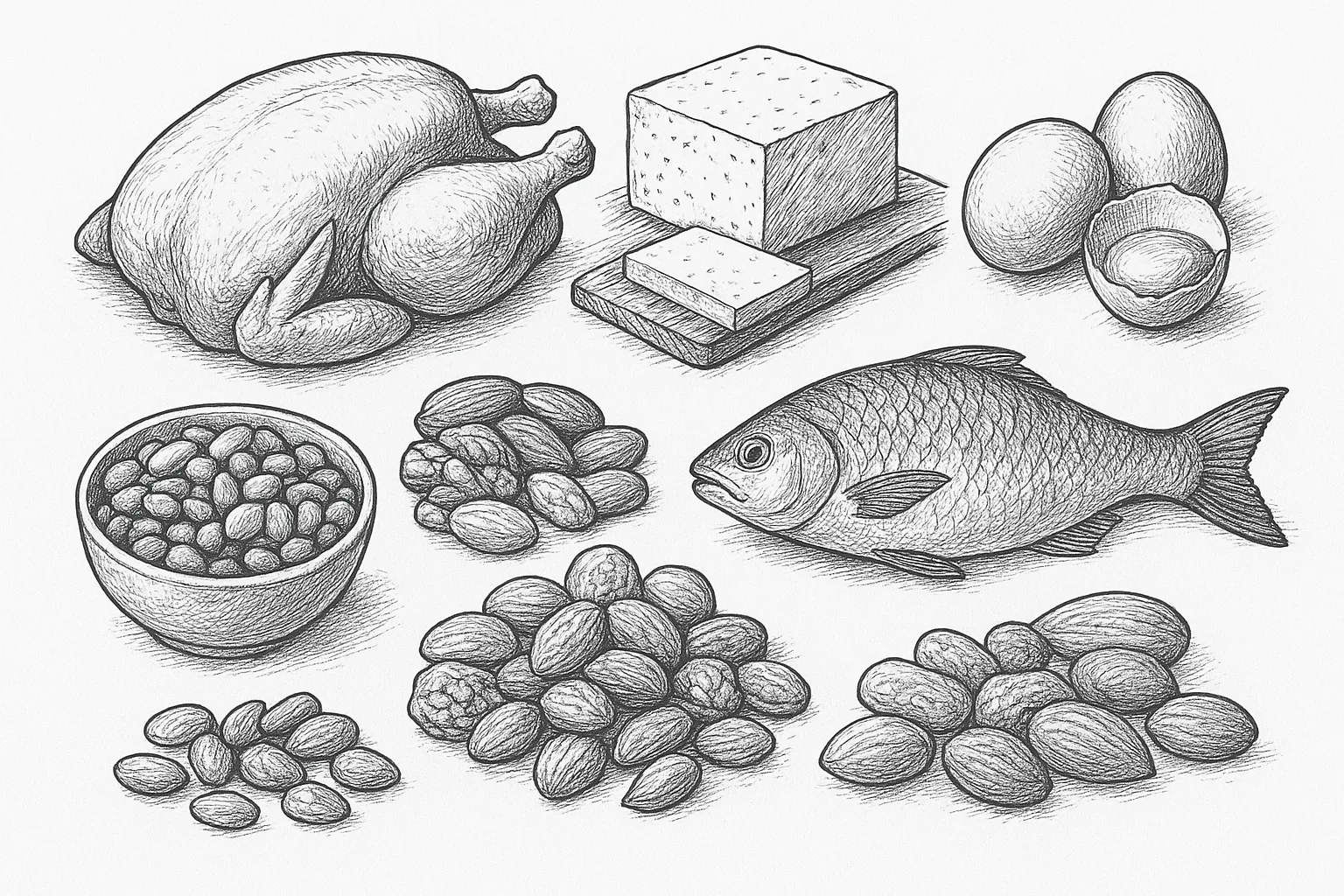
Common Protein Myths Every Gym-Goer Should Know
Protein is often hailed as the muscle-building superstar nutrient, especially among gym enthusiasts. But with so much information swirling around, it’s easy to get caught up in myths that can actually hinder your progress or cause unnecessary worry. Understanding the facts about protein can help you develop sustainable habits that support your fitness and wellbeing goals.
Myth 1: You Need Excessive Protein to Build Muscle
Many gym-goers believe that consuming huge amounts of protein will automatically lead to bigger muscles. While protein is essential for muscle repair and growth, more isn’t always better. Your body can only use a certain amount of protein at a time for muscle synthesis. Excess protein generally gets used as energy or stored as fat.
Practical Tip: Aim for a balanced intake tailored to your body weight and activity level—usually around 1.2 to 2.0 grams of protein per kilogram of body weight per day for active adults. Spread your protein intake evenly across meals to support muscle repair throughout the day.
Myth 2: You Must Consume Protein Immediately After Your Workout
The idea of a narrow “anabolic window” after exercise has led many to rush for protein shakes right after finishing their session. However, recent research shows that the window for effective protein intake is much wider—several hours post-workout.
Practical Tip: Focus on meeting your overall daily protein needs rather than stressing about exact timing. Including protein in meals before and after your workout is helpful, but don’t worry if you miss the immediate post-exercise shake.
Myth 3: Animal Protein Is Always Better Than Plant Protein
Animal proteins like whey, casein, and meat are considered “complete” proteins because they contain all essential amino acids. Plant proteins like soy and pea can also provide these amino acids, but some plant sources may be lower in one or more essentials.
Practical Tip: You can meet your protein needs with plant-based sources by eating a variety of foods like beans, lentils, soy, peas, nuts, and seeds throughout the day. Combining different plant proteins ensures you get all essential amino acids naturally.
Myth 4: Protein Supplements Are Necessary to Gain Muscle
Protein powders and shakes are convenient, but they aren’t mandatory for building muscle or improving fitness. Whole food sources provide additional nutrients that supplements don’t, such as fibre, vitamins, and minerals.
Practical Tip: Focus on whole food proteins like lean meats, dairy, eggs, legumes, and tofu. Use protein supplements as a helpful convenience when you’re short on time or need a quick post-workout option, not as a replacement for meals.
Myth 5: High Protein Diets Are Bad for Your Kidneys
This myth stems from concerns about excessive protein intake harming kidney function. For healthy individuals, moderate protein intakes to support exercise and recovery are generally safe. Problems tend to occur only with pre-existing kidney conditions or extremely high protein intakes over long periods.
Practical Tip: If you have kidney issues or other health concerns, consult a healthcare professional for personalised advice. Otherwise, focus on balanced protein intake within recommended ranges.
Sustainable Habits for Protein and Fitness Success
Here are some practical, sustainable steps to help you use protein wisely as part of your fitness routine:
- Plan Balanced Meals: Include a source of protein—such as whey, casein, soy, pea, eggs, or lean meats—in each meal to support muscle repair and satiety.
- Mix Protein Sources: Rotate between animal and plant proteins to benefit from varied nutrients and keep meals interesting.
- Listen to Your Body: Pay attention to how you feel with different protein amounts. Adjust intake to match your activity level and recovery needs.
- Stay Hydrated: Drinking enough water helps your body process protein and supports overall health.
- Combine with Carbs and Fats: Balanced meals with carbohydrates and healthy fats enhance energy and recovery alongside protein.
- Don’t Overthink Timing: Focus on total daily protein rather than stressing over the clock.
- Enjoy Your Food: Choose protein sources you enjoy so that your eating habits are sustainable and satisfying.
Conclusion
Protein plays a vital role in supporting your gym efforts, but it’s important to separate fact from fiction. Avoid falling into the trap of extreme protein intake or rigid timing. Instead, focus on balanced, varied protein sources like whey, casein, soy, and pea, and maintain sustainable habits that fit your lifestyle. This approach will support your fitness goals while promoting overall wellbeing without unnecessary stress.
This article provides general educational information only and is not a substitute for professional medical advice. Always consult a qualified healthcare professional for personal guidance.