
Series: The UK Allotment Year
Phase 1: The Allotment Year — Month by Month — Part 2 of 50
This phase walks through the UK allotment year month by month — from planning in January to reflecting in December. Perfect for beginners or seasoned growers who want a month-by-month checklist for thriving plots.
What to Plant in February: Early Crops and Cold Frame Tips
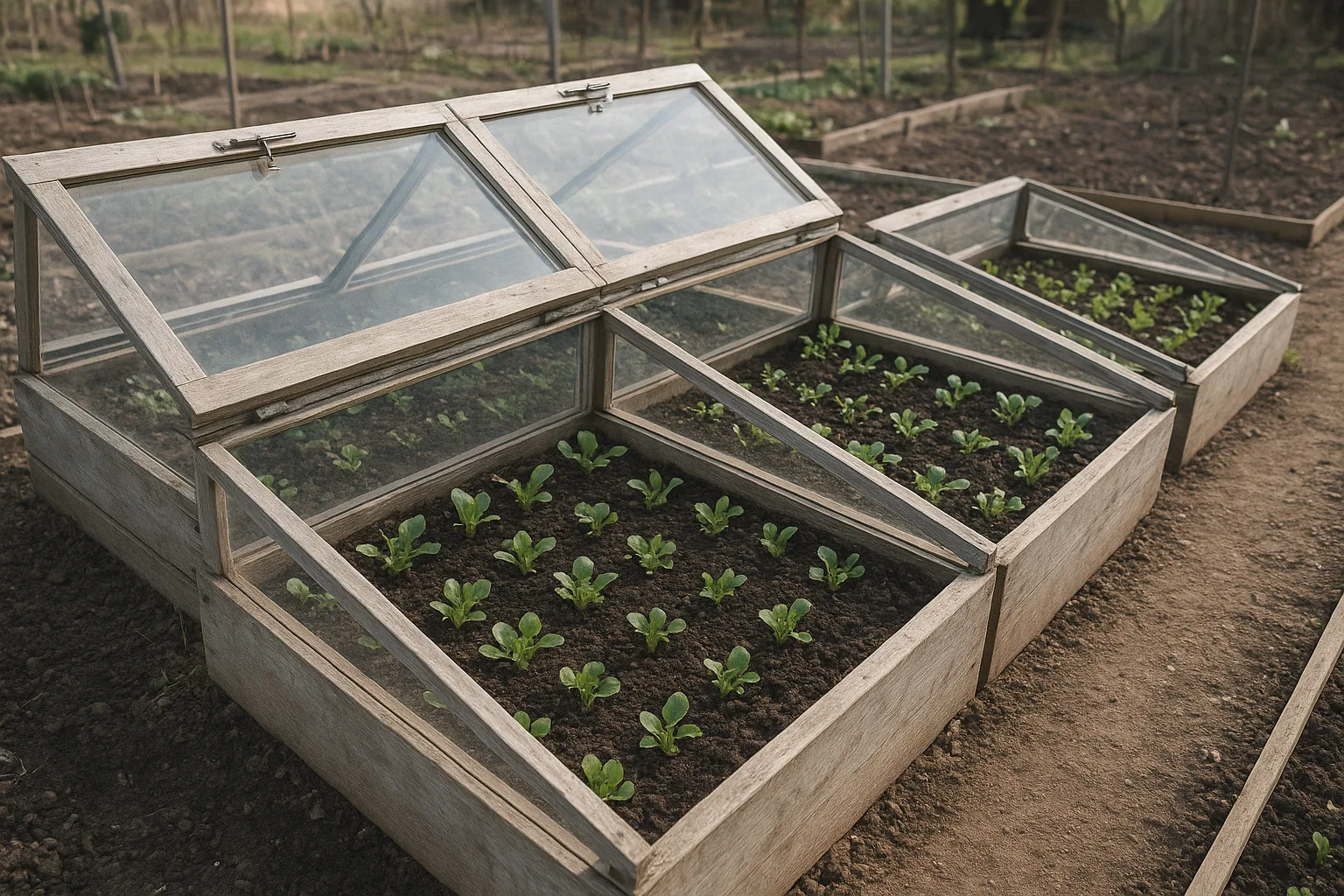
February is a pivotal month for UK allotment holders. Although the soil can still feel chilly and the days remain short, this is the time to get a head start on the growing season. With careful planning and the right use of cold frames, you can sow hardy early crops that will put you ahead of the game come spring. This guide covers practical steps for planting in February, making the most of cold frames, and setting your allotment up for success.
Why February Matters on Your Allotment
By planting early crops now, you maximise the growing window and can harvest fresh produce well before summer. Cold frames provide protection from frost and wind, creating a microclimate that encourages seed germination and seedling growth. Even if the weather is unpredictable, February is the month to prepare and take action so you’re not left rushing in March and April.
Key Tasks for February Planting
- Prepare your seed trays and modules: Start sowing hardy vegetables indoors or in a cold frame. Use seed compost and ensure trays have drainage.
- Sow early crops: Good choices include broad beans, early peas, onions (sets or seeds), shallots, and hardy salad leaves like winter lettuce and mâche.
- Check and maintain cold frames: Clear any debris, repair glass or plastic panels, and ensure ventilation can be adjusted easily to prevent overheating on sunny days.
- Prepare soil on the plot: If conditions allow, clear weeds and add well-rotted organic matter or compost. Avoid digging if the soil is very wet or frozen.
- Plan your crop rotation: Map out where you will plant main crops to maintain soil health through the year.
What to Plant in February
Here are some reliable early crops to sow or plant this month, with tips on how to handle each.
- Broad Beans: Sow hardy varieties directly into the soil or in pots inside a cold frame. They tolerate cold and will establish early.
- Early Peas: Sow in a cold frame or under cloches for protection. Choose an early-maturing variety for the best results.
- Onions and Shallots: Plant sets directly into the soil. If soil is too wet, start in pots indoors or in a cold frame.
- Salad Leaves: Sow winter-hardy varieties like winter lettuce, rocket, and mâche in trays or cold frames for early harvests.
- Leeks: Sow indoors or in a cold frame to transplant later. They need a long growing season, so starting early helps.
- Herbs: Parsley and chives can be started in pots in a cold frame.
Cold Frame Tips for Success
- Location: Place your cold frame in a sunny spot, sheltered from strong winds.
- Ventilation: On milder days, open the lid slightly to prevent overheating and reduce humidity.
- Watering: Water seedlings carefully to keep compost moist but not soggy.
- Insulation: At night, cover trays with fleece inside the cold frame for extra frost protection.
- Hardening Off: Gradually expose seedlings to outdoor conditions by opening the cold frame during the day before transplanting.
Tools and Materials to Have Ready
- Seed trays or modules with drainage holes
- Seed compost and general-purpose organic compost
- Cold frame or cloches
- Hand fork or trowel for soil preparation
- Watering can or gentle hose attachment
- Fleece or horticultural fabric for frost protection
- Labels and pencils to mark your sowings
Quick February Planting Checklist
- Clear and repair cold frame
- Sow broad beans, peas, onions, shallots
- Start hardy salad leaves and herbs in trays
- Prepare soil with organic matter if dry enough
- Plan crop rotation for coming months
- Check weather forecasts to protect young plants
Common Mistakes to Avoid
- Planting too early in cold, wet soil: This can cause seeds to rot or sets to fail. Use pots or cold frames if soil is unworkable.
- Overwatering seedlings: Water only when the compost feels dry to the touch; excess moisture encourages disease.
- Neglecting ventilation in cold frames: Overheating damages seedlings — open lids on sunny days.
- Forgetting to harden off seedlings: Suddenly moving plants outdoors can shock and stunt them.
- Ignoring seed packet instructions: Follow depth, spacing, and timing guidelines for best results.
Next Steps for February and Early March
After sowing your early crops, keep an eye on weather changes and adjust cold frame ventilation accordingly. Continue preparing the main plot for later sowings by clearing weeds and adding organic matter when the soil is dry enough. Towards the end of February and into early March, you can begin sowing hardy greens outdoors and start pricking out seedlings raised in the cold frame to give them room to grow.
February’s efforts set the tone for a productive allotment year, so stay patient and attentive. With these simple tips and timely actions, your early crops will flourish and reward you with fresh, home-grown produce as the days lengthen.
Previous: January on the Allotment: Planning, Pruning, and Seed Catalogues
Next: March Allotment Jobs: Soil Prep and First Seed Sowing