
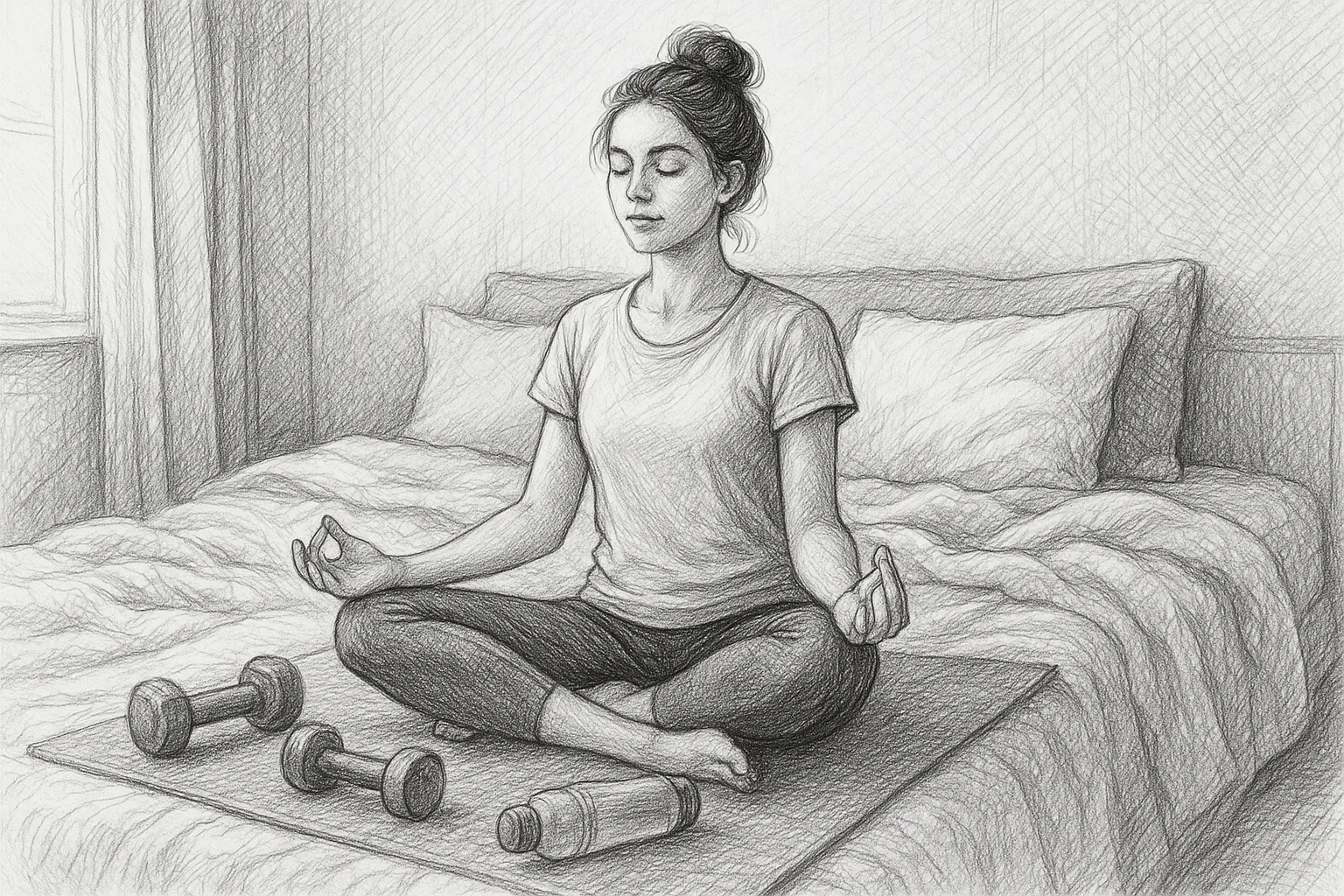
How to Balance Fitness with Rest and Recovery
Finding the right balance between exercise and rest is essential for maintaining long-term health and fitness. While regular physical activity strengthens the body and mind, adequate rest and recovery allow your muscles, joints, and nervous system to repair and rebuild. Without enough recovery, you risk fatigue, injury, and burnout, which can derail your fitness goals.
In this article, we’ll explore practical, sustainable ways to balance fitness with rest and recovery. You’ll learn simple steps to build recovery into your routine, avoid common myths, and develop habits that support your wellbeing for the long haul.
Why Rest and Recovery Matter
Exercise creates stress in your body. When you lift weights, run, or do other workouts, you cause small amounts of muscle damage and deplete energy stores. Recovery is when your body repairs this damage, strengthens muscles, and replenishes energy. This process helps you become fitter and stronger over time.
Ignoring rest can lead to overtraining syndrome, where performance declines, and you feel constantly tired or irritable. Recovery also helps prevent injuries like strains and stress fractures. It’s a vital part of any fitness programme, no matter your level.
Step-by-Step Tips to Balance Fitness and Recovery
- Plan Your Workout Schedule Wisely Alternate hard workout days with easier or rest days. For example, if you do a high-intensity session on Monday, consider a gentle yoga day or complete rest on Tuesday. This helps muscles recover without losing momentum.
- Include Active Recovery On rest days, try light activities like walking, stretching, or swimming. Active recovery increases blood flow, which helps clear waste products from muscles and reduces soreness.
- Listen to Your Body Pay attention to signals like persistent fatigue, muscle soreness lasting more than a few days, or decreased motivation. These signs suggest you may need more rest or a lighter workout.
- Prioritise Sleep Sleep is one of the most important recovery tools. Aim for 7–9 hours per night to support muscle repair, hormone balance, and mental wellbeing.
- Stay Hydrated and Nourished Drinking enough water and eating a balanced diet rich in proteins, healthy fats, and carbohydrates helps fuel recovery. Protein is especially important for muscle repair.
- Incorporate Relaxation Techniques Stress slows recovery, so practices like meditation, deep breathing, or gentle stretching can help your body heal more efficiently.
- Mix Up Your Workout Types Combining strength training, cardio, flexibility, and balance exercises prevents overuse injuries and keeps your routine balanced.
- Use Recovery Tools Wisely Foam rolling, massage, and contrast baths (alternating warm and cold water) can ease muscle tension and speed recovery, but they should complement rest rather than replace it.
Common Myths About Fitness and Recovery
- Myth: More exercise always means better results. Reality: Overtraining can harm performance and health. Quality and rest matter as much as quantity.
- Myth: Rest days are wasted days. Reality: Rest days are when your body adapts and improves. They’re essential, not optional.
- Myth: Muscle soreness means you must train harder. Reality: Soreness indicates muscle stress but doesn’t mean you need intense workouts. Sometimes, lighter activity or rest is better.
- Myth: You should push through pain. Reality: Pain is a warning sign. Ignoring it can cause injuries that sideline you longer.
- Myth: Recovery strategies like foam rolling are quick fixes. Reality: These tools help but can’t replace proper rest, nutrition, and sleep.
Creating a Sustainable Fitness and Recovery Routine
Balancing fitness with rest is a personal journey that depends on your goals, lifestyle, and preferences. Here are some practical suggestions to help you build a sustainable routine:
- Set Realistic Goals: Start with achievable targets that fit your schedule and fitness level. Gradually increase intensity and duration.
- Track Your Progress: Use a journal or app to note workouts, rest days, sleep quality, and how you feel. This helps identify patterns and when you need extra recovery.
- Plan Recovery Just Like Workouts: Schedule rest days and recovery activities as non-negotiable parts of your week.
- Be Flexible: Life happens. If you need extra rest one week, that’s okay. Avoid guilt and focus on consistency over perfection.
- Seek Support: Whether from friends, trainers, or online communities, support can motivate you to keep a balanced approach.
Listening to Your Body: A Key to Balance
Learning to tune into your body’s signals is one of the best ways to balance fitness and recovery. This means recognising when you feel energetic and ready to push yourself, versus when you need to slow down or rest.
Simple practices like mindful breathing, checking your mood and energy levels before workouts, and reflecting after exercise can help you stay connected to what your body needs. Over time, this awareness helps prevent overtraining and keeps your fitness journey enjoyable.
Conclusion
Balancing fitness with rest and recovery is essential for long-term health and performance. By planning your workouts thoughtfully, prioritising sleep and nutrition, listening to your body, and busting common myths, you can create a sustainable routine that supports both physical and mental wellbeing. Remember, rest isn’t a setback—it’s a vital part of progress.
Approach fitness as a lifelong journey where recovery is your ally, not your enemy. With patience and kindness towards yourself, you’ll build habits that keep you strong, motivated, and injury-free.
This article provides general educational information only and is not a substitute for professional medical advice. Always consult a qualified healthcare professional for personal guidance.