
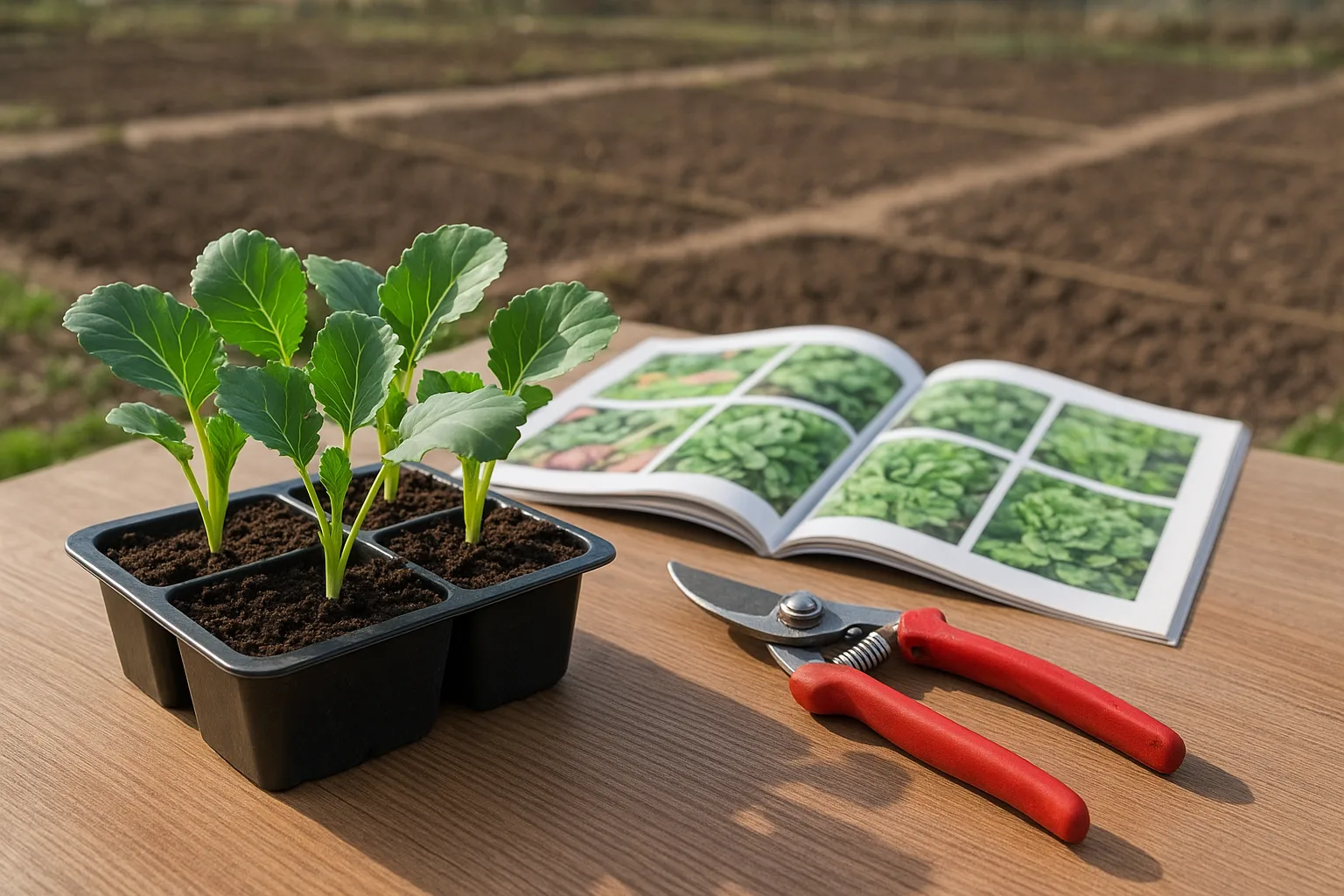
Series: The UK Allotment Year
Phase 1: The Allotment Year — Month by Month — Part 1 of 50
This phase walks through the UK allotment year month by month — from planning in January to reflecting in December. Perfect for beginners or seasoned growers who want a month-by-month checklist for thriving plots.
January on the Allotment: Planning, Pruning, and Seed Catalogues
January often feels like the quietest month on the allotment. The soil is cold, growth is slow, and the plot looks bare under winter skies. But this calm is a perfect chance to prepare for the year ahead. Careful planning now will save time and effort later, while pruning and seed ordering set you up for a healthy, productive growing season. Let’s make the most of January with practical, down-to-earth tasks that UK plot holders can easily fit into short winter days.
Why January Matters
At first glance, there’s little active growing this month. But the key to success lies in preparation. Planning your crop rotation, mapping out your beds, and choosing seeds helps avoid last-minute decisions in spring. Pruning dormant fruit bushes encourages better fruiting later. Plus, seed catalogues arrive in January, offering inspiration and opportunity to select varieties suited to your space, tastes, and local conditions.
Key Tasks for January
1. Plan Your Allotment Layout and Crop Rotation
- Assess last year’s plot: Note which crops grew well, which struggled, and where pests or diseases appeared.
- Rotate crops: Avoid planting the same family in the same spot to reduce soil-borne diseases and nutrient depletion. For example, follow brassicas with legumes or root crops.
- Draw a simple map: Use graph paper or online tools to sketch out beds, paths, and structures. Mark areas for different crops and planning for successive sowings.
- Consider soil improvement: Plan where to add organic matter like compost or well-rotted manure in spring to boost fertility.
2. Prune Fruit Bushes and Trees
- Identify dormant plants: Apple, pear, plum trees and soft fruit bushes such as blackcurrants, gooseberries, and raspberries benefit from winter pruning.
- Use sharp, clean secateurs: Make clean cuts to reduce disease risk.
- Remove dead, damaged or crossing branches: This improves air circulation and light penetration, encouraging healthy growth.
- Thin out older stems on currants and gooseberries: Cut out the oldest wood at ground level to stimulate new growth.
- For raspberries: Cut back summer-fruiting canes to ground level to encourage fresh shoots for the coming season.
3. Order Seeds and Prepare for Early Sowing
- Gather seed catalogues: Many arrive by post or are available online in January.
- Choose varieties suited to your climate and space: Look for disease resistance and maturity dates that fit your growing season.
- Order early to avoid disappointment: Popular seeds can sell out quickly.
- Prepare seed trays and modules: Clean and disinfect containers to reduce damping-off disease risk.
- Start indoor sowing of broad beans or early peas: These hardy crops can be sown indoors in heated propagators or on a sunny windowsill.
4. Maintain Tools and Equipment
- Sharpen blades: Keep secateurs, loppers, and spades sharp for efficient work.
- Clean tools: Remove rust and debris to prolong lifespan and reduce disease spread.
- Check cold frames and cloches: Repair any damage and clean glass or plastic to maximise light.
Quick January Allotment Checklist
- Review last year’s plot and plan crop rotation.
- Draw or update your allotment map.
- Prune dormant fruit bushes and trees with clean, sharp tools.
- Order seed catalogues and select varieties.
- Clean and prepare seed trays and tools.
- Start sowing hardy crops indoors if conditions allow.
- Maintain and repair structures like cold frames and cloches.
Common Mistakes to Avoid in January
- Skipping planning: Neglecting to plan crop rotation can lead to soil exhaustion and pest build-up.
- Pruning at the wrong time: Avoid pruning soft fruit or trees during very wet weather to reduce infection risk. Also, don’t prune frost-damaged wood until it’s clear it’s dead.
- Ordering seeds late: Waiting too long may mean your preferred varieties are out of stock.
- Sowing seeds too early outdoors: Cold soil can prevent germination and cause rotting. Start hardy crops indoors or wait until soil warms.
- Using blunt or dirty tools: This can damage plants and spread disease.
Recommended Tools and Materials for January
- Sharp, well-maintained secateurs and loppers.
- Gloves for protection against cold and thorns.
- Clean seed trays, pots, and modules.
- Graph paper, pencil, or digital planning tools.
- Organic compost or well-rotted manure for soil improvement.
- Cold frame or propagator for early sowing.
- Soft brushes or cloths for cleaning tools.
Eco-Friendly and Organic Tips
January is a great time to source organic seeds, supporting biodiversity and sustainable growing practices. When pruning, save healthy cuttings for propagating new plants rather than buying imported stock. Use homemade compost or local green waste to nourish your soil rather than synthetic fertilisers. Avoid chemical sprays—focus on good hygiene and crop rotation to prevent pests and diseases.
Next Steps for February and Beyond
Once January’s groundwork is done, February will bring more opportunities for early sowing outdoors and continuing pruning. Keep an eye on soil conditions to start preparing beds with organic matter. Plan to sow onions and shallots mid-February if the soil is workable. Keep reviewing your seed plans and ordering any last-minute varieties.
By laying this solid foundation in January, your allotment will be ready to burst into life with the longer days and milder weather ahead. Stay organised, take your time with pruning, and enjoy the anticipation of the growing year to come.
Next: What to Plant in February: Early Crops and Cold Frame Tips