
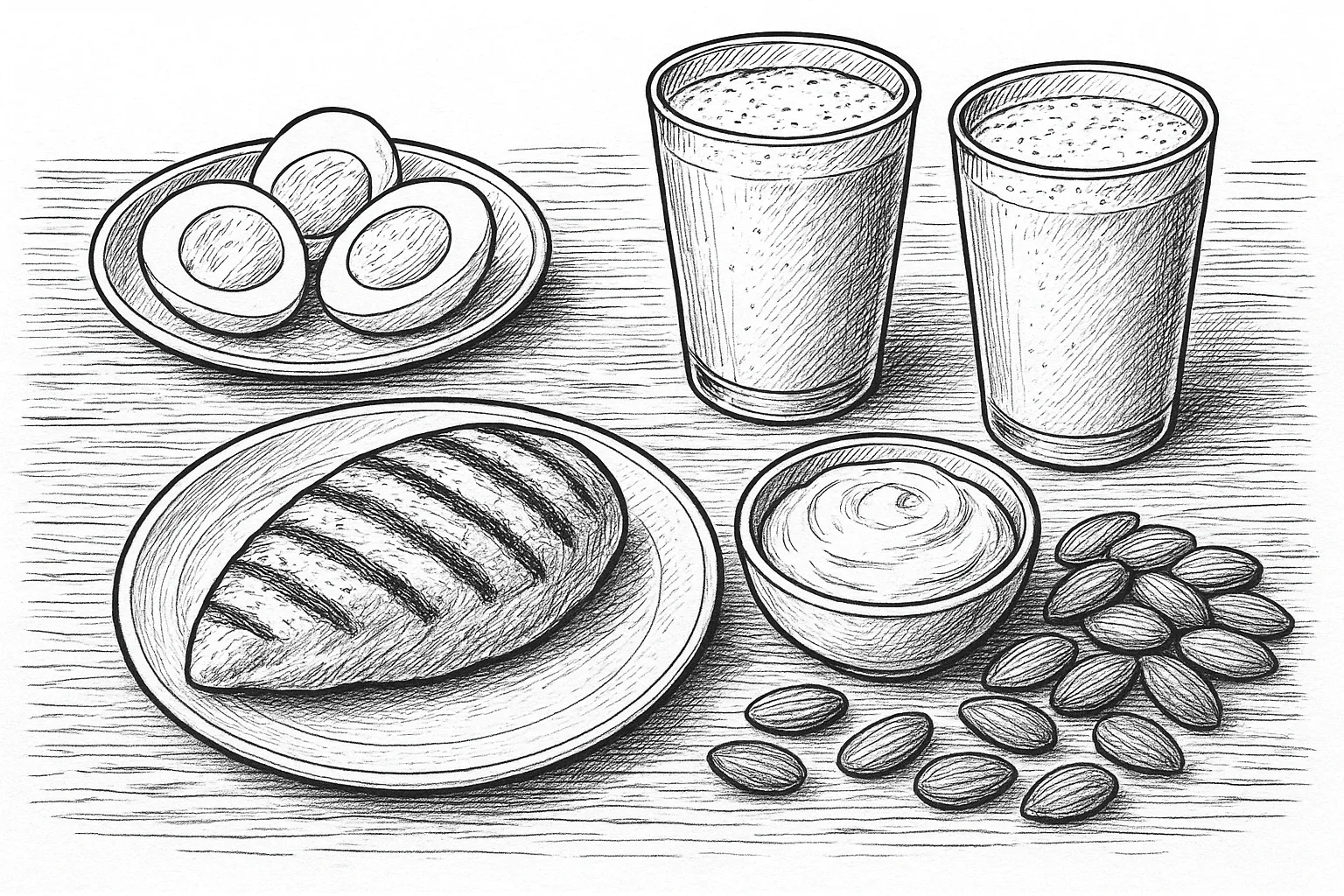
How Protein Helps With Weight Management and Satiety
Protein is often celebrated as a key nutrient for those aiming to manage their weight and feel fuller for longer. But how exactly does protein influence satiety and support sustainable weight control? In this article, we’ll explore the role of protein in your diet, bust common myths, and provide practical, evidence-based tips to help you make protein work for you in daily life.
Understanding Satiety and Weight Management
Satiety is the feeling of fullness and satisfaction after eating, which helps control appetite and prevents overeating. When meals leave you feeling satiated, you are less likely to snack unnecessarily or consume excess calories throughout the day. Weight management is about balancing the calories you take in with those your body uses, and protein plays a unique role in this balance.
Why Protein Is Important for Satiety
Compared to fats and carbohydrates, protein has a stronger effect on satiety. This means meals higher in protein tend to keep you feeling full longer. There are several reasons for this:
- Slower digestion: Protein takes longer to break down in your stomach, which prolongs feelings of fullness.
- Hormone regulation: Protein influences hormones like ghrelin (the hunger hormone) and peptide YY, which help reduce appetite.
- Thermic effect of food: Protein requires more energy to digest, absorb, and process, which can slightly increase the number of calories you burn.
Comparing Protein Sources: Whey, Casein, Soy, and Pea
Not all proteins are created equal, and their effects on satiety and weight management can vary depending on the source. Here’s a quick comparison of four popular proteins:
- Whey Protein: Derived from milk, whey is quickly absorbed and effective at increasing fullness soon after eating. It’s a popular choice for post-workout nutrition and can help reduce hunger between meals.
- Casein Protein: Also from milk, casein digests more slowly than whey, offering longer-lasting satiety. This makes it a good option for sustained fullness, such as before bedtime.
- Soy Protein: Plant-based and complete in amino acids, soy protein provides moderate satiety and is suitable for vegetarians and vegans. It supports muscle maintenance and can be part of a balanced diet.
- Pea Protein: Another plant-based option, pea protein is rich in fibre and digests at a moderate pace. It can help you feel full while being gentle on digestion and is a great choice for those with dairy allergies.
Practical Tips for Using Protein to Manage Weight and Satiety
Incorporating protein thoughtfully into your daily meals can support your weight management goals without feeling restrictive or complicated. Here are some sustainable habits to try:
- Start with a protein-rich breakfast: Including eggs, Greek yoghurt, cottage cheese, or a plant-based protein shake can set a full, energised tone for your day.
- Balance your meals: Aim to include a source of protein with every meal—whether it’s lean meat, fish, tofu, legumes, or dairy—to slow digestion and maintain fullness.
- Snack smart: Choose protein-based snacks like a handful of nuts, a boiled egg, or hummus with vegetable sticks instead of high-sugar, low-protein options.
- Combine protein with fibre: Pair proteins with fibrous vegetables, whole grains, or fruits to further enhance satiety and support digestive health.
- Stay hydrated: Drinking water throughout the day complements protein’s effects and can help distinguish between hunger and thirst.
- Listen to your body: Pay attention to hunger cues and fullness signals to avoid overeating, even if a meal is protein-rich.
Common Myths About Protein and Weight Management
There are many misconceptions about protein that can confuse people trying to manage their weight. Let’s clear up some common myths:
- Myth 1: Eating more protein always leads to weight loss. While protein helps with satiety and muscle maintenance, consuming excess calories from any source—including protein—can lead to weight gain. Balance is key.
- Myth 2: Only animal-based protein is effective. Plant proteins like soy and pea provide quality protein and can support satiety and weight management equally well when eaten in sufficient amounts.
- Myth 3: Protein makes you bulky. Protein supports muscle repair and growth, but building significant muscle requires resistance training and overall calorie surplus, not just protein intake.
- Myth 4: You need protein supplements to see benefits. Whole foods like beans, lentils, eggs, dairy, and lean meats are excellent protein sources that naturally support satiety and weight control.
How to Make Protein a Sustainable Part of Your Lifestyle
Successful weight management is about creating habits you can maintain long term, rather than quick fixes. Here’s how to make protein an easy, enjoyable part of your routine:
- Experiment with different protein sources: Try various animal and plant proteins to find what you enjoy and digest well.
- Prepare meals ahead: Batch cooking protein-rich dishes can reduce mealtime stress and prevent reaching for less nutritious options.
- Incorporate variety: Use herbs, spices, and diverse cooking methods to keep protein meals interesting.
- Focus on whole foods: Prioritise natural protein sources over processed products for better nutrition and satiety.
- Be mindful, not rigid: Allow yourself flexibility and avoid obsessing over exact protein numbers to reduce stress and promote a healthy relationship with food.
Conclusion
Protein plays a valuable role in weight management by helping you feel fuller for longer and supporting your body’s energy use. Both animal-based proteins like whey and casein and plant-based options like soy and pea protein can be effective when incorporated thoughtfully into your diet. By adopting practical habits such as including protein at every meal and choosing whole foods, you can enjoy sustainable satiety and better control over your appetite. Remember, balance and consistency are key to making protein a helpful part of your overall wellbeing journey.
This article provides general educational information only and is not a substitute for professional medical advice. Always consult a qualified healthcare professional for personal guidance.