
Series: Bilaspur Himachal History
Phase 5: Modern Era — Part 28 of 29
Nightfall on the Sutlej: Shadows of a Vanished Kingdom
The air over the Sutlej River, just before dawn, carries a chill that seems to whisper of lost worlds. In the 1950s, villagers along the river’s edge in Bilaspur, Himachal Pradesh, would wake to the thunderous sound of waters rising. Lanterns flickered in hurried homes as families packed away generations of memories—wooden idols, yellowed letters, and the keys to doors soon to vanish beneath the swelling reservoir. A kingdom was drowning, not by conquest, but for the promise of a new India.
The Royal Seat of Bilaspur: Legacy by the River
Bilaspur’s story begins long before the waves came. For centuries, it was the seat of the Chandel Rajputs, a dynasty tracing its lineage back to the 7th century. Their fortress town, built on the banks of the Sutlej, watched over trade routes and mountain passes. The royal family’s palaces and temples reflected a blend of Rajput valor and Pahari artistry. The town’s heart beat in the shadow of the old fort, where rulers like Raja Kahan Chand and Raja Bijai Chand shaped Bilaspur’s fate with alliances and battles that rippled through the Himalayas.
In the early 19th century, as the British East India Company spread its influence, Bilaspur’s rulers managed a delicate balance. The kingdom became a princely state under British suzerainty, retaining its autonomy but adapting to new political realities. Documents from this era, preserved in fragile ledgers and fading ink, reveal a world negotiating tradition and change.
Independence and the Bhakra Dream
As the Second World War ended and India’s independence drew near, a different kind of future loomed over Bilaspur. The new nation looked to the Sutlej’s might to fuel its ambitions. Engineers and planners envisioned the Bhakra Dam—an audacious project that would tame the river, bring light to millions, and irrigate parched fields across Punjab and beyond.
For Bilaspur, this promise came at a steep price. The old town, steeped in centuries of royal history and local lore, would be submerged. Raja Anand Chand, the last ruling monarch, became a pivotal figure in guiding his people through the transition. He negotiated for fair compensation, resettlement, and the preservation of cultural artifacts. Oral histories still recount the king’s final visits through the streets, blessing shrines and bidding farewell to ancestral stones that would soon lie beneath the water’s surface.
Exile and Resettlement: A Town Reborn
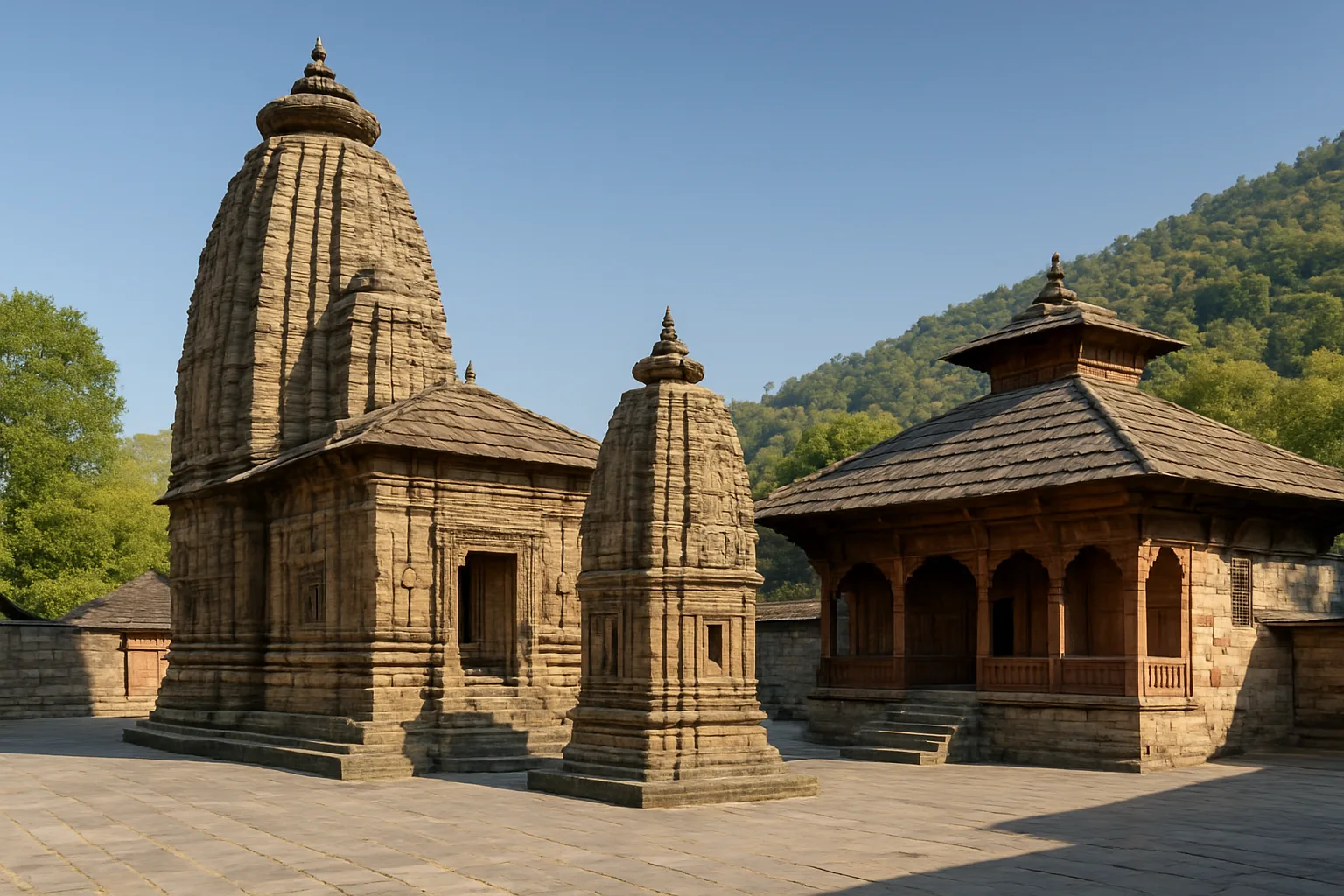
The great exodus began in 1953. Families, merchants, and priests carried what they could to the hills above, where the Indian government promised a new Bilaspur would rise. The process was wrenching—temples dismantled stone by stone, palaces left to the encroaching tide, and cemeteries abandoned. The echoes of conch shells and morning prayers faded as the river claimed the old town.
Yet, resilience marked the spirit of Bilaspur. In the years that followed, the new township took shape on higher ground. Wide roads and government offices replaced the winding bazaar lanes. Schools and hospitals appeared, seeded by the compensation and policies crafted during those anxious months of resettlement. The displaced found new homes and livelihoods, their memories of the lost city kept alive in festivals and fireside tales.
The Bhakra Dam: Monument of Modernity
By 1963, the Bhakra Dam stood as a marvel of engineering, its colossal concrete arc holding back a reservoir that stretched for miles. For India, it was a symbol of progress—a “temple of modern India” in Nehru’s words. For Bilaspur, it was both a grave and a new beginning. The dam brought electricity, jobs, and a new economic pulse to the region. Generations of engineers, workers, and administrators flocked to Bilaspur, mixing local traditions with influences from across the subcontinent.
Yet, beneath the surface of Gobind Sagar Lake, the outlines of submerged temples and palaces linger. During drought years, when the water recedes, villagers sometimes glimpse the spires of the old city—ghostly reminders of what was given up for the nation’s future.
Remembering the Past: Heritage and Identity
The passage of decades has not dulled Bilaspur’s sense of self. The descendants of royal families, old traders, and resettled villagers continue to honor the festivals and rituals of their ancestors. The Naina Devi temple, perched on a hill overlooking the district, draws pilgrims from across Himachal and Punjab—its legends entwined with the region’s spiritual fabric.
Museums and archives in Bilaspur preserve relics salvaged from the old town: coins, idols, and manuscripts that survived the flood. Local historians and writers, inspired by memories and archival records, have documented the kingdom’s saga, ensuring it remains part of the region’s living heritage. The annual fairs and folk performances keep alive the voices of bards who once sang in the royal courts.
Bilaspur Today: Living with the River
Modern Bilaspur is a town shaped by water and memory. Its markets bustle with the energy of a community rebuilt, while its lakeside gardens offer quiet spaces to reflect on all that was lost and gained. The Bhakra Dam continues to power homes and dreams across northern India, its presence a daily reminder of both sacrifice and resilience.
The story of Bilaspur is one of adaptation—of a people who saw their world submerged yet found ways to honor their past and embrace the future. The ghosts of old Bilaspur linger in song, story, and ritual, shaping the identity of a community that knows the true meaning of endurance.
The River’s Lesson
As the sun sets over Gobind Sagar, its waters shimmer with history. Bilaspur’s journey from a princely seat to a modern township reminds us that progress often demands painful choices. Yet, the community’s ability to remember, rebuild, and renew stands as a testament to the human spirit. Today, the people of Bilaspur carry with them the legacy of their ancestors—never forgetting the city beneath the lake, and ever looking forward to the possibilities that flow along the Sutlej’s restless current.
Previous: Modern Bilaspur: Between Development and Memory
Next: Bilaspur’s Past, Present, and an Unwritten Future