
Series: Bilaspur Himachal History
Phase 5: Modern Era — Part 26 of 29
The Night the River Rose
The air was thick with anticipation and anxiety as the people of Bilaspur gathered their belongings, glancing one last time at the homes their families had tended for generations. In the spring of 1963, the Sutlej river, harnessed by the monumental Bhakra Dam, began to rise. The old town of Bilaspur—its bazaars, temples, and colonial-era schools—slowly slipped beneath the swelling waters of the Gobind Sagar. For the first time since the 17th century, Bilaspur’s heart was forced to beat elsewhere.
This was not just the story of a town lost, but of a community’s unyielding will to survive and redefine itself. As the river claimed its streets, Bilaspur’s people looked uphill, toward the promise of new beginnings. The transformation that followed would shape the very identity of modern Bilaspur, echoing in every corner of the Himachal hills today.
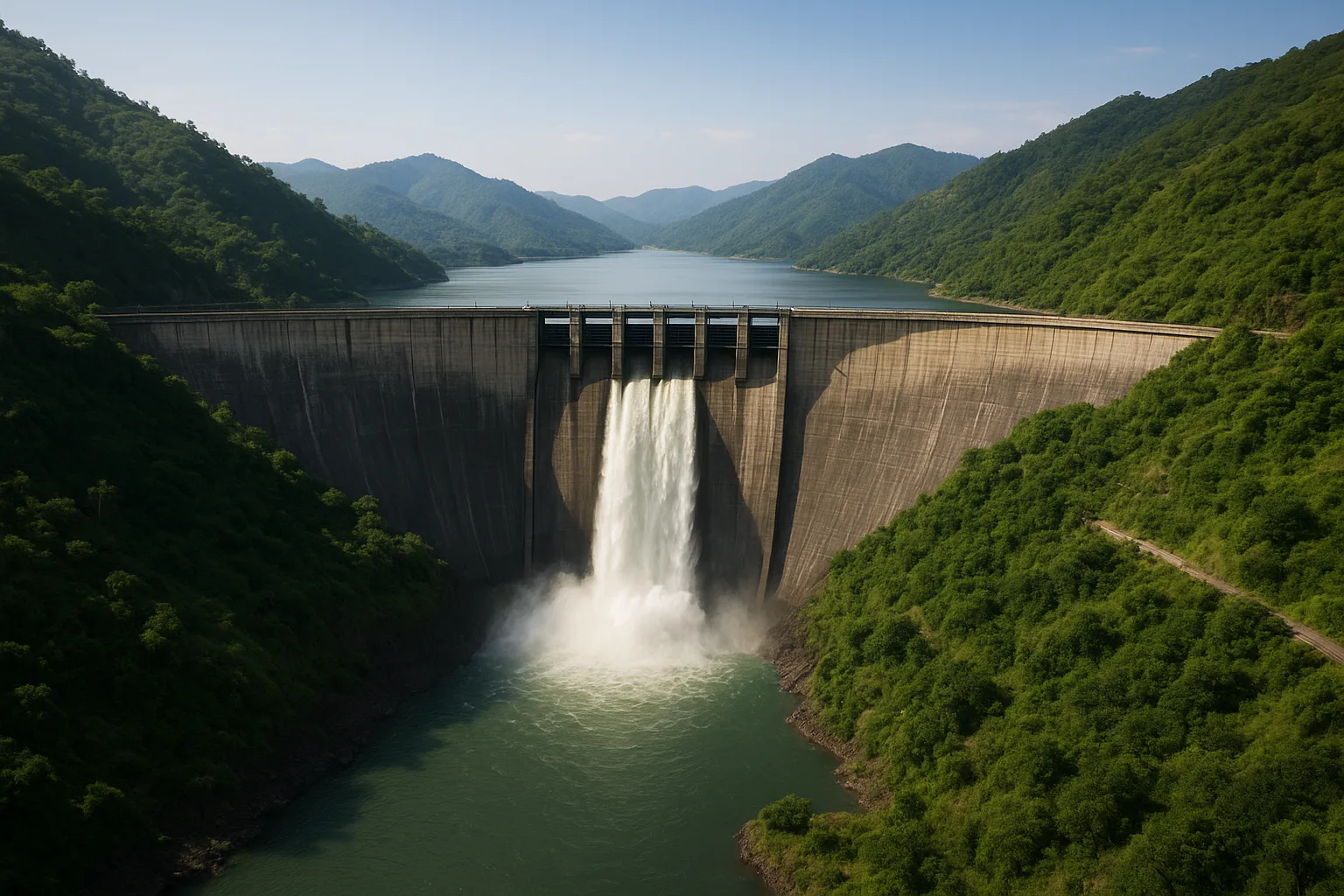
Bhakra Dam: India’s Modern Temple
The vision for the Bhakra Dam predated India’s independence, but its construction in the young republic’s first decade became a symbol of national hope. Jawaharlal Nehru, India’s first Prime Minister, called it a “Temple of Modern India.” For Bilaspur, however, the promise came with a heavy price.
By 1955, as engineers and workers from across the country converged on the deepening gorge, Bilaspur’s fate was sealed. The town that had once been the seat of Rajput rulers, and later a princely state under British suzerainty, would be submerged. For many, the dam was a marvel; for Bilaspur’s residents, it demanded sacrifice beyond imagination.
The displacement of thousands was not just a logistical operation but a social upheaval. Families relocated to hastily planned resettlement colonies on higher ground. The bustling life of temples like Naina Devi and Laxmi Narayan shifted to new neighborhoods. Memories—etched in sandstone and mud—were left where the water now shimmered.
Rebuilding on the Hills: The New Bilaspur
The process of rebuilding Bilaspur was both daunting and inspiring. Planners, many of whom were influenced by modernist ideals, designed a new town on the slopes, above the reach of the reservoir. Streets were laid wider, and civic buildings rose in concrete, a stark contrast to the ornate woodwork and narrow alleys of the old town. The new Bilaspur, officially inaugurated in 1963, became a laboratory for post-independence urban planning.
Yet, the spirit of the old Bilaspur refused to vanish. Residents recreated their festivals, markets, and communal spaces, blending tradition with the realities of modern infrastructure. The town’s iconic fairs, like the Nalwari cattle fair, continued to draw crowds, now against the backdrop of the vast Gobind Sagar Lake. The new settlement fostered a unique sense of unity—a shared memory of loss and a collective drive to thrive.
Gobind Sagar: The Lake That Changed Everything
Gobind Sagar, named in honor of Guru Gobind Singh, is more than a reservoir. It became a lifeline for the region, providing water, irrigation, and hydroelectric power. Its creation gave rise to a new economy—one that balanced the needs of agriculture, fisheries, and tourism.
The lake, with its shimmering expanse and wooded islands, drew people from across North India. Pilgrims flocked to ancient shrines that now overlooked the water rather than the river. Fishermen, some of whom were once farmers, learned new skills to harvest the lake’s bounty. Bilaspur reinvented itself as a gateway to adventure, attracting visitors to water sports, boat races, and scenic vistas along the reservoir’s edge.
But the lake also remained a reminder. Each summer, as water levels dropped, outlines of submerged temples and walls sometimes appeared—a ghostly echo of the town below. Elders would recount stories of lost homes, their narratives shaping the identity of generations born after the flood.
Rise of Education and Civic Life
With resettlement came new opportunities. Modern schools and colleges opened, drawing students from across Himachal Pradesh. Bilaspur’s strategic location on the Chandigarh-Manali highway fueled commerce and connection. The town emerged as a hub for government offices, courts, and health services.
Key figures, such as Raja Anand Chand and his descendants, played vital roles in preserving heritage, supporting educational initiatives, and guiding the transition from feudal authority to democratic participation. The Bilaspur Municipal Committee, established shortly after independence, became a model of grassroots governance. Women’s groups, youth clubs, and cooperative societies flourished, weaving a new civic fabric atop the old foundations.
Political Awakening and Modern Identity
The story of modern Bilaspur is also political. After merging into Himachal Pradesh in 1954, Bilaspur became a crucible for regional leadership. Its representatives, including prominent legislators and freedom fighters’ descendants, championed local interests in the state assembly. The wounds of displacement slowly gave way to a new pride—one rooted in resilience and contribution to the wider Himachal identity.
Bilaspur’s festivals, dialects, and customs, once distinct, became woven into the larger tapestry of the hill state. Yet, the memory of the old town, submerged forever, continued to shape debates on development, heritage, and environmental stewardship. The lessons of the past—of sacrifice and adaptation—remained vivid in public consciousness.
Bilaspur Today: Memory and Modernity
Today, Bilaspur stands as a testament to the power of community. The town’s lakeside promenades, bustling markets, and vibrant temples all bear witness to a history interrupted but never erased. Annual commemorations for those displaced by the dam, as well as efforts to preserve oral histories, ensure that the story of old Bilaspur endures in collective memory.
The challenges continue: balancing economic growth with ecological care, safeguarding heritage in the face of modernization, and nurturing the aspirations of a new generation. Yet, the people of Bilaspur have learned to find strength in continuity and change alike. Their journey—from submergence to resilience—reminds us that history is not merely what is lost, but what is forged anew.
The shadows of submerged temples and homes may rest beneath the Gobind Sagar, but above the waterline, Bilaspur lives on—steadfast, adaptive, and ever forward-looking. Its story is not just of a town, but of a spirit that refuses to be drowned.
Previous: The Day Bilaspur Town Went Underwater
Next: Modern Bilaspur: Between Development and Memory