
Series: Finance for Kids
Phase 3: Saving Foundations & Habits — Part 33 of 166
Understanding Money: Helping Kids Learn the Basics
Money is a big part of our lives, but it can be confusing, especially for children. Teaching kids about money from a young age can help them make smart choices as they grow up. In this article, we will explore simple ways to help children understand the basics of money, including saving, spending, and sharing.
1. Start with the Basics
The first step is to introduce your child to what money is. You can explain that money is what we use to buy things we need or want. Here are some simple points to cover:
- What is money? Money comes in different forms, like coins, notes, and even digital money.
- Why do we need money? We need money to buy food, clothes, toys, and pay for services like school or healthcare.
- Where does money come from? Money is earned by working. Adults earn money by doing jobs.
2. Introduce the Concept of Earning
Many kids enjoy chores or small tasks around the house. You can use these tasks as a way to teach them about earning money. Here’s how:
- Assign age-appropriate chores. Simple tasks like tidying their room or washing the dishes can earn them a small allowance.
- Discuss the concept of work. Explain that they earn money for the work they do, just like adults.
- Set clear expectations. Let them know how much they can earn for each task and how often they will receive their allowance.
3. The Importance of Saving
Saving is a crucial part of managing money. To help kids understand saving, try these tips:
- Set savings goals. Encourage your child to save for something they want, like a toy or a game. Help them decide how much they need to save and for how long.
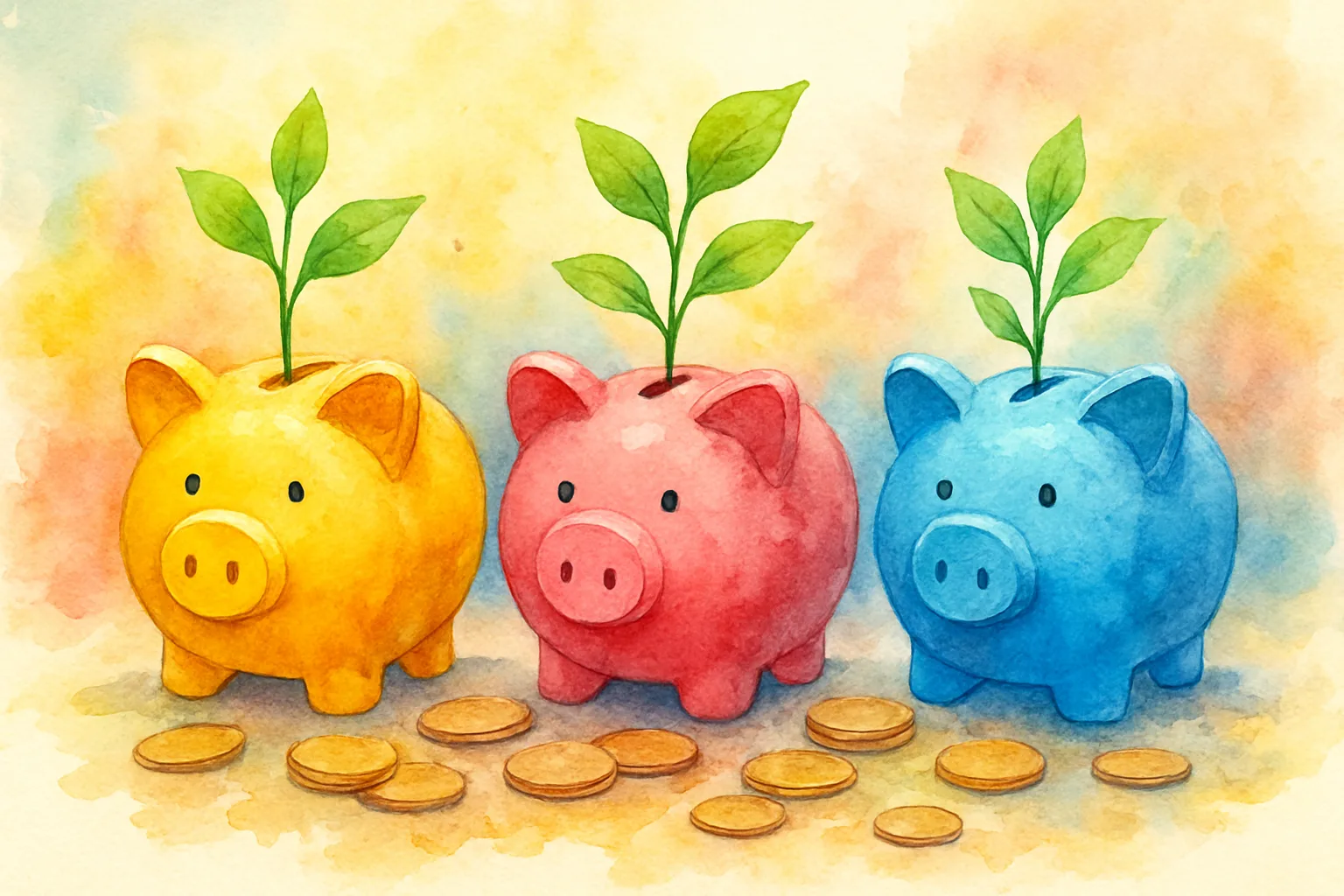
- Use a piggy bank or savings jar. Let them watch their savings grow. It’s exciting to see coins pile up!
- Celebrate their savings milestones. When they reach a savings goal, celebrate their achievement. This reinforces the value of saving.
4. Spending Wisely
Once your child understands earning and saving, it’s time to talk about spending. Here are some ideas:
- Discuss needs vs. wants. Help them understand the difference between things they need (like food and clothes) and things they want (like toys and games).
- Involve them in shopping. Take them grocery shopping and discuss prices. Ask them to help choose between brands or products based on value.
- Teach them to compare prices. Show them how to look for deals and discounts. This makes spending smarter.
5. Sharing and Giving Back
Teaching kids about sharing and giving is also important. Here are some ways to encourage this value:
- Encourage donations. Discuss donating a portion of their allowance or savings to a charity they care about.
- Get involved in community service. Participate in local events that help those in need. This teaches empathy and the joy of giving.
- Lead by example. Show your child how you give back, whether it’s through donations, volunteering, or helping friends and family.
6. Common Myths About Money
There are many myths about money that can confuse children. Here are a few to clarify:
- Myth: Money grows on trees. Reality: Money must be earned through work and effort.
- Myth: Saving is boring. Reality: Saving can be fun, especially when it leads to buying something special.
- Myth: You must have a lot of money to be happy. Reality: Happiness comes from experiences and relationships, not just money.
Conclusion
Teaching kids about money is a valuable gift that will serve them well in life. By starting with the basics of earning, saving, spending wisely, and sharing, you can help them build a strong foundation for their financial future. Remember to make learning fun and engaging, and it will stick with them for years to come.
This article provides general educational information only and is not financial advice. Always seek guidance from a qualified professional for personal financial decisions.
Previous: Teaching Kids the Power of Consistent Saving
Next: Explaining Why Some Savings Grow Faster Than Others