
Series: History of Hamirpur, Himachal Pradesh, India
Phase 1: Ancient & Early Roots — Part 1 of 30
This article is part of a broader historical series exploring the earliest layers of human presence in the western Himalayas. Beginning with landscape, belief, and early patterns of movement and settlement, the series traces how communities adapted to mountainous environments long before formal states or written records emerged. These foundational centuries shaped cultural memory, local traditions, and relationships with the land that would endure through later periods of change.
The Whispering Dawn: A Village on the Edge of Memory
In the pre-dawn hush, mist drifts over the undulating hills of Hamirpur. Towering deodars stand watch, their roots clutching stones older than the memory of kings. Here, before palaces or battle cries, the land teemed with stories—some whispered by elders, others etched by ancient feet across riverbanks and ridgelines. Imagine a solitary figure, wrapped in wool and hope, pausing at the edge of the Beas tributary as the first rays touch the valley. This was not yet Hamirpur, but the seed of its future was stirring beneath the soil.
Land Before Names: Prehistoric Life Along the Hills
Long before written records, the region now called Hamirpur was a mosaic of forests, grasslands, and river valleys. Archaeological finds across Himachal Pradesh—stone tools, microliths, pottery shards—suggest human presence dating back at least 8,000 years. Nomadic hunter-gatherers roamed these hills, following game and the rhythm of the seasons. Their campsites near the Satluj and Beas rivers hint at a world where survival demanded both agility and respect for nature’s moods.
As the climate mellowed after the last Ice Age, these early inhabitants began to settle, drawn by the fertile alluvial soils and abundant water. The hills provided shelter from flooding and invaders, while the forests yielded fruit, honey, and medicinal herbs. Even now, village elders recall folk tales of ancient spirits—echoes, perhaps, of this distant era.
Echoes of the Vedic Age: Myths and Early Settlements
By the second millennium BCE, the broader region saw the gradual arrival of Indo-Aryan tribes. The epic sweep of the Rigveda references the mighty Sarasvati and Yamuna rivers; though Hamirpur itself is not named, its valleys lay close to these mythic geographies. Oral traditions speak of rishis—wisemen or seers—who sought solitude in the hills to meditate. Sacred groves, now lost to time, once dotted these slopes, and it is believed that early settlements began to cluster around such spiritual sites.
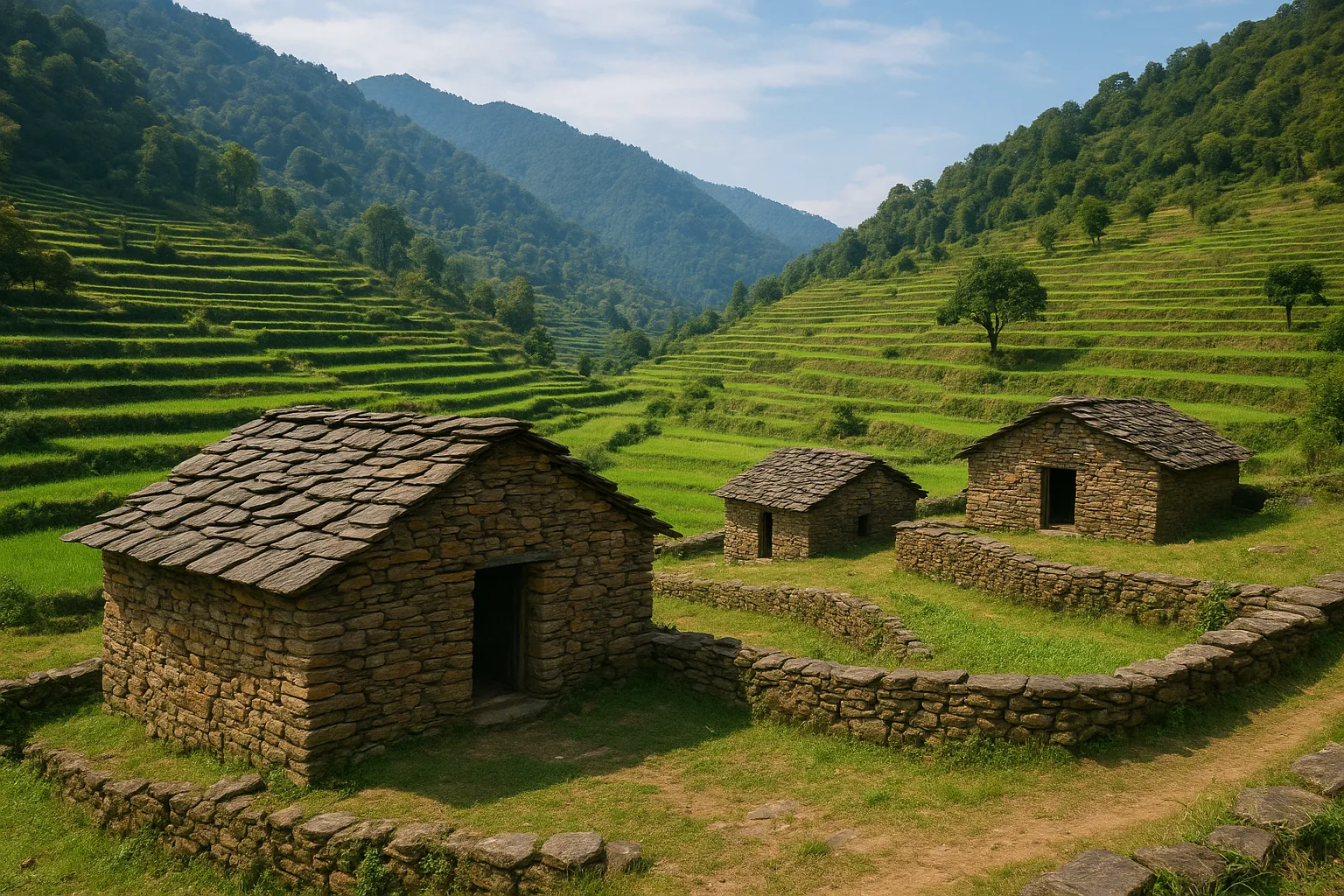
Material traces from this era remain elusive, yet the patterns of terraced agriculture and the continuity of certain rituals suggest a living thread connecting present-day customs to ancient Vedic roots. The land itself—its stones, streams, and even its silences—became part of the human story.
Waves of Migration: Tribes, Clans, and the Puzzle of Identity
Over centuries, Hamirpur’s hills became a crossroads for waves of migrants. The Kols and Bhots, indigenous tribes with deep Himalayan roots, are believed to be among the earliest inhabitants. Later, the arrival of Tibeto-Burman and Indo-Aryan groups transformed the social fabric. These migrations were not always peaceful: legends abound of skirmishes over grazing lands and water sources, yet intermarriage and trade gradually wove disparate clans into a shared tapestry.
Village names, dialects, and customs across the region still carry faint traces of these early encounters. The practice of revering local deities—devtas—may well predate organized temple worship, reflecting a world where every grove and spring possessed its own guardian spirit.
The Rise of Hamirpur’s Early Chiefs
By the first millennium BCE, as iron tools and more sophisticated farming methods spread, the region’s settlements grew in complexity. Small chiefdoms emerged, led by local strongmen or clan heads. While the great mahajanapadas—republics and monarchies—flourished on the Indo-Gangetic plains to the south, Hamirpur and its neighbors maintained a fierce independence. Oral genealogies compiled much later mention legendary figures such as Raja Hamer Chand, though his historical existence is debated. What is clear is that these early chiefs mediated disputes, led rituals, and defended their people against raiders from the plains.
Trade routes began to thread through the hills, bringing salt, cloth, and new ideas. Ancient fords across the Beas connected Uhamirpur to distant kingdoms, while seasonal fairs drew traders and holy men from far afield. The seeds of a more organized society were being sown.
From Silence to Story: The Early Cultural Identity of Uhamirpur
By the time Buddhist travelers like Xuanzang traversed northern India in the 7th century CE, the hills of modern-day Hamirpur had developed a distinct cultural rhythm. Buddhist and Jain influences mingled with older animist traditions. Small stupas and hermitages, now lost, may once have dotted the landscape, their stories surviving only in fragments of folk memory.
Folk songs and oral epics—passed down from grandmother to grandchild—hint at ancient struggles, migrations, and feasts. These tales, while embroidered over centuries, reflect enduring values: respect for the land, courage in adversity, and reverence for ancestors. Even today, village festivals echo with chants and rituals whose origins reach deep into the mists of prehistory.
Legacy in the Landscape: Ancient Roots, Modern Identity
In the quiet moments before sunrise, as the valley stirs awake, Hamirpur’s ancient heritage reveals itself not in monuments, but in the patterns of daily life. Terraced fields trace the wisdom of forgotten farmers; village fairs and ancestral shrines keep alive the memory of those who came before. The blending of tribal, Aryan, and Himalayan influences across millennia forged a community both resilient and open to change.
This deep-rooted history continues to shape Hamirpur’s identity. The pride in local customs, the reverence for elders, and the impulse to protect the land—all these are gifts from the distant past. As the series unfolds, we will see how these ancient foundations set the stage for the rise of kingdoms, the forging of alliances, and the making of legends that would echo far beyond Himachal’s hills.
Next: Geography That Shaped Early Hamirpur Civilisation