
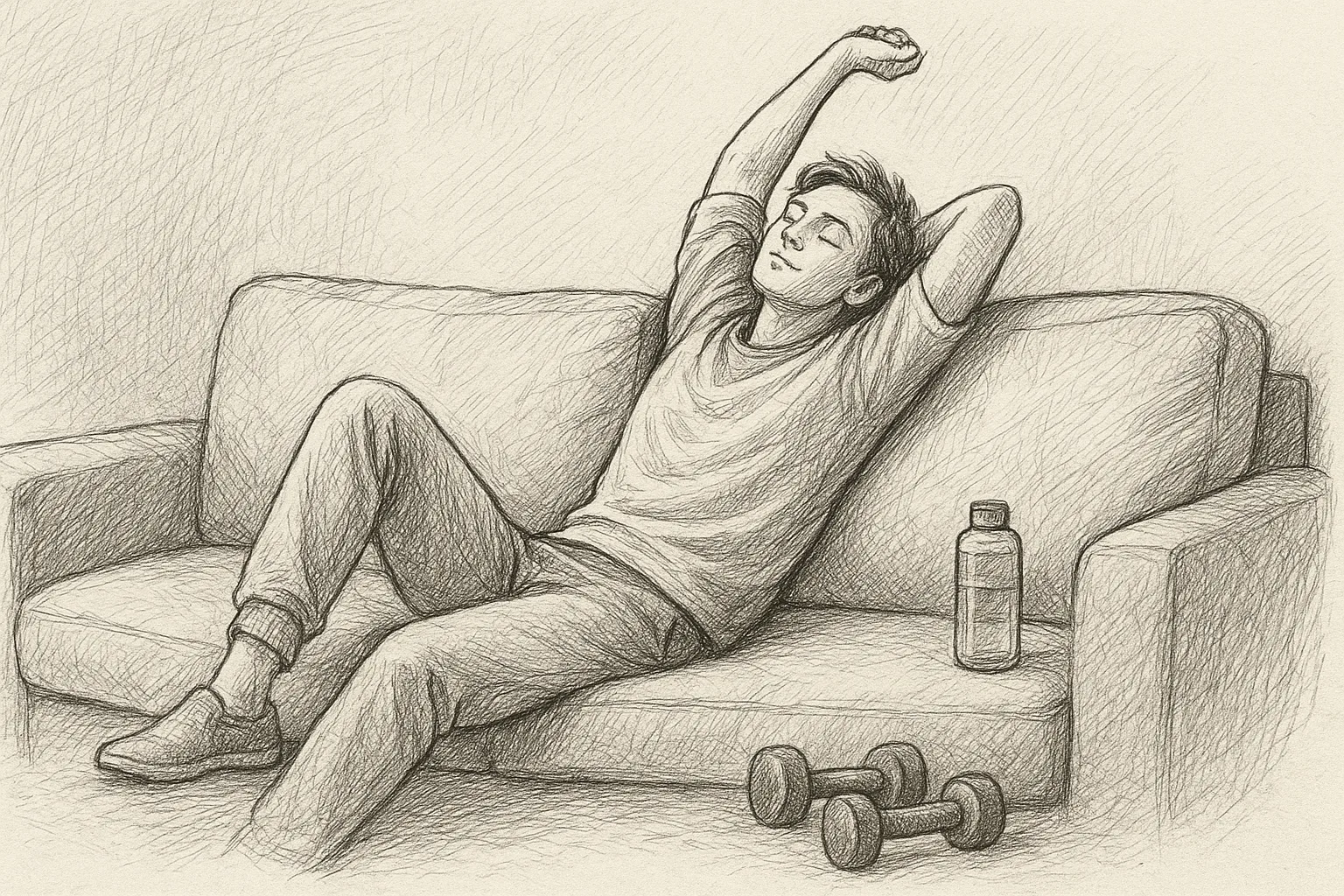
Why Rest Days Are Important for Fitness Progress
When it comes to fitness, many people believe that pushing harder every day leads to faster results. However, rest days are a crucial part of any fitness journey, playing a vital role in helping your body recover, reduce injury risk, and improve overall performance. Understanding why rest days matter can help you build a sustainable and effective routine that supports long-term wellbeing rather than short bursts of intense effort.
What Happens to Your Body on Rest Days?
Exercise, especially strength training or high-intensity workouts, creates small tears in your muscle fibres. These micro-tears are a normal part of the process, and during rest, your body repairs them, making your muscles stronger and more resilient. Without adequate rest, your muscles may not fully recover, which can lead to fatigue, decreased performance, and a higher chance of injury.
Rest days also allow your nervous system to recover. Intense training stimulates your nervous system heavily, and giving it time to recuperate can improve coordination, focus, and overall energy levels.
Common Myths About Rest Days
- Myth 1: Rest days make you lose progress. In reality, rest days help consolidate gains made during workouts. Skipping rest can lead to burnout and setbacks.
- Myth 2: You must be active every day to see results. While daily movement is beneficial, it doesn’t have to be intense exercise. Rest days can include gentle activities like walking or stretching, keeping your body moving without strain.
- Myth 3: Rest days are only for beginners or injured people. Everyone needs rest, regardless of experience level. Even elite athletes schedule rest and recovery to maintain peak performance.
Benefits of Taking Regular Rest Days
- Muscle Repair and Growth: Rest days give your muscles time to heal and grow stronger.
- Injury Prevention: Overtraining can increase the risk of strains, sprains, and stress fractures. Rest reduces this risk.
- Improved Performance: After rest, you’ll often feel more energised and able to push harder in your workouts.
- Mental Wellbeing: Taking breaks helps prevent exercise burnout and keeps motivation high.
- Hormonal Balance: Rest supports healthy hormone levels, including those related to stress and muscle growth.
How to Incorporate Rest Days Into Your Fitness Routine
Here are some practical tips to make the most of your rest days and ensure they support your fitness progress.
1. Plan Your Rest Days Ahead
Decide on specific days of the week for rest to create structure. For example, if you work out 5 days a week, consider resting on the 2 days in between or after intense sessions.
2. Listen to Your Body
Sometimes you may need extra rest if you feel unusually tired, sore, or mentally drained. It’s okay to adjust your schedule accordingly.
3. Stay Active Lightly
Rest doesn’t mean complete inactivity. Gentle activities like walking, yoga, or stretching can aid circulation and help reduce stiffness without stressing your muscles.
4. Focus on Nutrition
Proper nutrition supports recovery. Aim for balanced meals with enough protein, healthy fats, and carbohydrates to fuel muscle repair and replenish energy stores.
5. Prioritise Sleep
Quality sleep is one of the most effective ways to recover. Try to get 7–9 hours of restful sleep each night, and create a calming bedtime routine.
6. Use Relaxation Techniques
Stress can hinder recovery, so consider mindfulness, meditation, or breathing exercises to promote relaxation on rest days.
7. Avoid Overdoing It on Rest Days
Avoid replacing your usual workout with another intense activity. The goal is to give your body a break, not just switch to a different form of stress.
How Many Rest Days Do You Need?
The number of rest days varies depending on your fitness level, workout intensity, and personal goals. For many adults, 1-2 rest days per week is a good starting point. If you’re new to exercise, you might need more frequent breaks. Experienced athletes may incorporate active recovery days—light activity focused on mobility and circulation—alongside full rest days.
Signs You Might Need More Rest
- Persistent muscle soreness or joint pain
- Decreased workout performance or motivation
- Increased irritability or difficulty focusing
- Feeling unusually tired despite adequate sleep
- Frequent illness or slow healing of minor injuries
Remember, rest is not a sign of weakness or laziness. It is an essential part of the process that allows your body and mind to adapt positively to the challenges of exercise.
Conclusion
Rest days are a vital ingredient in your fitness progress. They provide your muscles and nervous system time to recover, help prevent injuries, and improve both physical and mental performance. By planning rest days, listening to your body, and incorporating light activity and good nutrition, you create a balanced routine that supports long-term wellbeing. Embracing rest as part of your fitness journey will help you stay motivated, avoid burnout, and enjoy sustainable results.
This article provides general educational information only and is not a substitute for professional medical advice. Always consult a qualified healthcare professional for personal guidance.