
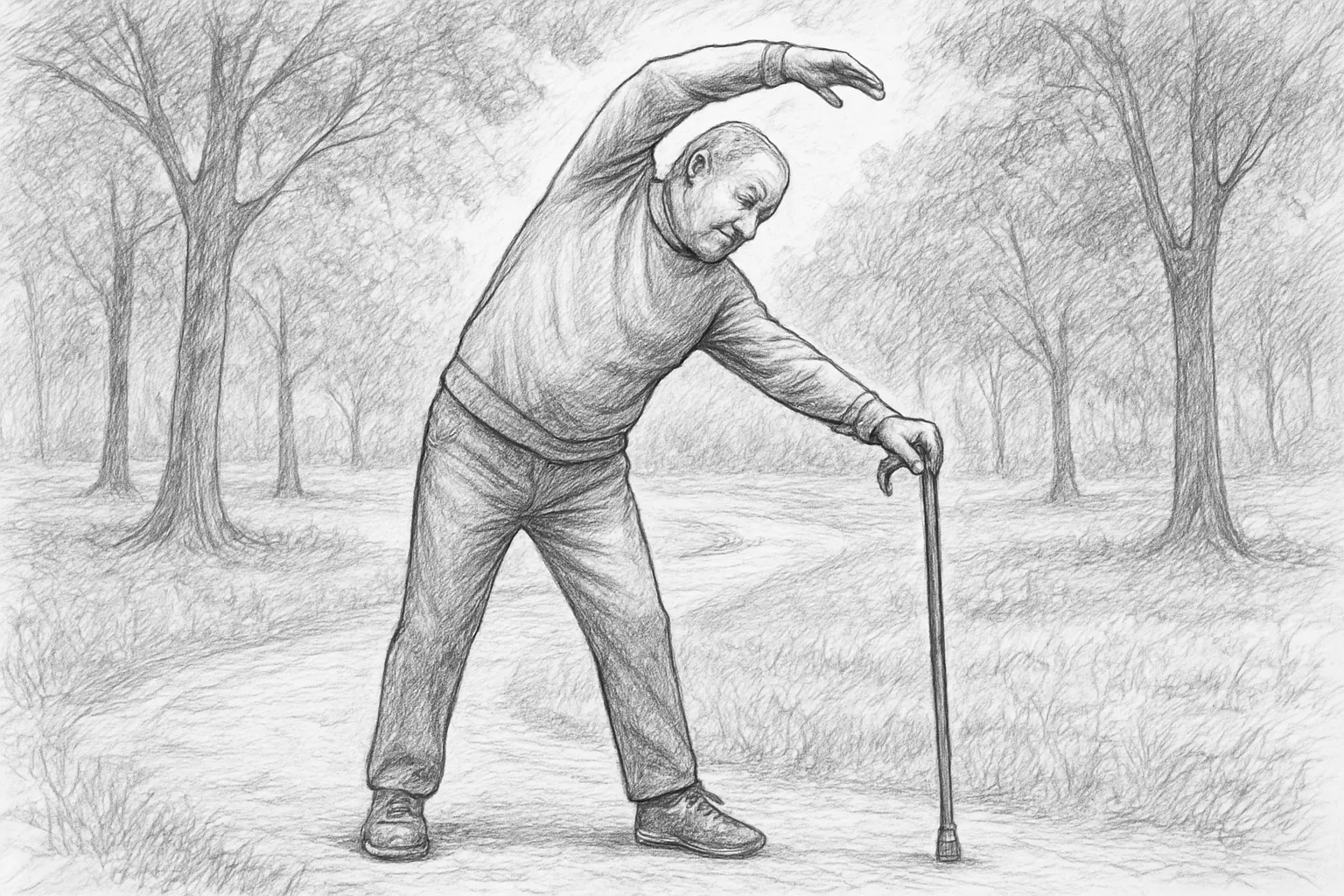
Why Mobility Matters as You Get Older
As we get older, staying mobile becomes more important than ever. Mobility – the ability to move freely and easily – is a key factor in maintaining independence, preventing falls, and enjoying a better quality of life. But why exactly does mobility matter, and how can you nurture it with simple, realistic habits? Let’s explore practical ways to keep moving well at any age.
What Does Mobility Mean?
Mobility involves more than just walking. It includes your flexibility, balance, strength, and coordination – all the elements that help you perform everyday activities like climbing stairs, reaching for items, or getting up from a chair. Good mobility helps you stay active, social, and engaged with life.
Why Does Mobility Become More Important as You Age?
- Maintaining independence: Being able to move safely and confidently means you can look after yourself and enjoy daily tasks without relying heavily on others.
- Reducing risk of falls: Falls are a common health risk for older adults. Strong muscles, good balance, and flexibility help prevent accidents.
- Supporting overall health: Staying active boosts heart health, mental wellbeing, and can reduce the risk of chronic conditions.
- Enhancing mood and confidence: Moving freely can improve mental health by lowering stress and increasing feelings of accomplishment.
Practical, Sustainable Habits to Improve Mobility
1. Start with Gentle Stretching
Flexibility tends to decrease with age, making simple movements harder. Incorporate gentle stretches into your routine to keep muscles and joints supple. Try stretching major muscle groups for 5-10 minutes daily, focusing on areas like your legs, hips, back, and shoulders.
2. Incorporate Balance Exercises
Balance exercises strengthen your core and help prevent falls. Simple examples include standing on one leg while holding onto a chair, heel-to-toe walking, or gentle yoga poses like tree pose. Aim to practice balance exercises about three times a week.
3. Build Strength Gradually
Muscle strength supports joint health and mobility. You don’t need a gym; bodyweight exercises such as squats, wall push-ups, and step-ups are effective. Start with low repetitions and increase gradually as your strength improves.
4. Keep Moving Every Day
Even light activity counts. Walking, gardening, or dancing can help maintain your mobility. Aim for at least 30 minutes of moderate activity most days, breaking it into shorter sessions if needed.
5. Listen to Your Body
Pay attention to how your body feels during and after movement. Some mild discomfort is normal when trying something new, but sharp pain is a signal to stop and adjust. Rest and recovery are essential parts of maintaining mobility.
6. Use Supports and Aids When Needed
If balance or joint pain limits your movement, don’t hesitate to use walking sticks, supportive footwear, or braces. These tools can help you stay active safely and comfortably.
Common Myths About Mobility and Ageing
Myth 1: “It’s normal to become immobile as you get older.”
While some loss of flexibility and strength is natural, significant immobility is not inevitable. Staying active can slow and even reverse many age-related mobility changes.
Myth 2: “Exercise is risky for older adults.”
When done safely and appropriately, exercise is one of the best ways to improve mobility and reduce injury risk. Start slowly and choose activities that feel manageable.
Myth 3: “I’m too old to improve my mobility.”
Age is not a barrier to improvement. Many people in their 70s, 80s, and beyond see progress in mobility with consistent, gentle practice.
Myth 4: “Mobility only matters if you have health problems.”
Good mobility benefits everyone, regardless of current health status. It helps you enjoy life fully and reduces the chance of future problems.
Step-by-Step Guide to Start Improving Your Mobility Today
- Assess your current activity level: Note how much you move daily and identify areas that feel stiff or weak.
- Set simple goals: For example, “I will stretch for 5 minutes each morning” or “I will walk around the block three times a week.”
- Create a routine: Schedule your mobility exercises at times that suit you and stick to them.
- Include variety: Combine stretching, balance, strength, and aerobic activities for overall benefit.
- Track your progress: Keep a journal or use an app to note improvements and stay motivated.
- Seek support: Join group classes, walk with friends, or ask family to encourage your efforts.
- Adjust as needed: Modify activities if they cause discomfort or if your needs change.
Conclusion
Maintaining mobility as you age is essential for independence, health, and happiness. By adopting simple, sustainable habits like gentle stretching, balance exercises, and regular movement, you can keep your body agile and strong. Remember, it’s never too late to start, and progress comes with patience and consistency. Embrace mobility as a vital part of your wellbeing journey, and enjoy the freedom it brings.
This article provides general educational information only and is not a substitute for professional medical advice. Always consult a qualified healthcare professional for personal guidance.