
Series: The UK Allotment Year
Phase 5: Allotment Life & Community — Part 39 of 50
The culture, creativity, and joy of allotment life — covering etiquette, shared spaces, wellbeing, family gardening, and DIY projects for the off-season.
The Joy of the First Harvest: Why Allotment Growing Is Addictive
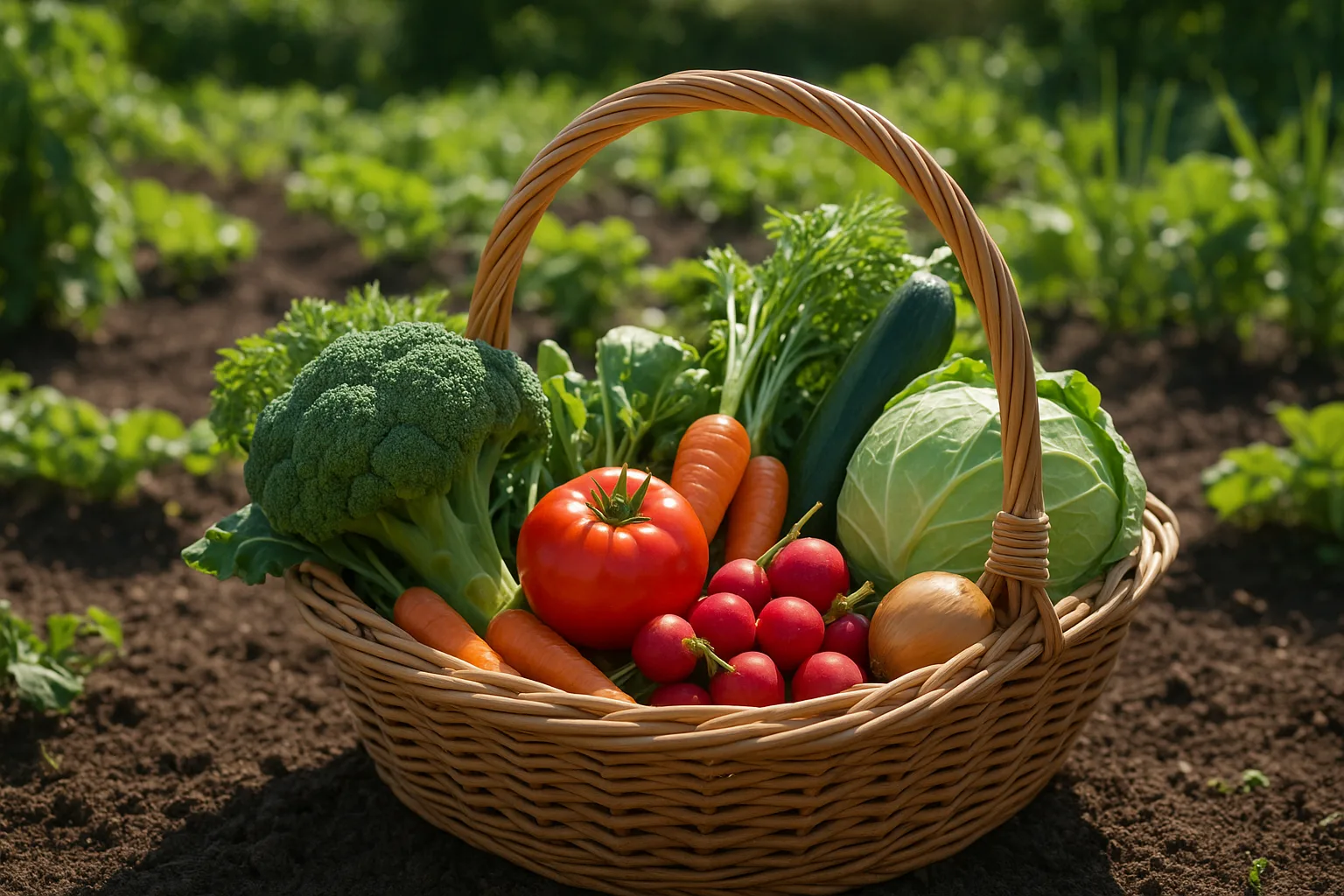
As spring warms the soil and your crops begin to grow, the anticipation of the first harvest builds. That moment when you pick your first home-grown vegetable or herb is truly special—an exciting milestone that hooks many allotment holders for life. It’s a tangible reward for your care and patience, and it’s why allotment growing feels so addictive. If you’re new to allotments or just approaching your first harvest season, here’s why this experience matters now and how to make the most of it.
Why the First Harvest Feels So Good
- Connection to nature: You’ve nurtured plants from seed or seedling to maturity, deepening your bond with the natural world.
- Sense of achievement: Seeing tangible results is hugely satisfying and encourages you to keep going.
- Freshness and flavour: Few things beat the taste of freshly picked produce, often sweeter and more vibrant than shop-bought.
- Health and wellbeing: Eating your own crops inspires healthier meals and can boost mental wellbeing through the gardening process.
Key Tasks to Enjoy Your First Harvest
To get to that joyous moment, there are important steps and timely tasks you’ll want to follow during the growing season.
- Plan your early crops carefully: Choose fast-growing vegetables like radishes, salad leaves, spring onions, and peas. These can be sown from early spring and harvested within weeks.
- Prepare your soil: Before sowing, ensure your plot is well-tilled and enriched with organic matter such as compost or well-rotted manure. This will support strong, healthy plants.
- Sow and plant at the right time: Follow UK seasonal guides and seed packet instructions. For example, sow radishes and lettuce under cover from late February or early March, and transplant seedlings outdoors once the risk of frost has passed (usually late April to early May).
- Water and feed regularly: Keep young plants moist but not waterlogged. Use organic feeds like liquid seaweed or comfrey tea to encourage growth without chemicals.
- Protect from pests naturally: Use physical barriers like fleece or netting, encourage beneficial insects with companion plants, and handpick slugs and snails rather than resorting to chemicals.
- Harvest promptly and often: Many salad crops and herbs taste best when picked young and regularly. This also encourages the plants to produce more.
Seasonal Timing: When to Expect Your First Harvest
- March to April: Early crops started indoors or under cover such as radishes, baby spinach, and some salad leaves.
- April to May: Early peas, spring onions, and new potatoes harvested as they mature.
- Late May onwards: A wider variety of crops come into season, keeping your harvest basket full.
Tools and Materials to Support Your First Harvest
- A good pair of gardening gloves to protect your hands while harvesting.
- Sharp secateurs or garden scissors for clean cuts, especially for herbs and salad leaves.
- Hand fork or trowel for weeding and digging around crops without damaging roots.
- Watering can or hose with fine spray to gently water delicate young plants.
- Organic compost and mulch to maintain soil health and moisture.
- Lightweight fleece or netting to protect crops from frost and pests.
Common Mistakes to Avoid at First Harvest
- Harvesting too late: Waiting too long can mean overripe or tough produce. Check regularly and pick when crops are tender and young.
- Overcrowding plants: Sowing too thickly leads to poor air circulation and smaller crops. Thin seedlings early to give each plant space.
- Neglecting soil health: Avoid compacted or nutrient-poor soil by adding organic matter each season.
- Ignoring pests early on: Small infestations can quickly grow. Stay vigilant with eco-friendly controls.
- Forgetting to rotate crops: Planting the same crop in the same spot year after year invites disease and nutrient depletion.
Quick Checklist for Your First Harvest
- Have you chosen fast-growing, early crops suited to your climate?
- Is your soil well-prepared and fed with organic matter?
- Are you watering and feeding plants regularly but sensibly?
- Are you protecting young crops with fleece or netting where needed?
- Have you got clean, sharp tools ready for harvesting?
- Are you inspecting plants frequently for pests or disease?
- Are you harvesting regularly to encourage more growth?
Next Steps for This Month and Season
As you approach your first harvest, continue to nurture your plot with these simple actions:
- Keep sowing succession crops: Sow small amounts of salad leaves, radishes, and herbs every 2–3 weeks to enjoy a steady supply.
- Start planning summer crops: Begin sowing tomatoes, courgettes, and beans indoors or under cover for planting out later.
- Maintain soil fertility: Add mulch and organic feedings to keep plants healthy.
- Join your allotment community: Share your first harvest stories, swap tips, and maybe some seedlings to build friendships and knowledge.
Enjoy the thrill of picking your first home-grown food. It’s a milestone that brings joy and motivation to keep your allotment thriving all year round. Happy harvesting!
Previous: Budget Allotment Setup: Building Raised Beds for Less than £50
Next: How to Involve Kids in Your Allotment (Without Chaos!)