
Series: The UK Allotment Year
Phase 1: The Allotment Year — Month by Month — Part 10 of 50
This phase walks through the UK allotment year month by month — from planning in January to reflecting in December. Perfect for beginners or seasoned growers who want a month-by-month checklist for thriving plots.
October Allotment Jobs: Composting and Cover Crops for Winter
October is a pivotal month on the UK allotment calendar. The growing season winds down and the chill in the air reminds us that winter is just around the corner. This is the perfect time to focus on soil health by managing your compost and sowing cover crops. These tasks help lock in nutrients, suppress weeds, and build soil structure ready for next spring’s planting. Let’s explore how to make the most of this crucial phase.
Why Composting Matters Now
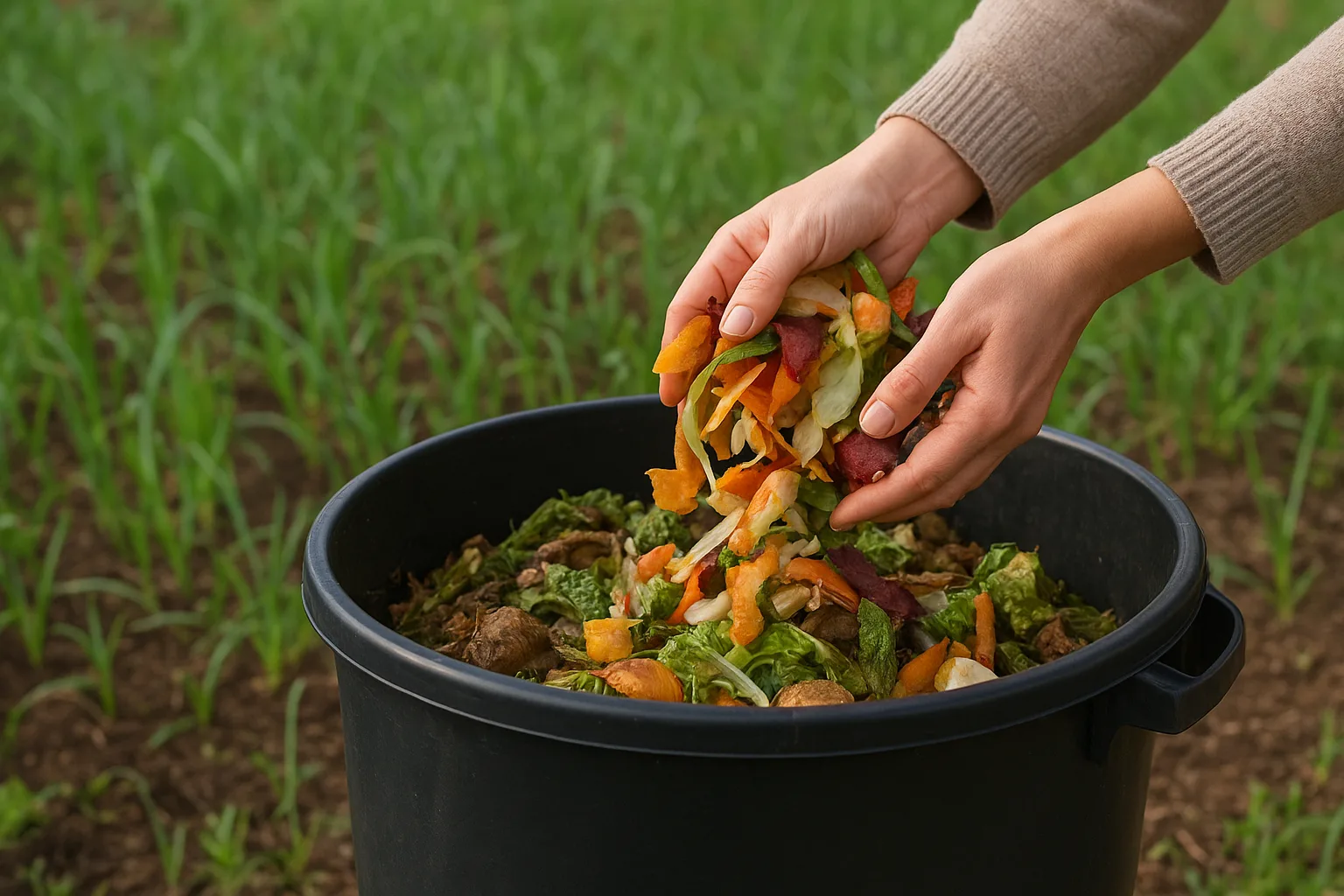
With many crops harvested by October, there’s plenty of green waste available to feed your compost heap or bin. Composting during autumn breaks down organic matter, producing rich humus that improves soil fertility and moisture retention. It’s also a great way to recycle plant residues and reduce waste sent to landfill.
Key Composting Tasks for October
- Clear your compost bin or heap: Remove any finished compost from the base. Use it immediately on your beds or store it in covered containers.
- Add autumn waste: Include fallen leaves, spent plants, vegetable peelings, and grass clippings. Avoid diseased plants and perennial weeds.
- Balance green and brown materials: Aim for roughly a 2:1 ratio of brown (dry leaves, straw) to green (vegetable scraps, grass). This balance speeds decomposition.
- Turn your compost: Aerate the heap with a garden fork every 2–3 weeks to encourage microbial activity and prevent odours.
- Keep it moist: Ensure the compost stays damp but not waterlogged. Use a watering can if needed during dry spells.
- Consider a compost thermometer: If you have one, check the temperature to monitor decomposition progress (ideal range is 40–60°C).
Cover Crops: Your Soil’s Winter Blanket
Cover crops, also known as green manures, are plants grown specifically to protect and enrich the soil during the off-season. Sown in October, they prevent soil erosion, improve structure, and add vital nutrients, especially nitrogen, back into the soil.
Choosing the Right Cover Crops
- Legumes (e.g., crimson clover, field beans): Fix nitrogen from the air, enriching the soil naturally.
- Grasses (e.g., ryegrass, oats): Provide good soil cover and organic matter when dug in.
- Mustards and oilseed radishes: Break up compacted soil and suppress weeds.
Mixing species can combine benefits, but keep it simple if you’re new to cover cropping.
How to Sow Cover Crops in October
- Prepare the soil: Clear the bed of crop residues and weeds. Lightly fork or rake to create a fine tilth.
- Sow seeds evenly: Broadcast the seeds by hand or use a seed spreader, following recommended rates on seed packets.
- Rake gently: Cover the seeds with a thin layer of soil to protect them from birds and frost.
- Water if dry: Give the bed a light watering to help seeds germinate.
Maintaining Cover Crops Over Winter
Once established, cover crops usually require little attention. However, watch out for:
- Excessive growth: If mild weather encourages too much growth, mow or cut down the cover crop before it sets seed.
- Signs of disease or pests: Remove affected plants promptly to protect soil health.
In early spring, cut down or dig in your cover crops 2–3 weeks before planting new vegetables. This gives them time to decompose and release nutrients.
Tools and Materials for October Jobs
- Garden fork or spade for turning compost and preparing soil
- Rake for seedbed preparation and covering seeds
- Watering can or hose with gentle spray
- Compost bin or heap with a lid or cover
- Quality cover crop seeds suited to UK climate
- Garden gloves to protect hands
- Optional: Compost thermometer to monitor heap temperature
Quick Checklist for October Allotment Jobs
- Clear finished compost and use or store it
- Add autumn green and brown waste to compost heap
- Turn and moisten compost every few weeks
- Prepare soil for cover crops by clearing and raking
- Sow selected cover crops evenly and rake in
- Water cover crop seeds if dry
- Check cover crops occasionally over winter
Common Mistakes to Avoid
- Overloading compost with too much green waste: This can cause unpleasant smells and slow decomposition.
- Neglecting to turn compost: Without aeration, the heap may become anaerobic and fail to break down properly.
- Sowing cover crops too late: This risks poor germination before frost sets in.
- Using diseased plants in compost: Can spread pathogens and harm future crops.
- Failing to remove cover crops before spring planting: This can interfere with seedling growth and nutrient availability.
Next Steps for October and Beyond
Having laid the groundwork with composting and cover crops, you’ll be setting your allotment up for success next year. Keep an eye on your compost heap through winter, adding any new waste as it comes. Plan your spring crop rotations around the benefits your cover crops will bring. And as November approaches, focus on final harvests, clearing spent crops, and perhaps starting some early indoor sowings.
Embracing these seasonal tasks now means healthier soil, fewer weeds, and a more productive allotment come spring. Happy digging and sowing!
Previous: September Harvests: Root Crops, Onions, and Winter Prep
Next: November in the Allotment: Garlic, Broad Beans, and Tidying Up