
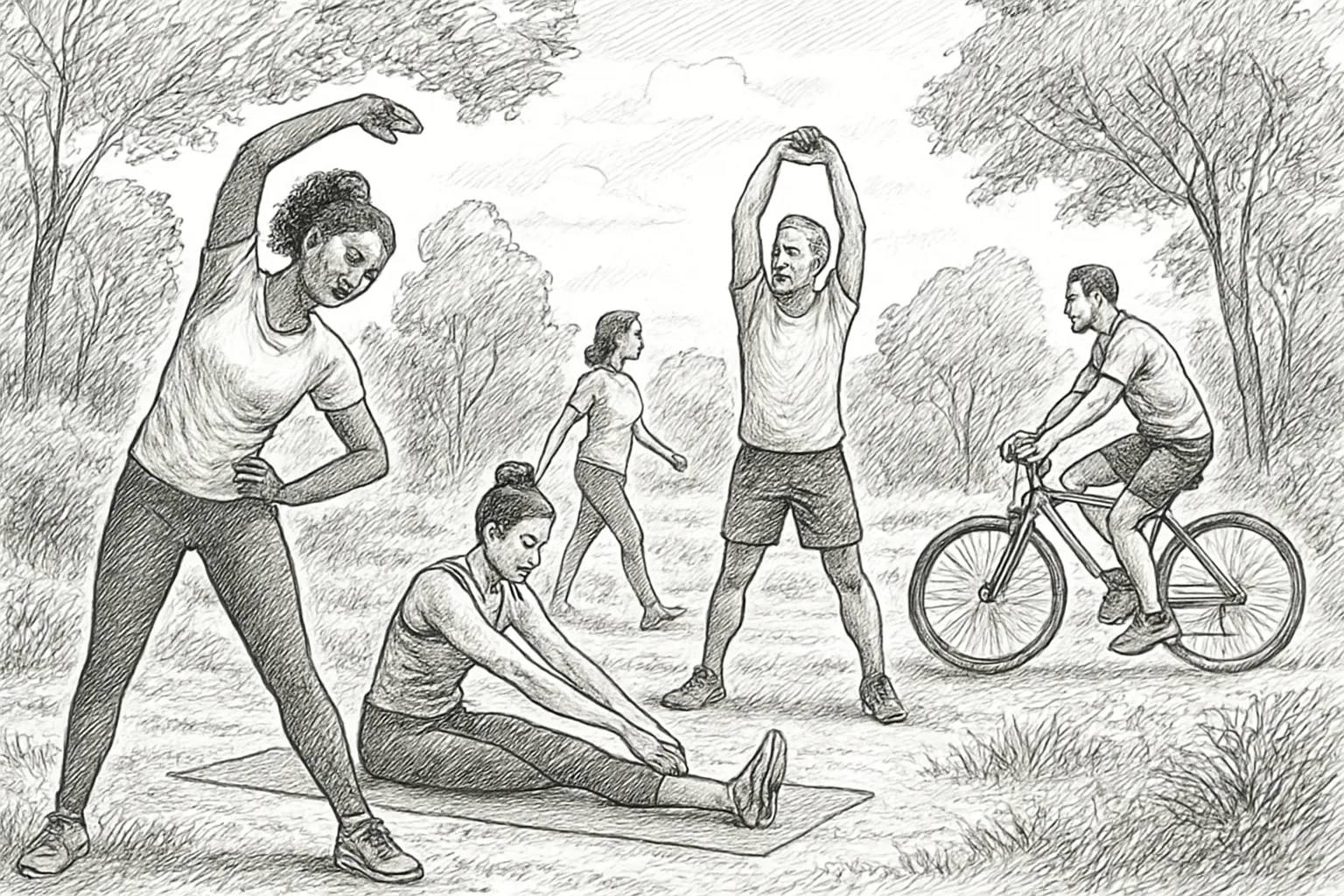
How to Support Long-Term Health Through Movement
Movement is one of the most powerful tools we have to support our health over the long term. Whether it’s walking, stretching, dancing, or strength training, staying active helps keep our bodies and minds strong, flexible, and resilient. But with so much advice out there, it can be hard to know what truly works and how to create habits that last. In this article, we’ll explore practical, evidence-based ways to support your long-term health through movement, focusing on habits that are sustainable and enjoyable.
Why Movement Matters for Long-Term Health
Regular movement benefits nearly every part of our body. It helps maintain a healthy weight, improves cardiovascular fitness, supports joint health, boosts mood, and even sharpens cognitive function. Importantly, movement also reduces the risk of chronic diseases such as type 2 diabetes, heart disease, and some cancers.
But it’s not just about intense workouts or hitting the gym. What matters most is consistency and finding ways to move that fit your lifestyle and preferences. Here’s how you can start building habits that support your health for years to come.
Step-by-Step Tips to Build Sustainable Movement Habits
- Start Small and Build Gradually It’s easy to feel overwhelmed if you try to make big changes overnight. Instead, begin with manageable steps, like a 10-minute daily walk or gentle stretches each morning. Gradually increase duration and intensity as you feel comfortable.
- Mix Different Types of Movement Incorporate a variety of activities to keep things interesting and support different aspects of health. Aim for a balance of:
- Cardiovascular activities like walking, cycling, or swimming to boost heart health.
- Strength exercises such as bodyweight movements or light resistance to maintain muscle mass and bone strength.
- Flexibility and balance exercises, including yoga or tai chi, to improve mobility and reduce fall risk.
- Make Movement a Part of Your Daily Routine Find natural opportunities to move during your day. For example, take stairs instead of lifts, walk or cycle for short errands, or do gentle stretches during TV breaks.
- Set Realistic Goals and Track Progress Setting achievable goals helps maintain motivation. Use a journal, app, or simple calendar check-ins to track your progress and celebrate milestones.
- Listen to Your Body Movement should feel good, not painful. Pay attention to your body’s signals and adjust activities as needed. Rest days are important to allow recovery and prevent injury.
- Find Enjoyable Activities Choose movements you enjoy, whether that’s dancing, gardening, hiking, or playing a sport. Enjoyment increases the likelihood you’ll stick with it long term.
Common Myths About Movement and Long-Term Health
There are many myths that can discourage people from moving regularly. Let’s clear up a few:
- Myth 1: You need to exercise intensely every day. Reality: Moderate, consistent movement is more sustainable and beneficial than sporadic intense workouts.
- Myth 2: Older adults shouldn’t do strength training. Reality: Strength training is safe and recommended at any age to maintain muscle and bone health.
- Myth 3: If you’re busy, you don’t have time to move. Reality: Short bouts of movement throughout the day add up and can fit into even the busiest schedules.
Practical Ways to Stay Active Every Day
- Walk whenever possible: Park further away, take a stroll during lunch, or walk your dog.
- Use technology: Apps or wearable devices can remind you to move and help track activity.
- Set movement reminders: Stand up and stretch or walk for a few minutes every hour.
- Incorporate movement into social time: Walk with friends instead of sitting for coffee.
- Try active hobbies: Gardening, dancing, or playing with grandchildren are great ways to stay moving.
Supporting Movement with Other Healthy Habits
Movement works best when combined with other healthy lifestyle habits such as good sleep, balanced nutrition, and stress management. These all support energy levels and recovery, making it easier to stay active consistently.
Conclusion
Supporting your long-term health through movement doesn’t require drastic changes or intense workouts. By starting small, mixing different types of activity, and making movement enjoyable and part of your daily routine, you can build sustainable habits that benefit your body and mind for years to come. Remember, consistency and listening to your body are key. Find what works for you and celebrate every step forward.
This article provides general educational information only and is not a substitute for professional medical advice. Always consult a qualified healthcare professional for personal guidance.