
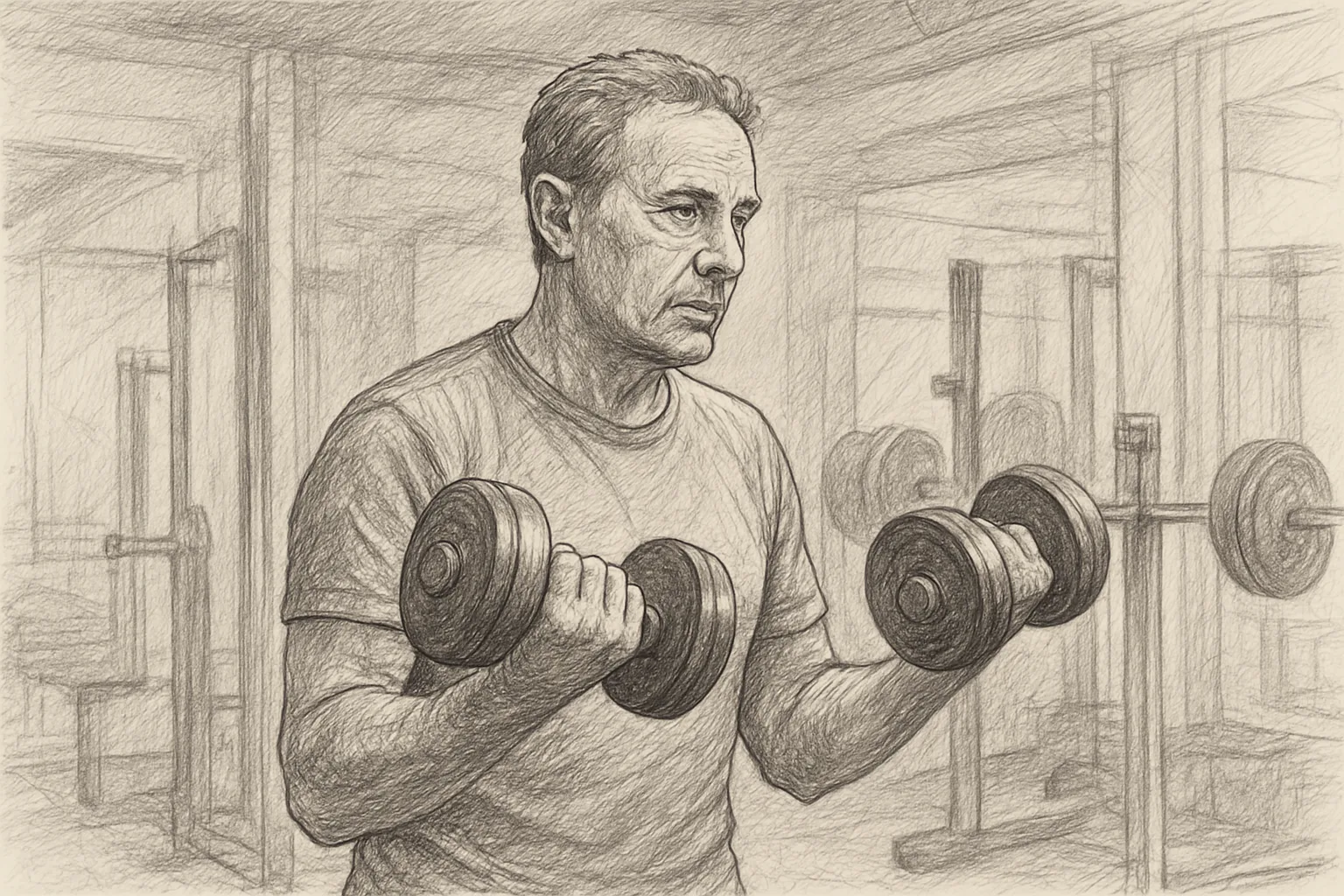
Strength Training for People Over 40: A Practical Guide to Staying Strong and Healthy
Turning 40 is a wonderful milestone, but it can also bring changes in your body that might make staying fit feel a bit more challenging. One of the best ways to support your health as you age is through strength training. Not only does it help you maintain muscle mass, but it can also boost your metabolism, improve bone density, and enhance your overall wellbeing.
If you’re new to strength training or returning after a break, this guide offers practical, evidence-based tips to help you get started safely and sustainably. Let’s explore how to make strength training a positive part of your life after 40.
Why Strength Training Matters After 40
After the age of 30, adults naturally begin to lose muscle mass at a rate of about 3-5% per decade, a process known as sarcopenia. This loss can accelerate after 40 if not addressed, leading to decreased strength, balance, and mobility.
Strength training helps counteract these changes by stimulating muscle growth and maintaining or improving muscle function. Benefits include:
- Increased muscle mass and strength: Helps with everyday activities and reduces injury risk.
- Improved bone health: Weight-bearing exercises can slow bone loss and reduce osteoporosis risk.
- Boosted metabolism: Muscle tissue burns more calories than fat, aiding weight management.
- Better balance and coordination: Reduces the risk of falls and improves mobility.
- Enhanced mental health: Exercise releases endorphins that improve mood and reduce stress.
Getting Started: Step-by-Step Tips for Strength Training Over 40
1. Consult Your Healthcare Provider
Before starting any new exercise routine, it’s wise to check with a healthcare professional, especially if you have existing health conditions or concerns.
2. Choose the Right Type of Strength Training
Strength training doesn’t mean you have to lift heavy weights at the gym. There are several accessible options:
- Bodyweight exercises: Push-ups, squats, lunges, and planks that use your body as resistance.
- Resistance bands: Affordable and portable, they provide variable resistance for many muscle groups.
- Free weights and machines: Dumbbells, kettlebells, or gym machines allow for progressive overload.
- Functional training: Exercises that mimic daily movements, improving strength and coordination.
3. Start Slow and Focus on Form
Begin with lighter resistance and fewer repetitions to master proper technique. Good form is key to preventing injury and maximizing benefits.
4. Aim for Two to Three Sessions per Week
Consistency is more important than intensity. Two to three well-structured sessions weekly give muscles time to recover and grow.
5. Include All Major Muscle Groups
Balance your workout by targeting the legs, back, chest, shoulders, arms, and core. This balanced approach supports functional strength.
6. Warm Up and Cool Down
Prepare your body with 5-10 minutes of light cardio and dynamic stretching before training. After your session, cool down with gentle stretches to enhance flexibility and aid recovery.
7. Listen to Your Body
Some muscle soreness is normal when starting out, but sharp pain is a warning sign. Rest, adjust your routine, or seek guidance if discomfort persists.
Common Myths About Strength Training After 40
Myth 1: Strength training will make me bulky.
Building large muscles requires specific training and nutrition. Most people, especially women, will develop a toned, lean look rather than bulky muscles.
Myth 2: It’s too late to start strength training after 40.
It’s never too late! Research shows that people of all ages can gain significant strength and health benefits from strength training.
Myth 3: Cardio is enough as I get older.
While cardio supports heart health, strength training addresses muscle and bone health, which cardio alone cannot maintain effectively.
Myth 4: I need expensive equipment or a gym membership.
Many effective strength exercises require little or no equipment and can be done at home.
Practical Tips to Make Strength Training a Habit
- Set realistic goals: Focus on progress, not perfection. Celebrate small improvements.
- Schedule workouts: Treat sessions like appointments to stay consistent.
- Find a workout buddy: Sharing the experience can increase motivation and enjoyment.
- Mix it up: Variety prevents boredom and works different muscles.
- Track your progress: Keep a simple log of exercises, sets, and reps.
- Prioritise recovery: Get enough sleep, stay hydrated, and eat a balanced diet to support your training.
Conclusion
Strength training is a powerful tool to maintain and improve your health after 40. By adopting a consistent, balanced, and enjoyable approach, you can enhance your muscle strength, bone health, and overall quality of life. Remember to start slowly, prioritise good technique, and listen to your body. Whether you prefer bodyweight exercises at home or gym sessions, the key is making strength training a sustainable habit that fits your lifestyle. Your body will thank you for years to come.
This article provides general educational information only and is not a substitute for professional medical advice. Always consult a qualified healthcare professional for personal guidance.