
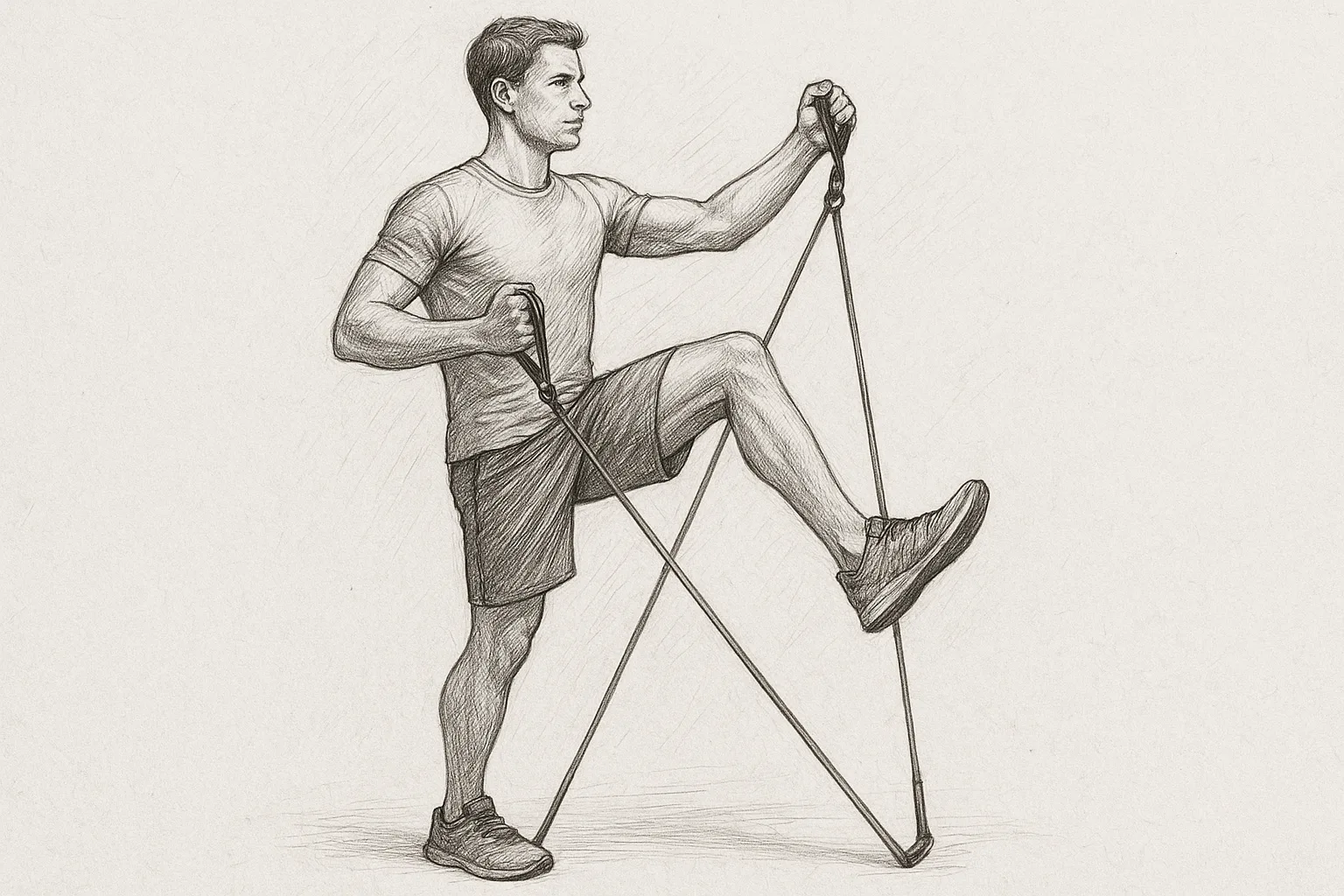
Simple Resistance Band Workouts for Beginners
Starting a new workout routine can feel overwhelming, but resistance bands offer a gentle and effective way to build strength and improve fitness without needing a gym. If you’re new to resistance bands, this guide will introduce you to simple exercises, practical tips, and common myths to help you begin confidently and develop sustainable habits.
Why Choose Resistance Bands?
Resistance bands are stretchy bands made from latex or synthetic materials that provide resistance when stretched. They are popular for several reasons:
- Affordable and Portable: Bands are inexpensive and easy to carry, so you can exercise anywhere.
- Adaptable: You can adjust the resistance by choosing different band thickness or changing the stretch length.
- Low Impact: Bands offer resistance without heavy weights, reducing joint stress.
- Versatile: They can be used to work almost every muscle group.
Getting Started: What You Need
To begin, you’ll want a set of resistance bands with varying levels of resistance, typically colour-coded from light to heavy. For beginners, start with light or medium resistance bands and focus on learning the movements with good form.
Wear comfortable clothing and find a clear space where you can move freely. A yoga mat or carpeted area can make exercises more comfortable.
Basic Resistance Band Exercises for Beginners
Here are five simple exercises targeting major muscle groups. Perform 2 sets of 10–15 repetitions of each, resting 30–60 seconds between sets. As you get stronger, you can increase sets or repetitions.
- Banded Squats
- Step on the band with feet shoulder-width apart, holding handles or ends at shoulder height.
- Lower into a squat by bending your knees and pushing your hips back, keeping your chest lifted.
- Push through your heels to stand back up, feeling resistance from the band.
- Seated Row
- Sit on the floor with legs extended, loop the band around your feet, and hold the ends with both hands.
- Pull the band towards your waist, squeezing your shoulder blades together.
- Slowly release to the starting position.
- Banded Chest Press
- Anchor the band behind you (e.g., around a sturdy post), hold the handles, and step forward to create tension.
- Press your hands forward until your arms are extended, then slowly return.
- Standing Bicep Curl
- Stand on the band and hold the handles with palms facing up.
- Keeping elbows close to your sides, curl your hands towards your shoulders.
- Lower slowly back down.
- Overhead Tricep Extension
- Hold one end of the band behind your back and grasp the other end overhead with the opposite hand.
- Extend your top arm upwards, stretching the band.
- Lower with control and repeat, then switch sides.
Step-by-Step Tips for Success
- Warm Up: Spend 5–10 minutes doing light cardio such as walking or marching on the spot to prepare your muscles.
- Focus on Form: Move slowly and deliberately. Quality beats quantity when it comes to resistance training.
- Breathe Properly: Exhale during effort (e.g., pushing or pulling) and inhale as you return to the starting position.
- Progress Gradually: Start with lighter resistance and increase only when exercises feel easy.
- Stay Consistent: Aim for 2–3 sessions a week to develop strength and confidence.
- Listen to Your Body: Mild muscle soreness is normal, but sharp pain or discomfort means stop and reassess.
Common Myths About Resistance Bands
- Myth: Resistance bands are only for rehabilitation or seniors. Reality: Resistance bands offer strength training for all ages and fitness levels. They can be as challenging as weights.
- Myth: Bands don’t build real muscle. Reality: Bands provide variable resistance that activates muscles differently but effectively. Many athletes use bands for strength and conditioning.
- Myth: You need expensive equipment to get fit. Reality: Resistance bands are affordable and versatile, making them ideal for home workouts without costly gym memberships.
Maintaining Motivation and Building Habits
Starting any new exercise routine comes with challenges. Here are some ways to keep motivated with resistance band workouts:
- Set Realistic Goals: Focus on small, achievable milestones like completing workouts twice a week.
- Track Progress: Note improvements in strength or ease of exercises over time.
- Mix It Up: Try different exercises or combine bands with bodyweight moves to keep sessions interesting.
- Buddy Up: Exercising with a friend can boost motivation and accountability.
- Celebrate Success: Recognise your efforts and reward yourself for sticking to your plan.
Conclusion
Resistance bands offer a simple, effective way to build strength and improve fitness for beginners. By starting with basic exercises, focusing on form, and gradually increasing intensity, you can create a sustainable workout habit that fits your lifestyle. Remember, consistency and patience are key—progress takes time, but the benefits to your health and wellbeing are worth it. Enjoy discovering the versatility and convenience of resistance bands as you work towards your fitness goals.
This article provides general educational information only and is not a substitute for professional medical advice. Always consult a qualified healthcare professional for personal guidance.