
Simple Habit-Building Strategies for Exercise
Starting and maintaining an exercise routine can feel overwhelming, especially with busy schedules and competing priorities. However, building sustainable exercise habits doesn’t have to be complicated. By breaking down your goals into manageable steps and adopting practical strategies, you can create a fitness routine that fits seamlessly into your lifestyle. This article explores simple, evidence-based habit-building techniques to help you exercise consistently and enjoy the benefits of improved health and wellbeing.
Why Building Exercise Habits Matters
Exercise is more than just a way to stay fit; it supports mental health, boosts energy, and helps prevent various health conditions. But the key to reaping these benefits is consistency. Habit-building transforms exercise from a chore into a natural part of your day, making it easier to stick with over time. Focusing on habits rather than motivation alone leads to more sustainable results.
Step-by-Step Tips for Building Exercise Habits
- Start Small and Be Realistic Begin with brief sessions, such as 5 to 10 minutes of activity, and gradually increase as you feel comfortable. Setting achievable goals helps prevent burnout and builds confidence.
- Schedule Your Workouts Treat exercise like any important appointment. Choose specific days and times that suit your routine, whether it’s morning walks, lunchtime stretches, or evening yoga.
- Choose Enjoyable Activities Exercise doesn’t have to mean the gym or running. Dancing, gardening, cycling, or even playing with pets count. When you enjoy what you do, you’re more likely to keep doing it.
- Use Triggers to Create Routine Link your exercise habit to an existing daily routine, such as brushing your teeth or having a morning coffee. This cue helps remind you to get moving.
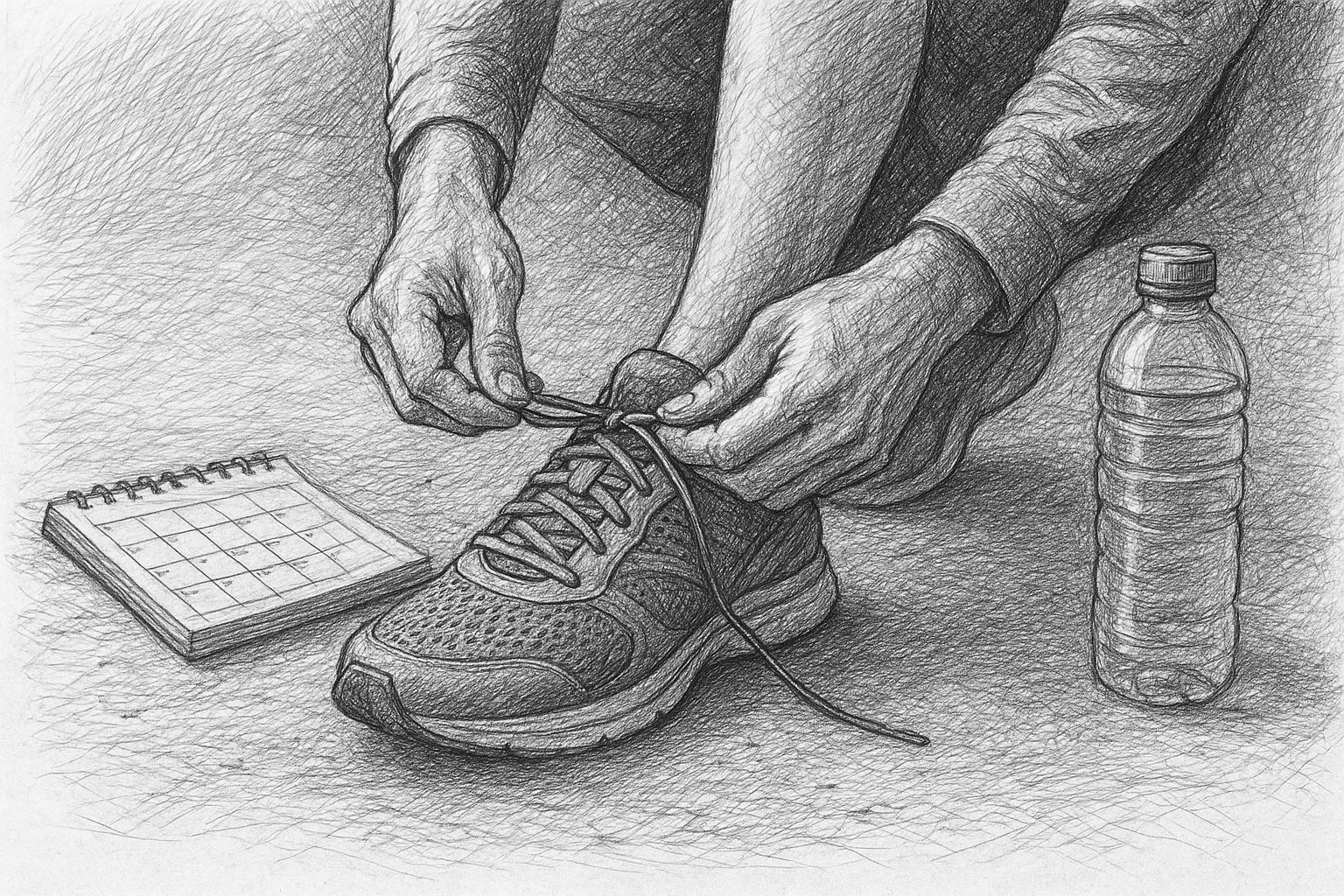
- Track Your Progress Keeping a simple log of your activity can motivate you and show your improvements over time. This might be a journal, an app, or a calendar checkmark.
- Prepare Your Environment Lay out your workout clothes the night before or keep your exercise equipment handy. Reducing barriers makes it easier to start.
- Find Social Support Exercising with a friend or joining a class provides accountability and makes the experience more enjoyable.
- Be Patient and Flexible Habits take time to form—usually several weeks. If you miss a day, don’t get discouraged. Adjust your plan as needed and keep going.
Common Myths About Exercise Habits
- Myth: You Need to Exercise for Hours Every Day Reality: Even short bouts of activity, such as 10 to 15 minutes, can be beneficial. The focus should be on consistency rather than duration.
- Myth: Motivation Is the Key to Habit Formation Reality: Motivation fluctuates, but habits rely on repetition and routine. Building small, consistent actions is more effective than waiting for motivation.
- Myth: You Have to Do High-Intensity Workouts to See Results Reality: Moderate activity like walking, stretching, or light cycling improves health and wellbeing. The best exercise is one you can do regularly.
- Myth: If You Miss One Day, You’ve Failed Reality: Occasional breaks are normal and don’t undo your progress. What matters is getting back on track.
Practical Examples of Habit-Building in Action
Here are a couple of scenarios demonstrating how simple changes can build lasting exercise habits:
- Morning Walk Ritual: Sarah decides to walk for 10 minutes after brushing her teeth each morning. She places her walking shoes next to the bathroom and sets a reminder on her phone. After two weeks, this routine feels natural and she gradually increases to 20 minutes.
- Lunchtime Stretch Break: Tom works from home and sets a rule to stretch or do light yoga for 5 minutes every lunchtime. By linking it to his lunch break, he builds a calming habit that reduces stress and improves focus.
Conclusion
Building exercise habits doesn’t have to be daunting. By starting small, making activities enjoyable, and using simple strategies like scheduling and environmental cues, you can create a sustainable fitness routine that fits your life. Remember, consistency beats intensity, and flexibility helps you stay on track. Celebrate small wins along the way and be kind to yourself during setbacks. With patience and persistence, exercise can become a natural, rewarding part of your daily wellbeing.
This article provides general educational information only and is not a substitute for professional medical advice. Always consult a qualified healthcare professional for personal guidance.