
Series: Marathon Preparation Guide
Phase 5: Marathon Nutrition & Hydration — Part 15 of 24
Introduction
Fueling during a marathon is one of the most important yet often overlooked aspects of race day. Whether you’re a first-timer or a seasoned runner, understanding how to properly use gels, chews, and real food can help you maintain energy, prevent bonking, and finish strong. This guide breaks down the essentials of marathon fueling with practical, evidence-based advice to make your race experience smoother and more enjoyable.
Why Fueling Matters During a Marathon
Your body primarily uses carbohydrates for energy during long runs. Glycogen stores in your muscles and liver are limited and can be depleted around 60-90 minutes into intense endurance activity. Without replenishing these carbs, you risk hitting the “wall” or bonking, where energy levels plummet and fatigue sets in.
Proper fueling extends your endurance, improves performance, and supports recovery. It’s not just about eating something; it’s about timing, quantity, and choosing the right type of fuel for your body.
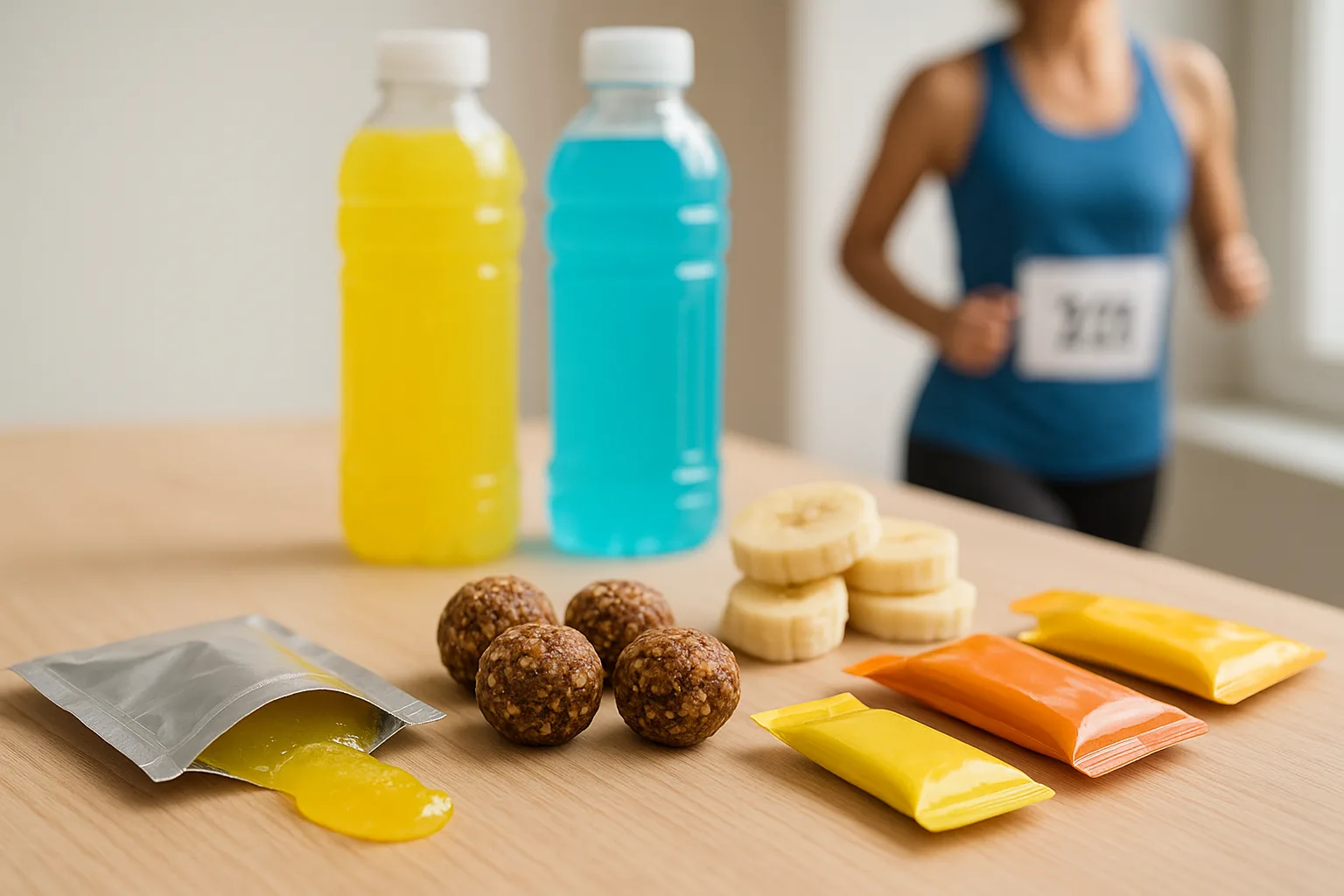
Types of Marathon Fuels: Gels, Chews & Real Food
1. Energy Gels
Energy gels are popular for their convenience and fast absorption. They typically contain 20-30 grams of easily digestible carbohydrates, electrolytes, and sometimes caffeine.
- Pros: Portable, quick to consume, easy on the stomach.
- Cons: Some runners find them too sweet or experience stomach discomfort if not taken with enough water.
Tip: Practice with gels during your long training runs to discover which brands and flavors work best for you.
2. Energy Chews
Chews offer a slightly different texture and experience. They often contain similar carbohydrate content as gels but come in small, gummy-like pieces.
- Pros: Easier to share, good if you dislike the texture of gels.
- Cons: Can be sticky, and some runners find them harder to chew while running.
Tip: Like gels, try chews in training to ensure they don’t cause digestive issues.
3. Real Food
Some runners prefer real food options such as bananas, dates, pretzels, or energy bars during marathons. Real food provides not only carbohydrates but also a variety of nutrients and fiber.
- Pros: Natural, more satisfying for some, and can reduce reliance on processed products.
- Cons: May be harder to digest quickly, heavier to carry, and some options can cause gastrointestinal distress.
Tip: Choose easily digestible and familiar foods during training to avoid surprises on race day.
How Much and When to Fuel During Your Marathon
General guidelines recommend consuming 30-60 grams of carbohydrates per hour for marathons lasting over 90 minutes. Some elite athletes consume up to 90 grams per hour by combining different types of carbohydrates, but this requires training your gut to handle higher intake.
Step-by-Step Fueling Plan
- Start early: Don’t wait until you feel hungry or fatigued. Begin fueling 30-45 minutes into the race.
- Consistent intake: Eat or drink carbohydrate sources every 30-45 minutes to maintain blood sugar and energy.
- Hydrate with fuel: Always consume gels or chews with water to aid digestion and absorption.
- Adjust based on your body: Some runners tolerate more or less carbohydrate and may need to alter timing slightly.
- Practice in training: Test your fueling strategy during long runs to find the right balance and avoid stomach issues.
Practical Tips for Sustainable Marathon Fueling
- Don’t try anything new on race day. Use your training runs to experiment with different brands, flavors, and timing.
- Stay hydrated. Dehydration can worsen gastrointestinal discomfort and reduce your ability to absorb carbohydrates.
- Listen to your body. If you feel nausea or cramps, slow down intake and try smaller amounts more frequently.
- Consider caffeine wisely. Some gels contain caffeine which can boost alertness, but avoid overconsumption.
- Use aid stations strategically. Know where aid stations are and what they offer in advance.
Common Mistakes to Avoid
- Skipping fueling: Relying solely on pre-race nutrition is insufficient for a full marathon.
- Overeating or under-eating: Too much fuel can cause stomach upset; too little leads to energy crashes.
- Ignoring hydration: Fuel without water can be hard to digest and cause GI distress.
- Switching products last minute: New gels or foods can cause unpredictable reactions.
Takeaway Summary
Effective marathon fueling is about consistent, balanced carbohydrate intake paired with hydration. Gels and chews offer convenient, quick energy, while real food can provide variety and nutrients if tolerated. Most importantly, practice your fueling strategy during training to find what works best for your body. Starting fueling early and maintaining it throughout the race helps prevent energy crashes and supports a strong finish.
Action Steps
- Plan your marathon fueling strategy before race day.
- Experiment with gels, chews, and real foods during your long runs.
- Practice taking fuel with water to improve digestion and absorption.
- Set reminders to eat every 30-45 minutes during your long runs.
- Stay hydrated and adjust your intake based on how you feel.
Conclusion
Fueling during a marathon doesn’t have to be complicated. With a little planning and practice, you can find the right combination of gels, chews, and real food to maintain your energy and enjoy the race. Remember, consistency is key—start fueling early, keep hydrating, and listen to your body. This sustainable approach not only boosts your performance but also helps make marathon running a more enjoyable and rewarding experience. Keep training smart, and your fueling strategy will carry you across that finish line with confidence.
Suggested affiliate finds
Disclosure: As an Amazon Associate, we earn from qualifying purchases — helping support our content at no extra cost to you.
Previous: Marathon Hydration Guide: Water, Electrolytes & Long Runs
Next: Mental Training for Marathon Runners: Build Confidence & Resilience