
Series: Learning Finance Basics
Phase 1: Foundations — Part 3 of 16
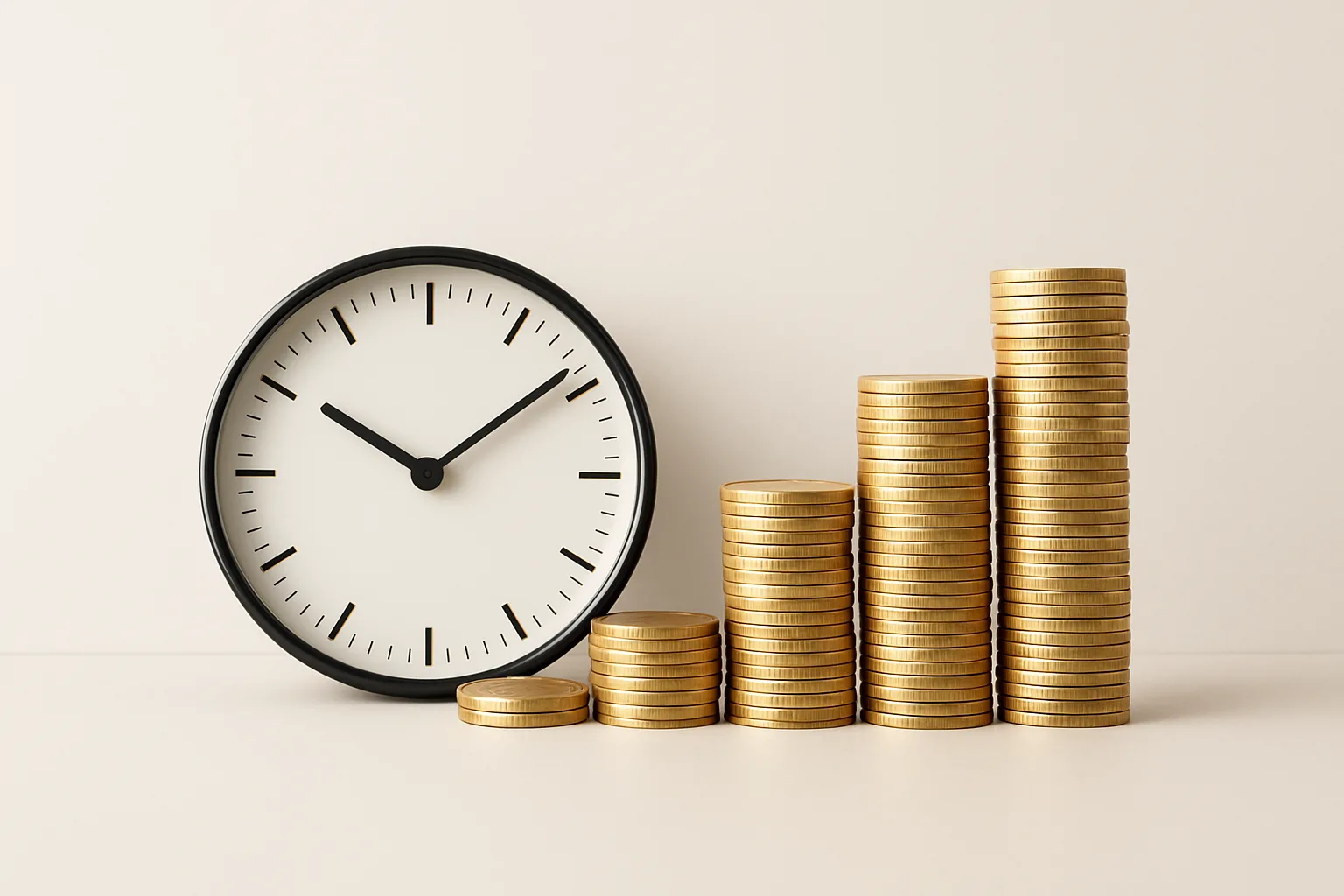
Have you ever wondered why people say, “a pound today is worth more than a pound tomorrow”? In our last article about Why Money Matters, we explored how understanding money can impact your daily life. Now, let’s dig into a concept that explains why timing matters when it comes to money: the time value of money. Don’t worry—no complicated maths required!
What You’ll Learn
- What the time value of money means in everyday life
- Why £1 today is worth more than £1 in the future
- Simple examples showing how this works
- Common mistakes people make about money and time
- Steps you can take to make smarter money decisions
Understanding the Time Value of Money
The time value of money is a core idea in personal finance. It’s based on a simple truth: money available now is more valuable than the same amount in the future.
Why? Because money today can be used, invested, or saved to earn more money over time. Plus, rising prices (inflation) mean that what you can buy with £1 today might cost £1.05 next year.
Example 1: The Gift Choice
Imagine your friend offers you a choice: £100 today or £100 in one year. Which would you pick?
- If you take £100 today and put it in a savings account earning 3% interest, you’ll have £103 next year.
- If you wait a year, you still only get £100—no extra money earned.
So, £100 today is worth more than £100 a year from now because you can use it to make more money.
Example 2: The Cost of Waiting
Let’s say you need to pay a £500 bill. You have two options:
- Pay it now and be done.
- Wait a year, but the bill will increase to £520 due to rising costs.
Paying now saves you £20. Waiting costs you more—another way time affects money’s value.
“Time is money.”
Benjamin Franklin
Why Does This Matter for You?
Understanding the time value of money can help you:
- Decide whether to spend or save now
- Plan for big purchases or goals
- Compare financial options fairly
It’s a key reason why people invest, save, or negotiate payment terms—because waiting can cost (or earn) you money.
Common Mistakes
- Ignoring inflation: Assuming £100 will always buy the same things in the future
- Delaying decisions: Waiting to save or invest, missing out on potential growth
- Not comparing options: Focusing only on today’s prices without thinking about future value
- Overlooking interest: Forgetting how even small interest rates add up over time
Action Steps
- ☐ Next time you get paid, ask: “What could this money be worth in a year if I save or invest it?”
- ☐ If you have a bill to pay, check if paying now saves money compared to paying later
- ☐ When making a big purchase, consider how prices might change over time
- ☐ Practice comparing “now vs. later” in everyday choices (like buying a coffee or saving for a holiday)
- ☐ Read the next article in this series to see how these ideas connect to interest rates
Recap
The time value of money means that money now is worth more than money later, because you can use it to earn more or avoid higher costs. Simple choices—like when to save, spend, or pay bills—are all affected by this idea. Keep this in mind as you move forward in your financial journey.
Educational Disclaimer
This article is for educational purposes only and is not personal financial advice. Please consider your own situation and seek professional advice if needed.
Glossary
- Inflation: The general rise in prices over time, making money worth less in terms of what it can buy.
- Interest: Money earned on savings or paid on borrowed money, usually shown as a percentage.
- Principal: The original amount of money saved, invested, or borrowed.
- Future Value: The amount your money will grow to after earning interest over time.
Previous: The Language of Money
Next: How Financial Systems Work (Big Picture)