
Series: Bilaspur Himachal History
Phase 1: Ancient & Early History — Part 1 of 29
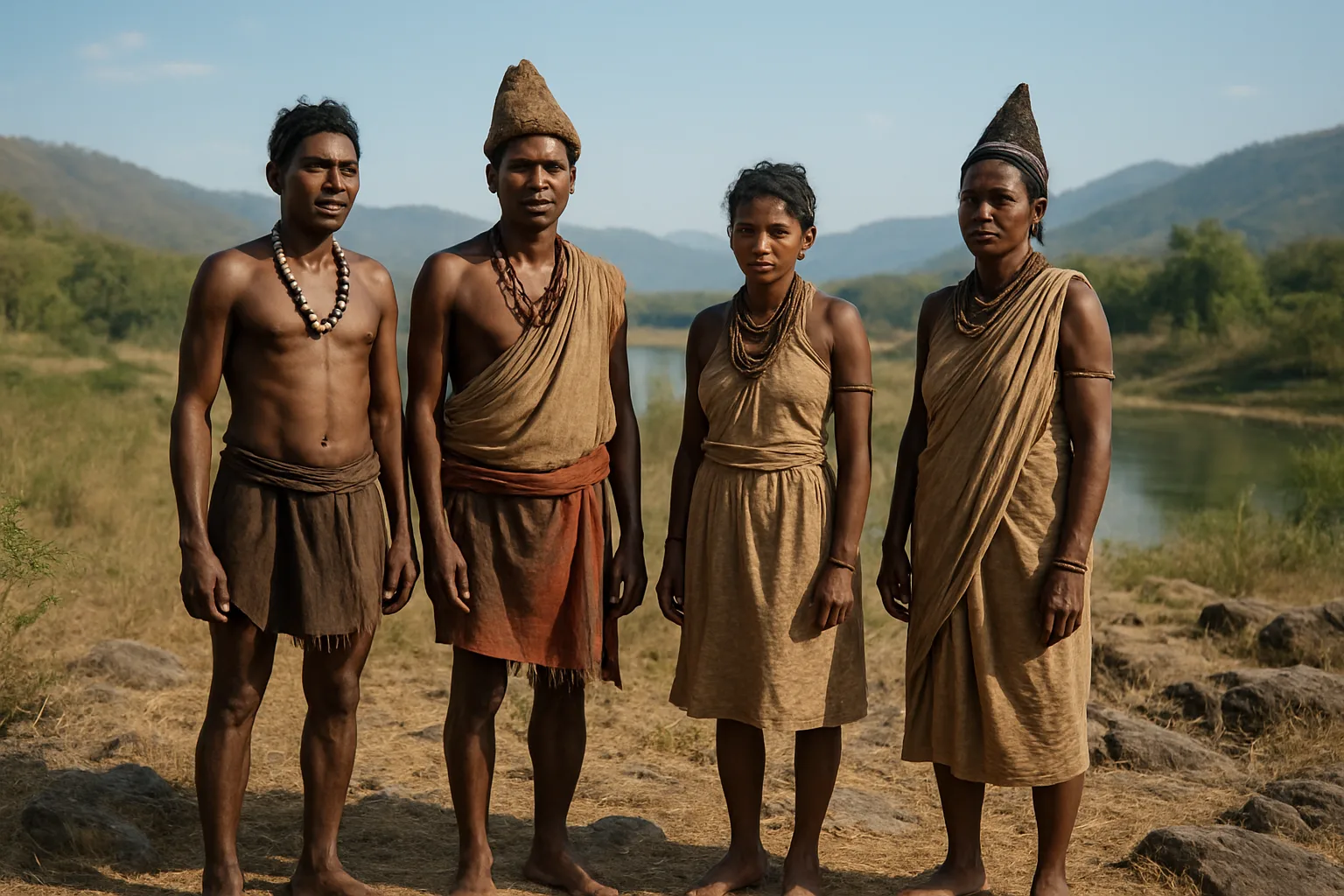
As the morning sun crests the rolling Shivalik hills, a mist rises from the Satluj River, veiling the land in a primordial hush. This is Bilaspur, a region whose ancient past is as layered as its terraced slopes. Before dynasties, before the ink of chroniclers, it was the tribes—restless, resilient, and resourceful—who carved the first lines of Bilaspur’s identity.
The Land Before Names
Imagine a time before city walls or temple spires—when the forests were thick, the rivers untamed, and human footprints just beginning to press into the clay of history. Archaeological finds in the region suggest continuous habitation since the prehistoric era. Stone tools, pottery shards, and burial mounds hint at cultures whose names we may never know, but whose presence shaped the landscape.
Early settlers navigated the riverbanks and foothills, drawn by the fertile valleys and abundant water. The Satluj, a lifeline even then, dictated the rhythm of daily life. Communities formed in scattered clusters: extended families, clans, and tribes whose traditions would lay the groundwork for everything to come.
Tribes of the Dawn: Kolis, Doms, and Gaddis
Among the first peoples recognized in oral traditions are the Kolis, Doms, and Gaddis. Each brought a distinct way of life, shaped by the demands of the terrain and the opportunities of the wild.
- Kolis: Renowned for their skill as fishermen and cultivators, the Kolis settled near rivers and lakes. Their knowledge of the waters made them invaluable in times of scarcity and abundance alike.
- Doms: Traditionally associated with craftsmanship and music, the Doms carried oral histories through song and story. Their artistry left marks not only in objects but in the very culture of early Bilaspur.
- Gaddis: These semi-nomadic herders navigated the highland pastures, moving flocks across treacherous passes. Their seasonal migrations connected distant valleys and spread ideas, goods, and genes far beyond Bilaspur’s borders.
These tribes often lived in delicate balance—sometimes trading, sometimes clashing. Theirs was a world of shifting alliances, with survival dependent on both cooperation and cunning.
Echoes of the Indus: Early Influences
By the second millennium BCE, the ripples of the Indus Valley Civilization reached the foothills of Himachal. While Bilaspur lay at the periphery, trade items such as beads and copper tools found in the region hint at contact. These exchanges brought new ideas in pottery, metallurgy, and farming. Villages grew more organized, and social structures more complex.
It is during this period that oral traditions begin to mention legendary chieftains—figures like Raja Bir Chand, whose deeds would later become the subject of local epics. Though the historical accuracy is debated, such stories reveal an emerging sense of place and collective memory.
Chieftains and the First Polities
As centuries passed, tribal leaders began to consolidate power. The fluid kinship groups of earlier times gave way to more entrenched chieftaincies. By the late Iron Age, Bilaspur’s valleys were dotted with fortified hill settlements. These were not kingdoms in the classical sense, but proto-states ruled by charismatic leaders whose authority rested on both ancestry and achievement.
One compelling figure from this era is Chandel Rajput founder Bir Chand. According to oral history, he rallied disparate clans and established a nascent polity around present-day Bilaspur, laying the foundation for what would become the princely state. Whether man or myth, Bir Chand symbolizes the transition from tribal egalitarianism to hereditary rule.
“The pulse of the land beats in the memory of its first people. Their whispers still haunt the stones and streams.”
Folk saying from Bilaspur region
Spiritual Landscapes: Beliefs and Rituals
Long before grand temples rose along the Satluj, sacred groves and stones marked places of worship. The ancient tribes of Bilaspur practiced animism, venerating spirits believed to inhabit rivers, trees, and mountains. Seasonal festivals revolved around harvests, hunting, and the cycles of the moon.
Tribal shamans—known locally as deota—acted as intermediaries between the human and spirit worlds. Their chants and offerings protected the community from disease and disaster. Over time, these beliefs melded with Vedic and later Hindu traditions, producing the syncretic spiritual landscape still visible today.
Paths of Trade and Migration
Bilateral paths crisscrossed the hills, linking Bilaspur’s tribes to neighboring regions. Salt from the Punjab plains, wool from the highlands, and grains from the valleys flowed through these routes. With goods came new customs, languages, and even bloodlines. Some migrants settled permanently, absorbed into the local fold; others moved on, leaving only traces in dialects and dress.
These exchanges were not always peaceful. Territory was precious, and competition fierce. Yet, the constant movement fostered resilience and adaptability—traits that would define Bilaspur’s people for centuries.
From Oral Memory to Written Record
It was not until the early medieval period that chroniclers began to set down Bilaspur’s story in script. But by then, much of the tribal tapestry had been woven into the fabric of the emerging kingdom. The Kolis, Doms, Gaddis, and myriad other groups became castes and communities, their myths retold as royal genealogies or village lore.
Yet, if you listen closely—at a riverside shrine, in the rhythm of a folk song, or the contours of a harvest dance—the voices of Bilaspur’s first people still echo. They remind us that identity is not built in a day or a dynasty, but in the long, patient shaping of a land by those who dared to call it home.
Today, Bilaspur’s cultural landscape remains deeply textured by this ancient inheritance. The customs, dialects, and festivals of its people bear the imprint of the tribes who first settled the hills. Their legacy is not just a chapter in a history book, but a living, breathing force—binding past to present, and reminding every generation that the roots of belonging run deeper than memory itself.
Next: When Bilaspur Entered Ancient India: Forgotten Stories of the Hills