
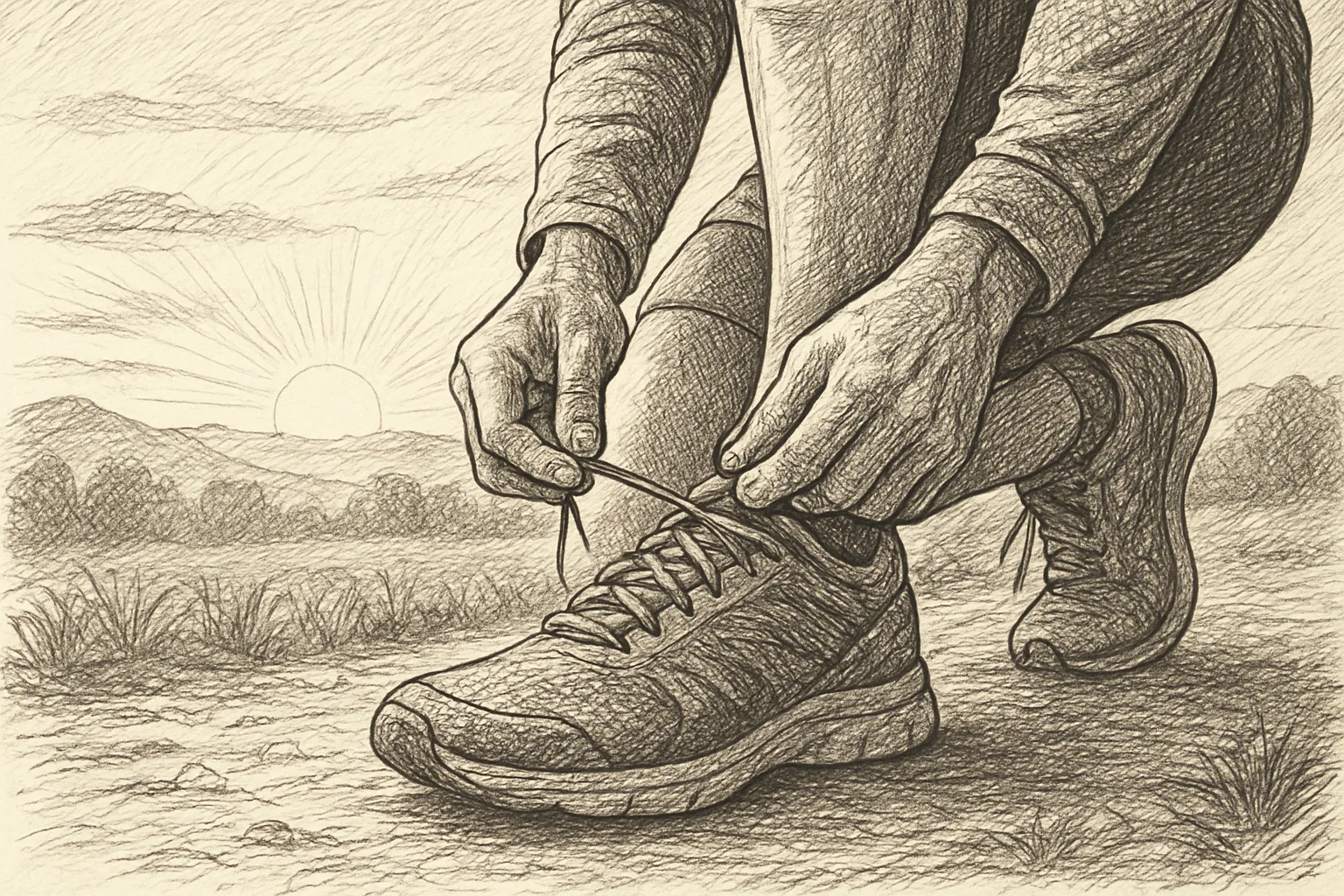
How to Restart Cardio After a Long Break: Practical Tips for a Strong Comeback
Taking a break from cardio exercise happens to many of us. Whether due to injury, busy schedules, or simply losing motivation, stepping away from cardio can leave you feeling unsure about how to begin again. The good news is that restarting cardio after a long break is entirely doable with a thoughtful, sustainable approach. This guide will walk you through practical steps, bust common myths, and share helpful tips to get you moving confidently and safely.
Why Restarting Cardio Matters
Cardiovascular exercise is vital for heart health, lung capacity, mood, and overall wellbeing. Restarting cardio helps improve endurance, boosts energy levels, and supports weight management. But jumping back into intense cardio right away can lead to frustration or injury. Instead, a gradual and consistent approach builds a strong foundation for long-term success.
Step-by-Step Guide to Restarting Cardio
- Assess Your Current Fitness Level Before you start, honestly evaluate your current fitness. Can you walk briskly for 10 minutes? Do you feel short of breath climbing stairs? This helps you set realistic goals.
- Set Clear, Achievable Goals Instead of aiming for long runs or intense sessions immediately, focus on small milestones like 15-minute walks or light cycling. Celebrate each achievement to keep motivation high.
- Start with Low-Impact Activities Walking, swimming, or cycling are gentle ways to ease back into cardio. These activities reduce joint strain and allow your body to adapt gradually.
- Use the Talk Test A simple way to gauge effort: you should be able to hold a conversation but feel your heart rate elevated. If you’re gasping for air, slow down.
- Increase Duration Before Intensity Focus on building time spent exercising rather than speed or intensity. For example, start with 15 minutes of walking three times a week, then slowly add 5-minute increments.
- Incorporate Rest and Recovery Allow your body time to recover between sessions. Rest days prevent burnout and reduce injury risk.
- Stay Consistent Consistency beats intensity. Even short, regular sessions are more effective than occasional intense workouts.
- Listen to Your Body Pay attention to aches or unusual pain. Mild muscle soreness is normal, but sharp pain signals the need to pause or adjust your routine.
- Mix Up Your Cardio Variety keeps things interesting. Try different activities like jogging, swimming, cycling, or dance classes to find what you enjoy most.
- Track Your Progress Use a journal, app, or simple notes to record your workouts, duration, and how you felt. Seeing progress motivates you to keep going.
Myths About Restarting Cardio
- Myth 1: You Have to Start at Your Previous Level It’s common to believe you must pick up exactly where you left off. In reality, your fitness might have changed. Starting slower prevents injury and builds confidence.
- Myth 2: More Intensity Equals Faster Results High-intensity workouts are great, but jumping in too hard can cause setbacks. Gradual progression is safer and more sustainable.
- Myth 3: You Need Fancy Equipment Cardio can be as simple as walking, stair climbing, or bodyweight exercises. Equipment is optional and not required to get benefits.
- Myth 4: If You Don’t See Immediate Results, It’s Not Working Fitness improvements take time. Focus on how you feel, improved stamina, and mood benefits rather than quick changes.
Additional Tips for Success
- Find a Support System Exercising with a friend or joining a group can boost motivation and accountability.
- Choose Enjoyable Activities You’re more likely to stick with cardio if you genuinely enjoy the activity.
- Wear Comfortable Footwear Proper shoes help prevent injuries and make exercise more pleasant.
- Stay Hydrated and Fuel Your Body Drinking water and eating balanced meals support your energy levels and recovery.
- Be Patient and Kind to Yourself Remember that progress is not always linear. Celebrate small wins and don’t be discouraged by setbacks.
Conclusion
Restarting cardio after a long break is a journey that requires patience, consistency, and self-compassion. By starting slowly, setting achievable goals, and listening to your body, you can rebuild your endurance and enjoy the many benefits of cardiovascular fitness. Remember, the key is sustainability—choose activities you enjoy, rest when needed, and celebrate every step forward. Your heart and mind will thank you for the renewed commitment to your wellbeing.
This article provides general educational information only and is not a substitute for professional medical advice. Always consult a qualified healthcare professional for personal guidance.