
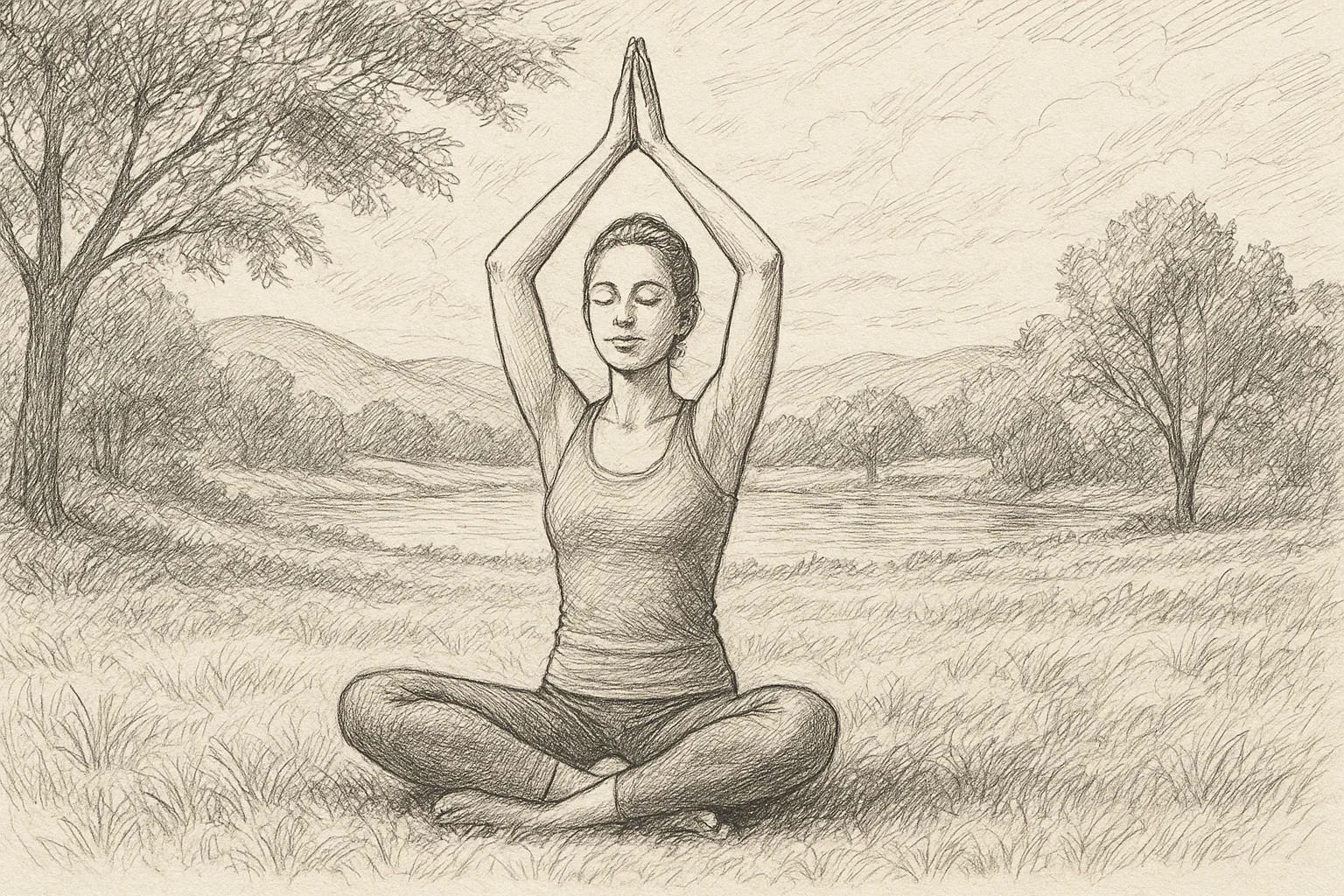
How to Manage Stress Through Movement
Stress is something many of us face daily, and finding natural ways to manage it can make a big difference in our overall wellbeing. One of the most effective and accessible methods to reduce stress is through movement. Whether it’s a brisk walk, gentle stretching, or a bit of dancing in your living room, moving your body can help calm your mind and boost your mood.
Why Movement Helps Manage Stress
When we move, our bodies release chemicals called endorphins, often known as “feel-good” hormones. These help to improve mood and reduce feelings of anxiety. Movement also helps lower levels of the stress hormone cortisol, which can build up when we feel overwhelmed. Beyond the chemical effects, physical activity encourages mindfulness by focusing your attention on your body and breath, providing a break from stressful thoughts.
Practical Steps to Use Movement to Manage Stress
Here are some simple, sustainable habits to incorporate movement into your day to help manage stress effectively:
- Start Small with Gentle ActivitiesBegin with easy movements like stretching, gentle yoga, or slow walking. These can be done indoors or outside and don’t require special equipment. Try setting aside 5–10 minutes a day to move mindfully.
- Choose Activities You EnjoyStress relief is easier when you like what you’re doing. Whether it’s gardening, dancing, cycling, or swimming, find something that feels fun and engaging.
- Set a RoutineConsistency helps build habits. Pick a time of day that works for you, like a morning stretch or an evening walk, and try to stick with it. Even a short, daily movement break can add up to big benefits.
- Include BreathingCombine movement with deep, slow breaths. For example, take a deep breath in as you raise your arms and breathe out as you lower them. This encourages relaxation alongside physical activity.
- Use Movement as a BreakIf work or daily tasks feel overwhelming, take a short movement break. Stand up, stretch, or walk around for a few minutes to reset your mind.
- Try Mindful MovementActivities like yoga, tai chi, or qigong focus on connecting breath with movement. These are excellent for calming the nervous system and reducing stress.
- Stay ConnectedGroup activities like dance classes or walking with friends combine social support with movement, which can enhance stress relief.
Common Myths About Movement and Stress
Understanding what movement can and can’t do helps set realistic expectations. Here are some myths to keep in mind:
- Myth: You need intense workouts to reduce stress.Fact: Even gentle movement like walking or stretching can be effective. The key is regularity and enjoyment, not intensity.
- Myth: Movement only helps if you’re physically fit.Fact: Movement benefits everyone, regardless of fitness level. Start where you are and build gradually.
- Myth: You need special equipment or a gym membership.Fact: Many forms of stress-reducing movement require no equipment—walking, stretching, or dancing at home all work well.
- Myth: Movement instantly removes all stress.Fact: Movement helps manage stress but it’s one part of a healthy lifestyle. It may not eliminate stress immediately but supports gradual improvement.
Tips for Making Movement a Sustainable Stress-Relief Habit
- Set realistic goals. Aim for manageable sessions that fit your schedule—consistency beats duration.
- Listen to your body. Move in ways that feel good, and avoid pushing yourself into discomfort or pain.
- Mix it up. Variety keeps movement interesting; alternate between walking, stretching, or dancing.
- Celebrate progress. Notice how you feel after moving, and remind yourself of the benefits.
- Make it social. Invite a friend or family member to join you, making movement a shared, enjoyable experience.
- Link movement to other habits. For example, stretch after brushing your teeth or walk during phone calls.
Examples of Stress-Reducing Movements You Can Try Today
- Walking in nature: A gentle walk outdoors combines fresh air, natural scenery, and movement.
- Gentle yoga: Focus on slow, flowing poses and deep breathing to relax the mind.
- Dancing to your favourite music: Letting your body move freely can boost mood and reduce tension.
- Stretching breaks: Simple stretches at your desk or home can relieve muscle tightness and clear your mind.
- Tai chi or qigong: These slow, deliberate movements promote mindfulness and calm.
Conclusion
Managing stress through movement is a practical and accessible way to support your mental and physical wellbeing. By incorporating gentle, enjoyable activities into your daily routine, you create sustainable habits that help reduce stress naturally. Remember, the best movement is the one you enjoy and can keep doing regularly. Start small, listen to your body, and celebrate progress. Over time, these simple changes can make a significant difference in how you feel and cope with life’s challenges.
This article provides general educational information only and is not a substitute for professional medical advice. Always consult a qualified healthcare professional for personal guidance.