
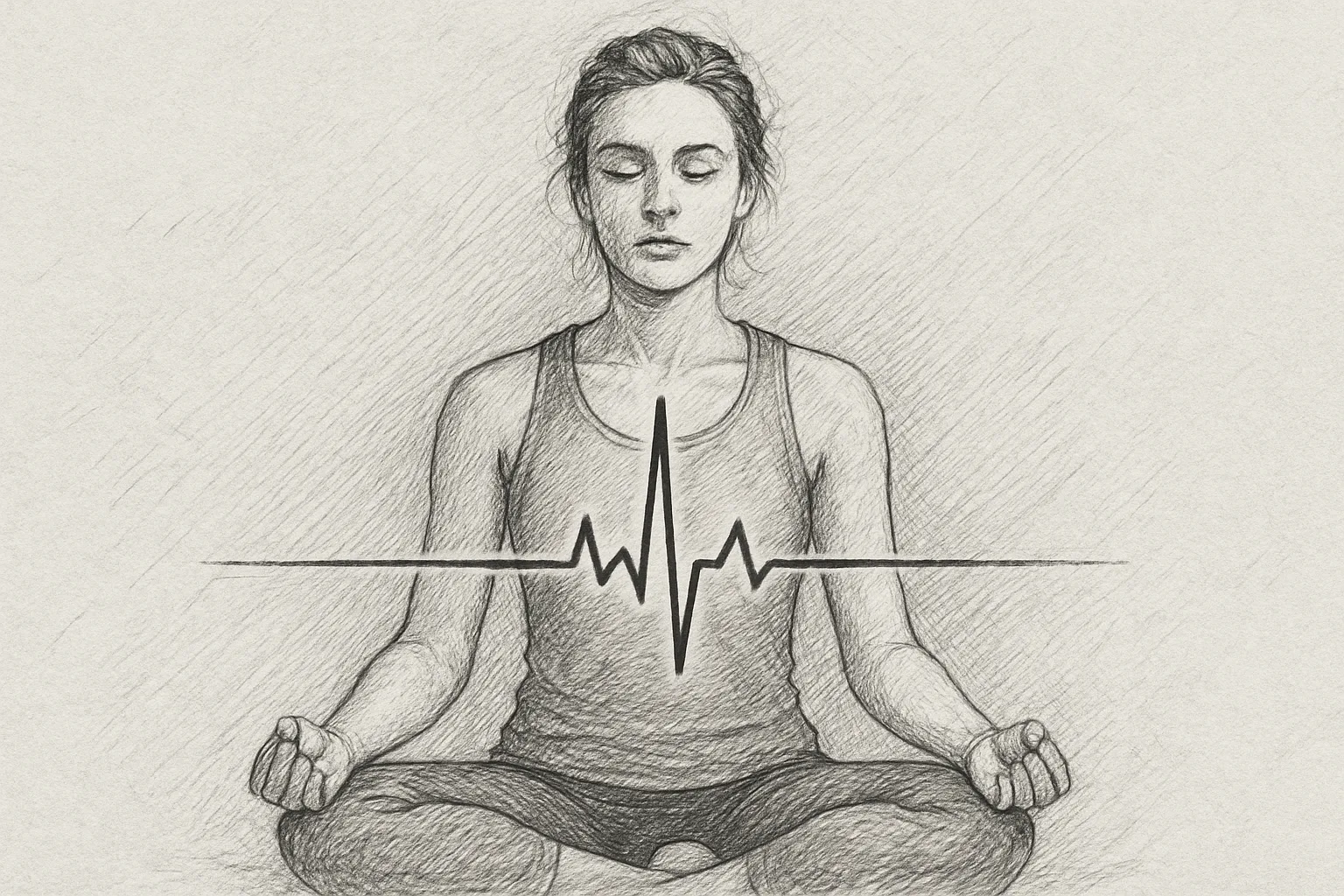
How to Listen to Your Body During Recovery
Recovery is an essential part of any health or fitness journey, yet it’s often overlooked or misunderstood. Listening to your body during recovery means tuning in to its signals and responding with care and patience. This helps you avoid setbacks, reduce stress, and feel more balanced overall. But how exactly can you develop this skill in a practical, sustainable way? Let’s explore some evidence-based tips to help you connect with your body and support your recovery effectively.
Why Listening to Your Body Matters
Your body is constantly communicating with you through sensations like pain, fatigue, tension, and even subtle emotional cues. When you pay attention to these signals, you can make better choices about rest, nutrition, activity, and self-care. Ignoring these messages can lead to overtraining, prolonged recovery times, or even injury.
Recovery isn’t just about physical rest—it’s also about mental and emotional rejuvenation. Recognising when you need a break or a change in routine helps to maintain motivation and prevent burnout.
Step-by-Step Tips to Listen to Your Body During Recovery
- Check In Regularly Take a few moments each day to tune into how you feel physically and mentally. Ask yourself questions like: Are my muscles sore or tight? Am I feeling tired or energetic? Is my mood steady or stressed? Writing down your observations can help identify patterns over time.
- Recognise Different Types of Sensations Not all discomfort means harm. Muscle soreness after exercise (known as delayed onset muscle soreness) is normal, while sharp or persistent pain may be a warning sign. Learning to differentiate between these helps you respond appropriately.
- Respect Your Energy Levels Energy fluctuates naturally depending on sleep, nutrition, stress, and activity. If you feel unusually fatigued, consider prioritising rest or low-impact activities like gentle stretching or walking instead of intense workouts.
- Prioritise Quality Sleep Sleep is a cornerstone of recovery. Create a relaxing bedtime routine, maintain a consistent sleep schedule, and make your sleep environment comfortable and dark. Notice how your body feels after different amounts or quality of sleep to learn what works best for you.
- Eat Mindfully to Support Recovery Nourishing your body with balanced meals rich in whole foods can enhance healing and energy. Pay attention to how different foods affect your digestion, energy, and mood. Hydration is equally important—notice if you feel sluggish or have headaches as signs to drink more water.
- Incorporate Gentle Movement While rest is crucial, staying lightly active can promote circulation and reduce stiffness. Activities like yoga, tai chi, or light walking can be excellent during recovery phases. Listen to how your body responds and adjust intensity as needed.
- Manage Stress Mindfully Chronic stress can hinder recovery. Practise relaxation techniques such as deep breathing, meditation, or spending time in nature. Notice how these practices affect your tension levels and overall wellbeing.
- Set Realistic Goals and Be Patient Recovery is a process that varies for everyone. Avoid comparing yourself to others and focus on gradual progress. Celebrate small wins and remind yourself that setbacks are normal and part of learning about your body.
Common Myths About Listening to Your Body During Recovery
- Myth 1: “No Pain, No Gain” Means Always Pushing Through Discomfort While some discomfort is expected during exercise, persistent pain is a sign to stop and rest. Ignoring pain can worsen injuries and delay recovery.
- Myth 2: You Should Rest Completely Until You Feel 100% Better Total rest isn’t always necessary or beneficial. Engaging in light, enjoyable movement can aid recovery and improve mood.
- Myth 3: Listening to Your Body Is Just About Physical Sensations Emotional and mental signals are also important. Feeling overwhelmed or unmotivated can be your body’s way of asking for a break or a change.
- Myth 4: You Can Always Push Through Fatigue If You’re Determined Enough Fatigue is a crucial signal that your body needs rest. Ignoring it can lead to burnout or illness.
Practical Habits to Cultivate Body Awareness Over Time
- Keep a Recovery Journal: Track your sleep, nutrition, mood, and physical sensations daily. Over time, this helps you identify what supports or hinders your recovery.
- Practice Mindfulness or Meditation: These techniques enhance your ability to notice subtle internal cues without judgement.
- Establish a Consistent Routine: Regular sleep, meals, and activity help your body maintain balance and recover more efficiently.
- Seek Support: Talk to friends, family, or wellness professionals who can encourage your recovery journey and offer perspective.
Conclusion
Learning to listen to your body during recovery is a valuable skill that supports not only physical healing but also emotional and mental wellbeing. By checking in regularly, respecting your energy, managing stress, and adopting sustainable habits, you can create a recovery process that feels empowering and effective. Remember, recovery is personal and unique—be patient and kind to yourself as you navigate it. Your body is your best guide when you learn to truly listen.
This article provides general educational information only and is not a substitute for professional medical advice. Always consult a qualified healthcare professional for personal guidance.