
Series: Finance for Kids
Phase 8: Money Activities & Games — Part 85 of 166
Introduction
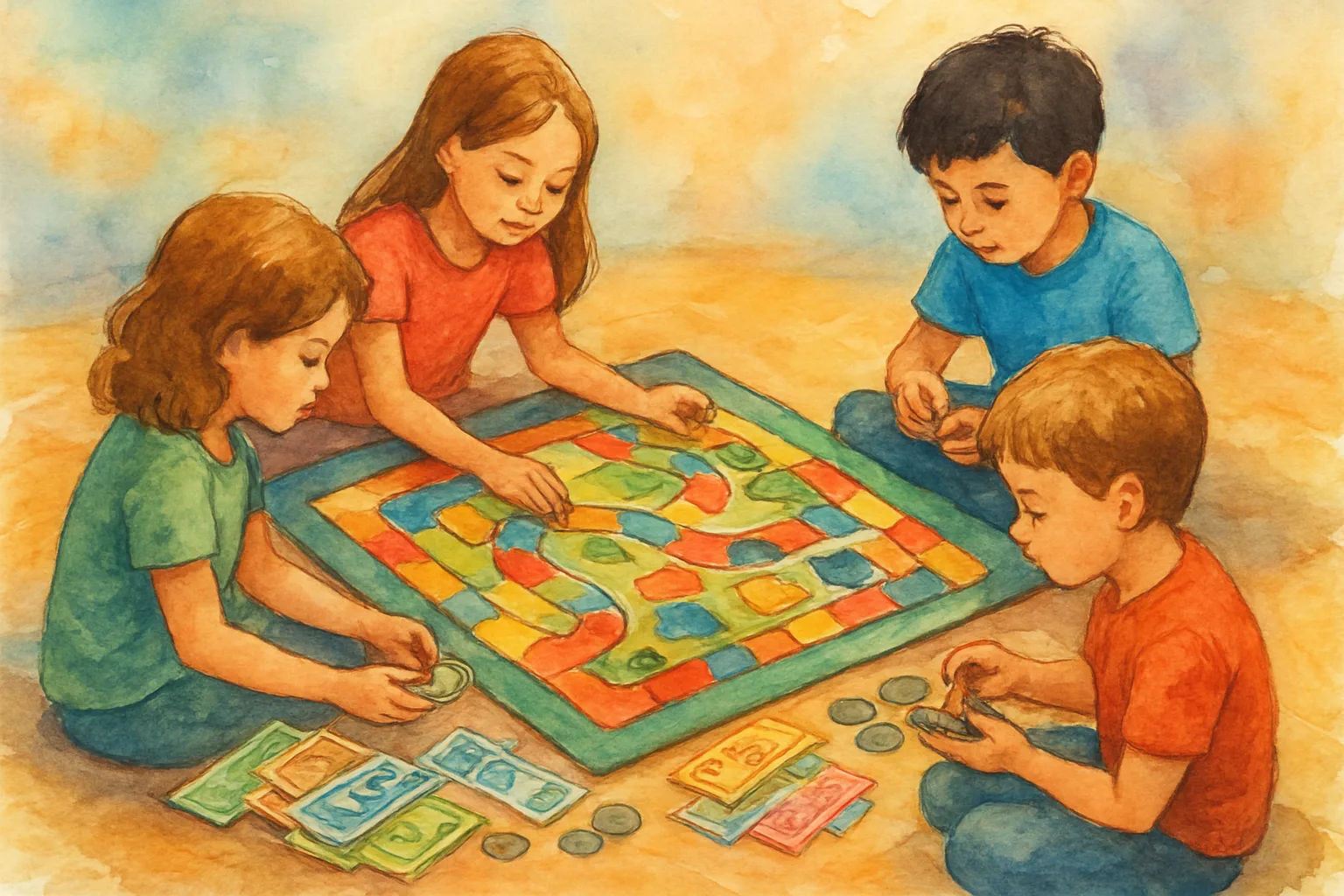
Teaching children about money can be a fun and rewarding experience. Games are an excellent way to introduce financial concepts to kids in an enjoyable way. Whether it’s through board games, card games, or online activities, there are countless options that can help children learn about money management, saving, and spending wisely.
Why Play Money Games?
Games encourage kids to engage with financial topics without feeling overwhelmed. They allow children to explore different scenarios and make decisions in a safe environment. Plus, playing games together can spark discussions and create lasting memories.
Fun Games to Play
1. Monopoly
Monopoly is a classic board game that teaches players about buying properties and managing money. As players collect rent and make trades, they learn about the value of money and the importance of budgeting.
2. The Game of Life
This board game simulates a person’s journey through life, including education, careers, and financial choices. Players make decisions that affect their finances, teaching them about the impact of choices on their financial future.
3. Savings Jar Game
For a simple and hands-on activity, you can create a savings jar game at home. Here’s how to play:
- Get three jars and label them: “Spending”, “Saving”, and “Sharing”.
- Give your child some play money or coins.
- Discuss different scenarios where they might want to spend, save, or share their money.
- Let them decide how to divide their money into the jars.
This game helps children understand the importance of saving and sharing while making spending choices.
4. Online Money Management Games
There are many free online games that teach kids about money management. Websites like Jumpstart and Practical Money Skills offer interactive games that cover topics like budgeting, saving, and earning money. These games often use fun characters and challenges to keep kids engaged.
5. DIY Store Game
Create a mini-store at home using toys, books, or snacks. Here’s how:
- Set up a display of items with price tags.
- Give your child a set amount of play money.
- Let them shop for items, teaching them to make choices based on their budget.
This game helps kids practice making decisions based on their financial limits.
Tips for Making Money Games Fun
- Be patient: Allow children to learn at their own pace.
- Encourage discussion: Ask open-ended questions about their choices.
- Make it relatable: Use real-life examples to explain concepts.
- Celebrate achievements: Acknowledge their successes to motivate them.
Myths About Teaching Kids Money
There are some common myths about teaching children about money that can prevent effective learning:
- Myth 1: It’s too early to teach kids about money. Fact: Kids can learn basic concepts at a young age!
- Myth 2: Money is a boring topic. Fact: Money can be fun and engaging through games.
- Myth 3: Kids will learn about money naturally. Fact: Active teaching helps them grasp important lessons.
Conclusion
Playing games is a wonderful way to teach kids about money. Through fun activities, children can learn valuable lessons about saving, spending, and making choices. Remember that the goal is to make learning enjoyable, so choose games that spark interest and encourage discussions. Happy playing!
This article provides general educational information only and is not financial advice. Always seek guidance from a qualified professional for personal financial decisions.
Previous: How to Teach Kids to Avoid Being Tricked by Marketing
Next: Board Games That Help Children Learn Financial Skills