
How Much Protein Do You Need on Rest Days? Understanding Your Recovery Needs
Protein is well known as an essential nutrient for muscle growth and repair, especially if you’re active or working out regularly. But what about the days when you’re not exercising? Many people wonder how much protein they actually need on rest days. Should you eat the same amount as on training days, less, or more? This article explores the role of protein on rest days, practical advice for your diet, and easy steps to support recovery without overthinking it.
Why Protein Matters Even on Rest Days
When you exercise, especially strength training or intense cardio, your muscles undergo tiny tears. Protein helps repair this muscle tissue, which is key to building strength and improving fitness. But muscle repair and growth don’t just happen during your workout — they happen mostly during rest and recovery. That means your body needs a steady supply of protein even when you’re not moving much.
On rest days, your muscles are busy recovering. Without enough protein, this process can slow down, potentially affecting your progress and how you feel. So, maintaining adequate protein intake is important for muscle maintenance, recovery, and overall wellbeing.
How Much Protein Do You Actually Need on Rest Days?
The amount of protein you need depends on several factors like your age, weight, activity level, and fitness goals. But generally speaking, most adults benefit from a daily protein intake of around 1.2 to 2.0 grams per kilogram of body weight, whether it’s a training or rest day.
- For general fitness and maintenance: Aim for about 1.2–1.4 g/kg on both training and rest days.
- For muscle gain: Keep protein intake consistent around 1.6–2.0 g/kg daily to support recovery and growth.
- For weight loss or fat loss: Higher protein intake (closer to 2.0 g/kg) can help preserve muscle mass during calorie restriction.
Because your body is still repairing muscle tissue on rest days, drastically reducing protein isn’t recommended. Instead, aim for a similar protein intake to your training days, but you might find you naturally eat slightly less if your overall calorie needs decrease.
Comparing Common Protein Sources: Whey, Casein, Soy, and Pea
Protein quality matters too. Different protein sources digest and absorb at different rates, which can influence muscle recovery:
- Whey Protein: A fast-digesting protein often used post-workout. It’s rich in essential amino acids, especially leucine, which is crucial for muscle synthesis.
- Casein Protein: Digests slowly, providing a steady release of amino acids. Great for sustained recovery, often taken before sleep or on rest days.
- Soy Protein: A plant-based option that is moderately fast-digesting and contains all essential amino acids. Suitable for vegetarians and vegans.
- Pea Protein: Another plant-based protein, slightly slower digesting than soy, rich in branch-chained amino acids (BCAAs), and good for those with allergies.
On rest days, incorporating a mix of these proteins can support ongoing muscle repair. For example, you might choose casein in the evening for slow release overnight and whey or plant-based proteins during the day.
Practical Tips for Managing Protein Intake on Rest Days
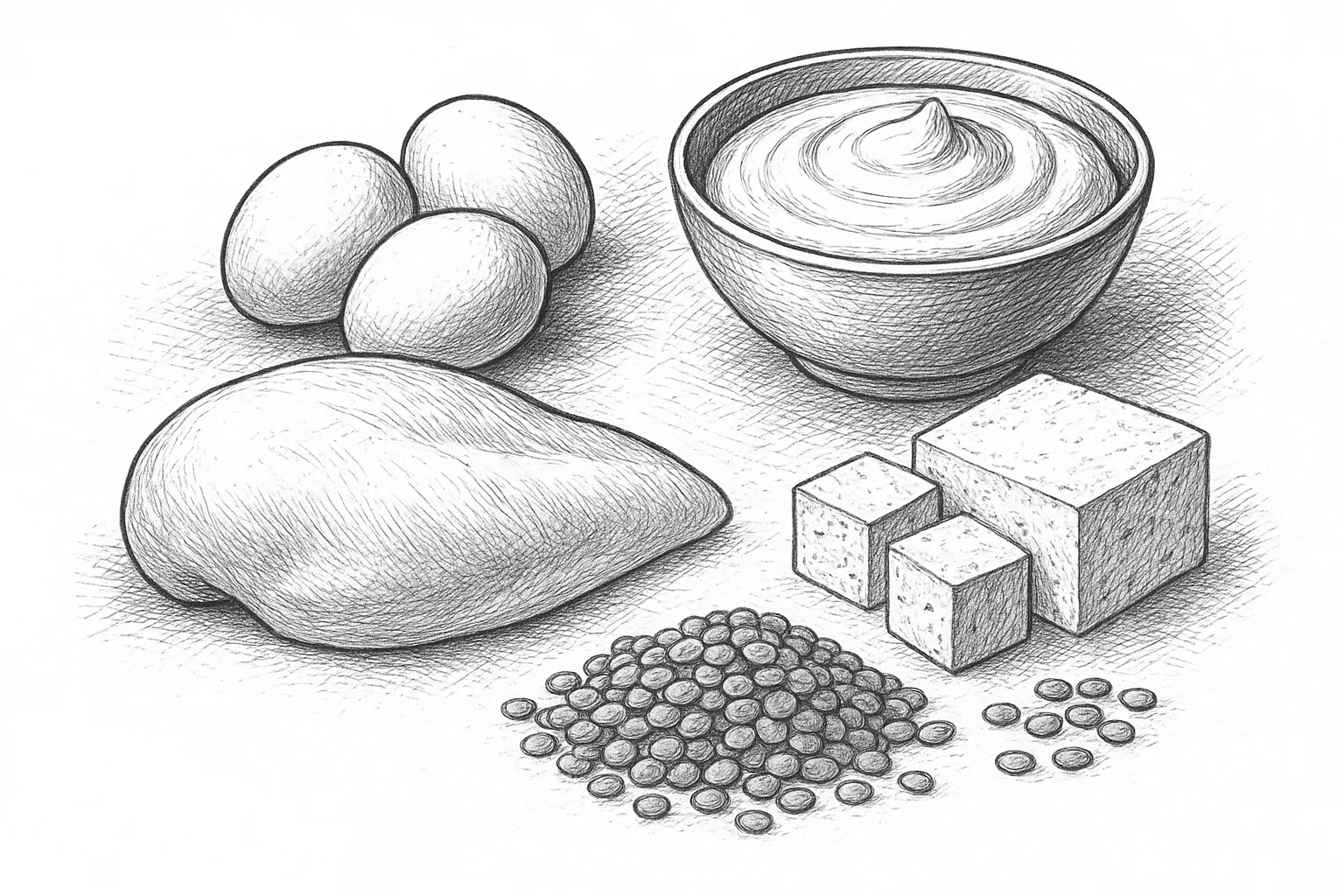
- Keep it balanced: Include a source of protein at each meal, such as lean meats, eggs, dairy, legumes, or plant-based alternatives.
- Listen to your hunger: Rest days often mean lower calorie needs, so eat until satisfied but avoid undereating protein.
- Plan for variety: Rotate between different protein sources to get a range of amino acids and nutrients.
- Consider timing: While total daily protein matters most, spreading intake evenly across meals can benefit muscle repair.
- Use protein-rich snacks: Nuts, seeds, Greek yoghurt, or protein shakes can help meet your needs without large meals.
- Stay hydrated and rest well: Recovery isn’t just about protein; sleep and hydration are vital too.
Common Myths About Protein on Rest Days
- Myth: You don’t need protein on rest days. Reality: Your body continues to repair muscle, so protein remains important every day.
- Myth: More protein always means better recovery. Reality: Excess protein is not stored as muscle and can strain kidneys over time if too high; aim for balanced intake.
- Myth: Only animal proteins are effective. Reality: Plant proteins like soy and pea can be just as beneficial when consumed in sufficient amounts.
- Myth: Protein timing is everything. Reality: Total daily intake is more important than precise timing, especially on rest days.
Conclusion
On rest days, your body still requires protein to support muscle repair and overall recovery. Maintaining a consistent protein intake close to your training days—typically between 1.2 to 2.0 grams per kilogram of body weight—is a sustainable and effective approach. Incorporate a variety of protein sources like whey, casein, soy, and pea to enjoy different benefits. Focus on balanced meals, listen to your hunger cues, and pair protein with good hydration and rest. This way, you’ll help your body recover well, stay strong, and be ready for your next workout without unnecessary stress.
This article provides general educational information only and is not a substitute for professional medical advice. Always consult a qualified healthcare professional for personal guidance.